









Pope Leo XIV leads a global Rosary for peace, urging daily commitment, compassion, and listening to those suffering from war and injustice worldwide.
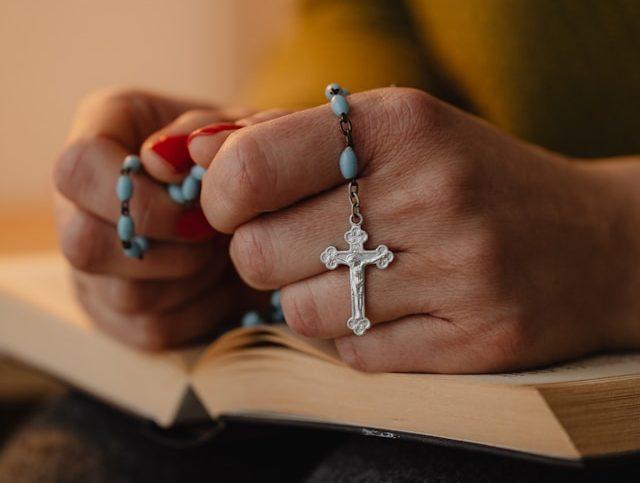
Newsroom (01/06/2026 Gaudium Press ) Closing the Marian month with a powerful spiritual gesture, Pope Leo XIV led the recitation of the Rosary at the Grotto of Lourdes in the Vatican Gardens, joining voices with Catholic faithful gathered at more than 200 Marian shrines worldwide. The event, marked by reflection and collective prayer, focused on peace as both a divine gift and a human responsibility.
Centered on the Joyful Mysteries, the Pope dedicated the prayer to those living amid war, violence, and displacement. Participants across continents—including communities in Lebanon, Nicaragua, Ukraine, Tanzania, and Syria—contributed by proclaiming Gospel readings, underscoring the universal dimension of the appeal.
A Message Rooted in Hope
Opening his reflection with Psalm 85:8, Pope Leo XIV emphasized a message of hope in troubled times: “He will speak peace to his people.” He described this message as particularly urgent in the face of ongoing global conflict and instability.
The Pope encouraged believers to “dispose their hearts” to hear God’s word. Through prayer, he said, individuals can better understand the direction of history and perceive God’s guiding presence even amid suffering and uncertainty.
Mary as Model of Listening and Faith
Referencing the Virgin Mary, the Pope highlighted her as the exemplar of faithful listening and obedience. In contemplating the Rosary through Mary’s eyes, believers encounter Jesus Christ as the ultimate “Word of peace” offered by God.
This perspective, he noted, reveals a divine constancy: even when humanity falters or turns away, God continues to seek reconciliation. Mary’s role serves as both inspiration and invitation—to listen, to trust, and to respond.
Peace as Commitment, Not Concept
Central to the Pope’s message was a clear assertion: peace is not theoretical or abstract. It is neither an illusion nor a strategic pursuit driven by self-interest. Instead, peace requires a sincere and continuous personal commitment.
He described peace as rooted in justice and love, forming the harmony that sustains families, societies, and nations. In a world marked by conflict, he stressed, peace begins by acknowledging the suffering of others—especially the most vulnerable.
“Innocent children, anguished parents, abused prisoners, refugees,” he said, all share a single plea: peace. Listening to their cry, the Pope insisted, is the first step toward making peace possible.
The Face of Peace: Jesus Christ
Pope Leo XIV identified peace as a divine gift embodied in Jesus Christ. Through humility and love, Christ breaks down barriers and restores relationships. This theological vision links spiritual renewal directly to social transformation.
When individuals live according to Christ’s teachings, he explained, the Holy Spirit enables what might otherwise seem impossible. Conversely, distancing from God leads to indifference toward others’ suffering—a condition that perpetuates conflict.
From Prayer to Action
The Pope underscored that prayer must translate into action. “Every time we return to the Lord,” he said, “his peace becomes our responsibility.” This responsibility extends to everyday choices, from interpersonal behavior to public discourse.
He called for an end to violence in all forms, including “the violence of words,” particularly in digital spaces. True peace, he explained, begins in the heart—expressed through reconciliation, gentleness, and wisdom.
Even small acts, such as refraining from verbal hostility or fostering understanding, contribute to a broader culture of peace. These actions, though seemingly minor, carry transformative potential.
A Call to Be Peacemakers
In his closing remarks, Pope Leo XIV issued a direct appeal: God is searching for peacemakers. Invoking Mary once more, he asked the faithful to respond with a daily “Here I am,” not only in prayer but in concrete deeds.
The global Rosary event, attended by vast numbers across continents, symbolized a shared commitment among believers. It reflected a collective acknowledgment that peace is both urgently needed and collectively achievable.
As the Marian month concluded, the Pope’s message resonated beyond the Vatican Gardens—calling individuals, communities, and nations to embrace peace not as an ideal, but as a lived and daily mission.
- Raju Hasmukh with files from Vatican News
Related Images: