





















Aid theft allegations deepen Venezuela’s humanitarian crisis as thousands remain displaced, while Caritas and donors push relief efforts.
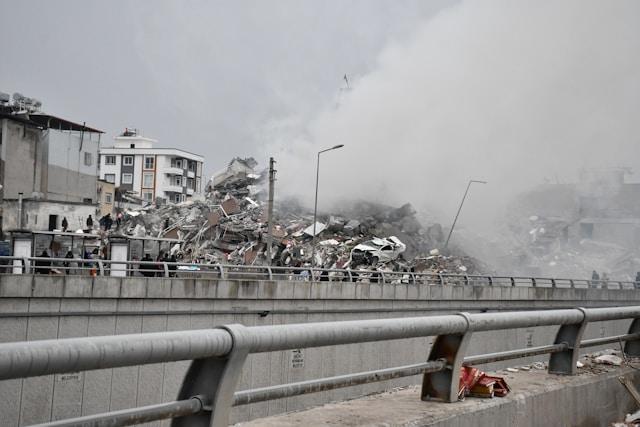
Newsroom (10/07/2026 Gaudium Press ) The human cost of Venezuela’s latest tragedy is measured not only in damaged infrastructure and rising casualty figures, but in the lives of thousands forced to leave everything behind and begin again in unfamiliar places. Among them is 47-year-old Marysabel Geraldo Barrientos, who lost her home in Opp30, La Guaira, and now finds herself 656 kilometers away in the western state of Zulia.
Despite losing virtually everything, Marysabel remains determined to preserve her independence.
“At least I survived,” she says. Rather than relying on ongoing assistance, she has asked local authorities for a sewing machine instead of aid packages. “Bring me a sewing machine. And I’ll get food myself.”
Her story reflects the resilience—and hardship—facing thousands of Venezuelans displaced by the disaster. Relocated to Lagunillas, a town rich in oil resources but marked by poverty and neglect, Marysabel describes the isolation of starting over in a place where she knows no one. Mobility is also a challenge, she notes, especially without access to a vehicle.
Official estimates indicate that at least 7,000 people have left La Guaira and resettled in other parts of the country, although the true number may be significantly higher. Government sources warn that previous disasters produced similar migration patterns, often resulting in deeper economic and social difficulties for those forced to relocate inland.
Meanwhile, more than 10,700 people remain housed in temporary shelters and tent cities across the capital region, including facilities such as the Polideportivo La Guaira. Despite ongoing support from local authorities and United Nations agencies, significant challenges persist in meeting the needs of affected communities.
Accusations of Aid Diversion
As relief operations continue, allegations of theft and diversion of humanitarian aid have become a major source of controversy.
The complaints are notable because they have emerged from figures traditionally aligned with the government. Valentín Santana, leader of the armed collective La Piedrita in Caracas’ pro-government “23 de Enero” neighborhood, publicly accused individuals of stealing food and medicine intended for victims.
“The government makes sacrifices,” Santana wrote on social media. “Then there are the thieves, who take advantage of it.”
The Sergio Rodríguez National Collective Front echoed those concerns and formally appealed to Venezuela’s Military Intelligence and Counterintelligence Directorate (DGCIM).
The agency responded swiftly, emphasizing that exploiting a disaster for personal gain constitutes a criminal offense. Citing Article 455, Section 2, of the Venezuelan Penal Code, authorities warned that theft, looting, or diversion of humanitarian assistance during emergencies carries prison sentences ranging from four to eight years.
In a public statement, counterintelligence officials reminded public servants and security personnel that natural disasters and public emergencies cannot be treated as opportunities for personal enrichment.
Public Anger and High-Profile Cases
Nevertheless, reports of misconduct have continued to fuel public frustration.
One of the most widely discussed incidents involves retired Colonel Julio Uzcátegui, who was photographed by neighbors unloading humanitarian aid at his residence in Valencia’s Magnola building. The images quickly circulated and intensified public debate over accountability.
Uzcátegui defended his actions by claiming that a general had given him the supplies and that they otherwise “would have been lost.” Rather than easing concerns, the explanation generated further criticism and renewed questions about oversight mechanisms within aid distribution networks.
The controversy has underscored longstanding concerns regarding transparency during large-scale humanitarian operations, particularly when substantial international assistance is involved.
Tracking Hundreds of Millions in Aid
In response, the anti-corruption organization Transparencia Venezuela has launched an online monitoring platform, rutadeayuda.org, designed to register and track humanitarian assistance entering the country.
The organization is demanding detailed reporting from authorities and argues that donors deserve complete visibility into how resources are used.
“Donors have the right to know where their funds end up,” said Mercedes de Freitas, the NGO’s director. “We’re talking about aid for the country’s reconstruction. That money must be respected, because it is being used for a good purpose.”
According to the platform’s data, aid has arrived from 37 countries, 68 organizations, 10 companies, and 10 individual donors. The total value registered so far stands at approximately $694 million.
The figures illustrate the scale of the international response as Venezuela confronts a disaster that has reportedly affected thousands, with about 3,900 victims and more than 16,000 injured.
Caritas Steps Up Relief Efforts
Among the organizations playing a central role in the humanitarian response is Caritas Venezuela, which has received approximately 15,000 tons of aid supplies.
More than half of those resources have already been distributed to affected populations, making Caritas one of the largest and most active relief organizations currently operating in the country.
Its efforts have become increasingly important as thousands remain displaced and many communities continue to depend on external assistance for food, medical supplies, and basic necessities.
International Politics and Reconstruction Funding
The humanitarian response is unfolding alongside a broader geopolitical debate over reconstruction funding and frozen Venezuelan assets.
The United States, through its Chargé d’Affaires in Caracas, John Barrett, has praised what it described as the government’s transparency in handling aid. U.S. President Donald Trump also expressed support for reconstruction efforts, particularly regarding the country’s oil infrastructure, while describing opposition leader María Corina Machado as an “exceptional” figure.
According to the information provided, the United States has allocated $300 billion to Caracas, while Venezuelan oil revenues protected in New York are estimated at $8 billion. Additional Venezuelan assets remain frozen in various countries.
Foreign Minister Yván Gil has called for the return of those funds, condemning U.S. and European sanctions as illegal. Among the disputed assets are approximately 400,000 tons of gold bars, valued at $1.9 billion, currently held by the Bank of England.
A Long Road Ahead
For people like Marysabel Geraldo Barrientos, however, debates over billions of dollars and international diplomacy remain distant concerns. The immediate challenge is rebuilding a life interrupted by catastrophe.
Her request for a sewing machine instead of charity symbolizes a desire shared by many survivors: not just to receive assistance, but to regain the ability to provide for themselves.
As allegations of aid theft intensify and demands for transparency grow, the success of Venezuela’s recovery may depend not only on the amount of aid delivered, but also on whether it reaches those who need it most.
- Raju Hasmukh with files from Avvenire
Related Images: