









The SSPX consecrations in Écône expose a deep rupture with Rome, despite claims of fidelity and Vatican hopes for future dialogue.
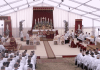
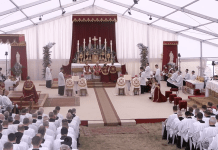
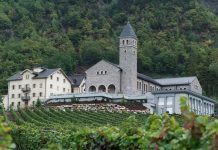
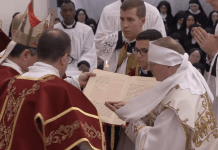
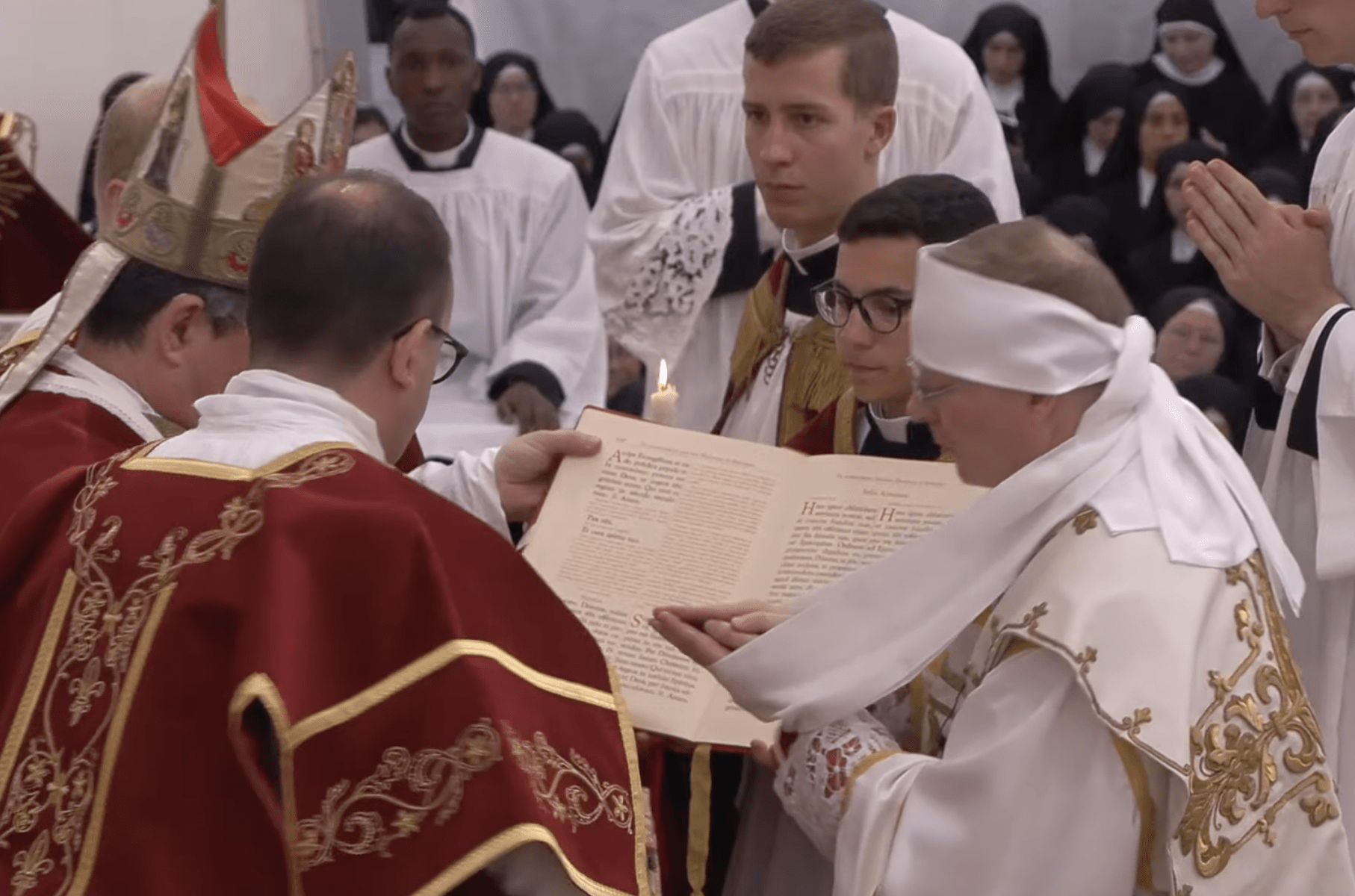
Newsroom (01/07/2026 Gaudium Press ) The episcopal consecrations carried out by the Priestly Fraternity of Saint Pius X in Écône were always going to be presented as an act of necessity. That framing was delivered clearly in the homily of Fr. Davide Pagliarani, who insisted the moment was not a rupture but a continuation of the Church’s enduring faith.
Yet the facts surrounding the event tell a more complicated story. The consecrations took place without a pontifical mandate, despite explicit warnings from Rome and a final appeal from Pope Leo XIV not to “tear” the unity of the Church. In proceeding regardless, the SSPX has not simply defended a theological position—it has chosen separation while denying that separation exists.
Calling this a “false dilemma,” as Pagliarani did, does not make the dilemma disappear.
The Vatican’s Unusual Patience
What stands out in the immediate aftermath is not only the act itself, but Rome’s response. Cardinal Víctor Manuel Fernández confirmed that the SSPX declined a Vatican proposal for dialogue. Under ordinary circumstances, that would mark a definitive breakdown.
And yet, the Vatican has resisted closing the door. Fernández’s insistence that “we hope that in the future… it may be possible” signals a deliberate refusal to treat the situation as beyond repair. It is a posture of restraint, perhaps even of strategic patience.
EXCLUSIVE JUST IN: Cardinal Fernández tells this morning me re Vatican & SSPX:
“They didn’t consider useful the dialogue we’ve proposed.
But we hope in future, thanks to the action of the Holy Spirit, it’ll be possible.
I’m sure, but we’ll need time.” pic.twitter.com/2MHhuIUQCX— Michael Haynes 🇻🇦 (@MLJHaynes) July 1, 2026
This contrast is striking: one side acts decisively to secure its future through unilateral consecrations; the other absorbs the blow while still speaking the language of eventual reconciliation.
Competing Languages of the Church
At the core of this conflict is not merely authority, but vision. Pagliarani articulated a sharp critique of what he sees as the Church’s current priorities, contrasting the “language of faith” with what he described as a language of “inclusion, listening, dialogue, and accompaniment.”
His argument is structured around order: first faith, then life, then accompaniment. In his view, reversing that order risks emptying pastoral care of its substance.
But this critique raises its own question. If the Church is reduced to a single interpretive framework of “faith” as defined by one group, what remains of communion? The insistence on clarity can, paradoxically, produce fragmentation when it dismisses other legitimate dimensions of ecclesial life.
Continuity or Parallelism?
Pagliarani’s most forceful claim is that the consecrations represent continuity, not rupture. He rejects outright the idea of creating a “parallel Church,” emphasizing instead a desire to preserve what has been handed down.
However, actions carry theological weight. Consecrating bishops without papal mandate—while asserting loyalty to the Pope—creates a contradiction that cannot be resolved by rhetoric alone. The more the SSPX insists it remains fully within the Church while acting independently of its governing authority, the more it risks embodying precisely the parallel structure it denies.
Prudence, as invoked in the decision to consecrate four bishops, may explain the timing. It does not resolve the ecclesial implications.
The Cost of Certainty
The homily places heavy emphasis on sacrifice, invoking martyrs, confessors, and figures such as Archbishop Marcel Lefebvre. The message is clear: fidelity requires a willingness to endure suffering, even isolation.
There is truth in that tradition. But history also shows that appeals to fidelity can justify enduring division as easily as they justify heroic witness. The line between principled resistance and entrenched separation is not always drawn by intention, but by consequence.
A Church Still Waiting
Perhaps the most revealing aspect of this moment is not what was done in Écône, but what remains unresolved afterward. The SSPX sees a beginning—a “point of departure.” The Vatican sees a wound, but not a closed one.
Between these two perspectives lies a fragile and uncertain space. It is sustained, for now, by Rome’s willingness to hope for dialogue even after it has been rejected.
Whether that hope proves realistic will depend on more than time. It will require a shared willingness to confront the central contradiction now exposed: that unity cannot be preserved by acts that visibly break it, no matter how sincerely they are justified in the name of faith.
- Raju Hasmukh
Related Images: