










Cardinal Antonio María Rouco Varela reflects on Pope Leo XIV, synodality, liturgical tensions, Germany’s Synodal Path, and the future of the Church.
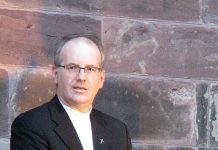
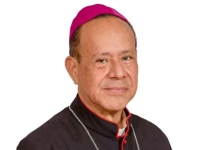
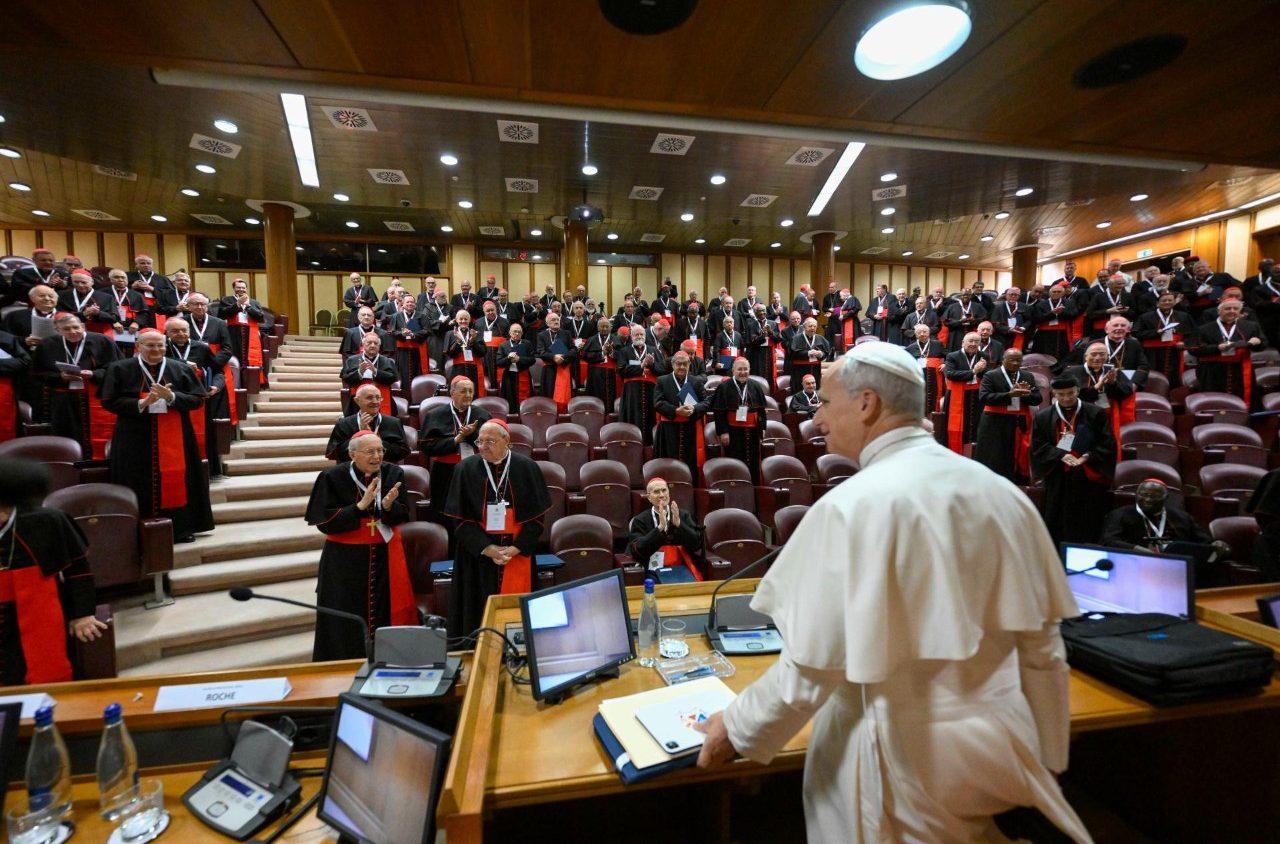
Newsroom (08/07/2026 Gaudium Press ) Antonio María Rouco Varela, Archbishop Emeritus of Madrid and one of the last prominent figures of the generation closely associated with St. John Paul II, remains an influential voice within the Catholic Church. The nearly ninety-year-old cardinal, known for his leadership of the Spanish Episcopal Conference during intense debates over family and life issues in Spain, recently participated in the Extraordinary Consistory convened by Pope Leo XIV.
Following the recent Extraordinary Consistory in Rome, in which he played an active role, Cardinal Rouco in this wide-ranging interview, Cardinal Rouco reflects on the Pope’s leadership style, the significance of his recent visit to Spain, the future of synodality, the controversy surrounding Germany’s Synodal Path, ongoing debates over the ancient liturgy, and the challenges facing Catholicism in Europe.
Leo XIV’s Confidence in the College of Cardinals
One of the themes emerging from the recent Consistory was Pope Leo XIV’s willingness to convene cardinals more frequently than has often been the case in recent decades. Rouco described this as an encouraging and significant development.
According to the cardinal, extraordinary consistories have historically been relatively uncommon. While St. John Paul II increased their frequency during his pontificate, Rouco sees Leo XIV’s approach as a clear indication of confidence in the College of Cardinals and a desire to involve its members more closely in the governance and mission of the universal Church.
For Rouco, the Pope’s decision reflects both trust and concern for maintaining an active relationship with the cardinals who assist him in shepherding the Church.
Spain’s Welcome for the Pope
Rouco was not surprised by the enthusiastic response to Leo XIV’s visit to Spain. He described the reaction as evidence of a widespread desire among Spanish Catholics to see and hear the Pope in person, noting that the country had not experienced such a visit since 2011.
Among the most memorable moments of the trip, Rouco highlighted the Pope’s address before Parliament. He characterized the speech as an important expression of the Church’s social teaching, particularly regarding the relationship between the state, human dignity, and the moral foundations of society.
The cardinal argued that the message transcended partisan politics, presenting instead an ethical vision of the state rooted in lessons learned from the devastation of the Second World War. Nevertheless, he acknowledged that the Pope addressed moral issues that remain deeply contested in contemporary Spain, including euthanasia, abortion, and legislation affecting the family.
Rouco viewed the speech as a clear defense of life and the family, and he pointed to the lengthy standing ovation that followed as evidence of its impact on those present.
Synodality as a Spiritual Reality
Discussion surrounding synodality once again occupied a significant place during the Consistory. While the concept has generated extensive debate throughout the Church, Rouco emphasized that Pope Leo XIV presented synodality primarily as a spiritual reality rather than an institutional blueprint.
In his view, synodality should be understood as a style of ecclesial life marked by charity, mutual listening, and communion. The cardinal cautioned, however, against assuming that spiritual principles automatically translate into constitutional or canonical reforms.
Rouco also addressed the contentious issue of lay participation and voting rights within Synods. He stressed that the Synod of Bishops, established in the wake of the Second Vatican Council and implemented by Pope Paul VI, has a well-defined canonical history. While laypeople have long participated in synodal assemblies, he noted that their role historically differed from that of bishops.
Drawing on his own experience in synodal leadership, Rouco argued that the future development of synodal institutions should remain faithful to their established purpose and structure.
Concerns About Germany’s Synodal Path
Rouco expressed particular concern when discussing developments within the German Church. He distinguished the broader concept of synodality from Germany’s Synodal Path, which has provoked extensive debate within Catholicism.
The cardinal suggested that some of the structures proposed in Germany raise serious canonical and theological questions. More importantly, he believes that the process touches upon matters that concern essential aspects of Catholic faith and doctrine.
While acknowledging the importance of dialogue, Rouco maintained that no ecclesial body can legitimately redefine the nature of the Church or its divinely established constitution. He emphasized that prayer remains essential during periods of tension and uncertainty, warning against the temptation to believe that human institutions alone can determine the future direction of the Church.
His reservations extended to proposals for a Synodal Committee composed of bishops and laypeople operating on an equal footing. According to Rouco, informal discussion and consultation are entirely legitimate, but any body claiming governing authority within the Church would present serious problems if it departed from established ecclesial structures.
The Liturgical Question
Another area of ongoing discussion concerns tensions surrounding the liturgy and the place of the ancient Roman rite within the Church.
Rouco argued that the liturgical reforms of the Second Vatican Council must be implemented faithfully and celebrated according to the Council’s intentions. At the same time, he called for greater understanding toward Catholics attached to the older liturgical forms.
Rather than viewing the issue as a conflict between opposing camps, the cardinal suggested that fidelity to Vatican II and respect for legitimate diversity within the Church should guide future decisions. He indicated that excessive regulation may not be the most effective solution to existing tensions.
Reflecting on Benedict XVI’s apostolic letter Summorum Pontificum, Rouco offered a positive assessment, describing it as a broad and constructive measure. He noted that the traditional liturgy continues to be celebrated in Madrid and stressed that those who attend it should approach it with sincerity and devotion rather than ideological zeal.
The Future of Catholicism in Europe
When considering the Church’s future, Rouco identified Europe’s crisis of faith as his principal concern. In his assessment, declining religious belief has profound consequences not only for the Church but also for wider society.
He linked this crisis to growing challenges facing the family and the protection of human life, arguing that contemporary culture increasingly distances itself from principles once rooted in Christian belief.
Yet despite these concerns, Rouco remains fundamentally hopeful. He pointed to large-scale events such as World Youth Day as evidence that the Church continues to inspire and attract young people across the world on a scale few other institutions can match.
For the veteran cardinal, this combination of realism and hope defines the present moment. The Church faces serious challenges, particularly in Europe, but it also possesses enduring spiritual resources that continue to resonate with millions. In Rouco’s view, the answer to the Church’s future lies not primarily in new structures or organizational models, but in a renewed commitment to faith, prayer, and the Gospel itself.
- Raju Hasmukh with files from La Nuova Bussola Quotidiana
Related Images: