















Peruvian obstetricians meet the Pope, reaffirming their mission to protect life while addressing maternal health challenges in rural regions.
Newsroom (24/06/2026 Gaudium Press ) A delegation of Peruvian obstetricians held an emotional encounter with the Pope on Wednesday following the General Audience, receiving a message of encouragement to persist in their mission of safeguarding life—particularly that of mothers, unborn children, and families.
“We spent a lot of time with him. He told us that we must persevere, that the important thing is the defense of life,” said Elisabeth Yalán, one of the participants, describing the exchange as deeply personal and attentive. The group sought the Pope’s blessing to continue their work, which they describe as both medical and human-centered.
A bicentennial profession rooted in service
The delegation consisted of eight teaching professionals from the National University of San Marcos in Lima and the Jorge Basadre Grohmann National University in Tacna. They represent a broader association of approximately 45,000 obstetricians across Peru, an organization that will mark its 200th anniversary on October 10.
The Pope, adopting a lighthearted tone during the meeting, joked about the milestone. “It doesn’t seem like anyone here is 200 years old,” he said in Spanish, prompting laughter. Behind the humor, however, was clear recognition of the profession’s enduring role.
Today’s obstetricians in Peru trace their origins to French midwife Benita Cadeau de Fesel, who arrived in the country in 1826 and is regarded as a pioneer of modern obstetrics. At the time, childbirth posed a dire risk, ranking among the leading causes of death for women.
While progress has been significant over two centuries, maternal health challenges remain. According to 2023 World Bank data, Peru still records 51 maternal deaths per 100,000 live births, underscoring ongoing disparities in access to care.
Barriers in remote and rural regions
The difficulties are particularly acute in remote regions, where geography and infrastructure significantly limit access to medical services. In parts of the Amazon jungle, reaching a health facility can require a six-hour journey across the river, explained Mirian Solís Rojas, an obstetrician with 36 years of experience.
In mountainous areas surrounding Lima, the challenges are similarly pronounced. “They live in the hills. Our ambulance can’t reach those hills,” said Bertha Sandoval, describing how community health workers often construct improvised stretchers to transport expectant mothers to accessible points.
Cultural barriers further complicate care delivery. In some indigenous communities, health personnel must first receive permission from tribal or community leaders before providing treatment. This process can delay intervention in emergencies. Additionally, many women rely on untrained midwives, a practice that can prove fatal in critical moments—particularly due to postpartum hemorrhage, identified as the period of highest risk.
Integrating tradition and modern medicine
Faced with these realities, Peruvian obstetricians have increasingly turned to intercultural approaches. Initiatives such as “waiting homes” aim to bridge gaps in access by relocating women close to maternity centers in the final weeks of pregnancy, while respecting local customs.
Pilar Ordóñez highlighted the importance of these facilities, especially in the high Andes, where travel conditions can be unpredictable. “Women who are close to their due date… are transferred to homes near the maternity center, respecting their customs,” she noted.
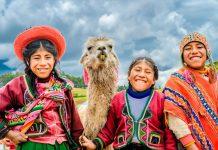
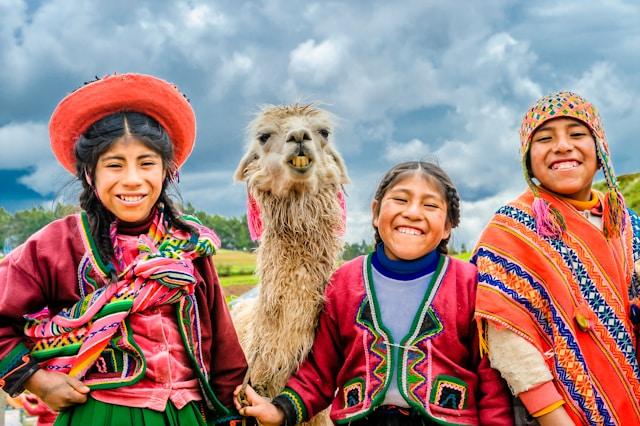
This approach reflects a broader shift in training and practice. Jacqueline Flores, another participant, emphasized the value of indigenous perspectives, describing them as marked by “a very noble vision, enormous strength and great sensitivity.” In these communities, she explained, motherhood is considered sacred—a concept modern practitioners aim to preserve and integrate.
Flores recounted her own work in remote regions without electricity or running water, where intercultural understanding proved essential. By combining clinical knowledge with local traditions, she was able to improve outcomes, including preventing complications such as uterine atony.
Training future generations differently
Recognizing gaps in conventional medical education, Peruvian obstetricians have developed innovative training programs. For the past four years, students have been taken to a community in Yanahuara, Cusco, where they learn culturally appropriate care directly from local midwives.
Each year, roughly 50 students undertake a journey of more than 20 hours by road from Tacna to participate. The program emphasizes not only technical skills but also a holistic understanding of patient care—integrating cultural respect, empathy, and community engagement.
“We presented experiences that we are implementing and incorporating the wisdom of the Andean worldview,” the delegation noted, referring to their participation in the 34th International Confederation of Midwives Congress in Lisbon, held under the theme “One Million More Midwives Today.”
A profession shaped by empathy and resilience
Beyond technical expertise, the obstetricians stress the human dimension of their work. “We are always ready to assist women, listen to them, and help them holistically,” Yalán said. “We accompany them throughout their lives, building empathy and gaining their trust so we can better support them.”
The role of the obstetrician in Peru today extends far beyond childbirth. It encompasses sexual and reproductive health, prevention, education, and participation in high-risk care and research.
As the profession approaches its bicentennial, the meeting with the Pope served not only as recognition but also as reinforcement of a mission that blends medical science, cultural sensitivity, and a commitment to life—particularly in regions where healthcare remains hardest to reach.
- Raju Hasmukh with files from ACI Prensa
Related Images: