

















Twin earthquakes in Venezuela have killed 4,829 people, injured thousands and displaced tens of thousands as aid agencies intensify relief efforts.
Newsroom (17/07/2026 Gaudium Press ) Venezuela is grappling with one of the deadliest natural disasters in its modern history after twin earthquakes struck the northern state of La Guaira on June 24, leaving nearly 5,000 people dead and triggering a large-scale international humanitarian response.
According to figures released by National Assembly President Jorge Rodriguez in a July 15 update on X, the death toll from the back-to-back earthquakes has risen to 4,829. Thousands more have been injured, while tens of thousands have been displaced as emergency responders continue recovery operations across affected communities.
The earthquakes, which measured 7.2 and 7.5 in magnitude, struck during the evening and were the strongest recorded in Venezuela in more than a century. Their impact has been felt far beyond the immediate disaster zone, with widespread destruction to homes, schools and critical infrastructure creating an ongoing humanitarian emergency.
Thousands Injured and Displaced
Government figures show that 16,740 people have been injured as a result of the earthquakes. The disaster has also left 17,907 residents homeless, while 20,857 people are currently sheltering in 106 temporary camps established to accommodate those displaced by the destruction.
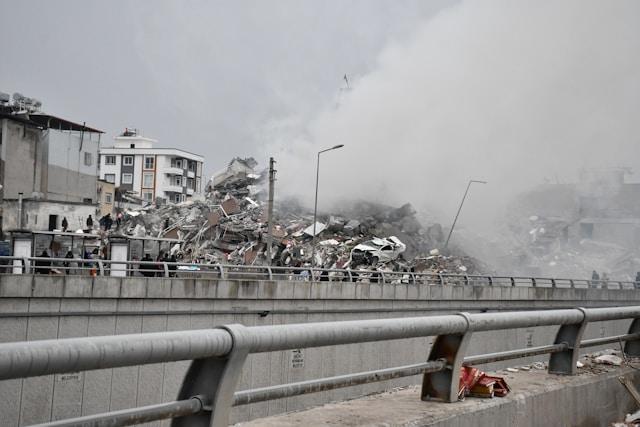
Authorities reported extensive structural damage across the affected region. A total of 856 buildings sustained damage, while 190 structures collapsed completely. The scale of destruction has created significant challenges for emergency responders and aid organizations attempting to reach vulnerable populations.
Rescue operations have remained active in the weeks following the disaster. Emergency crews have successfully rescued 6,462 people from impacted areas, according to official figures. However, ongoing seismic activity continues to complicate recovery efforts.
Seismologists have recorded 1,284 aftershocks since the initial earthquakes. UNICEF noted in a report published July 16 that the continuing tremors have heightened risks for survivors and slowed recovery operations.
Children and Vulnerable Groups Among the Hardest Hit
The widespread damage to residential areas and educational facilities has created what UNICEF described as “a major child-focused humanitarian emergency.”
The organization warned that children, pregnant women and people with disabilities face particularly severe challenges as communities struggle to recover from the disaster. The loss of housing, disruption of essential services and continued threat posed by aftershocks have compounded the difficulties facing affected families.
Humanitarian agencies have emphasized that immediate needs include access to safe shelter, food, clean water, medicine and psychosocial support for survivors coping with trauma.
Catholic Organizations Mobilize Global Support
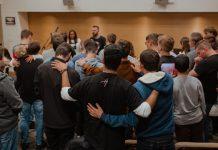
As relief efforts intensify, Catholic organizations around the world have launched fundraising campaigns and appeals to support Venezuelans affected by the earthquakes.
The Latin American and Caribbean Episcopal Council (CELAM) issued a public appeal on July 15, encouraging Catholics to contribute to Caritas Venezuela through its campaign, “Tras el temblor, el amor” (“After the earthquake, love”).
The campaign has provided regular updates on the aid being collected and distributed throughout the affected regions. According to Caritas Venezuela’s July 10 report, the organization delivered 13,050 metric tons of humanitarian assistance during the first 10 days following the earthquakes.
Water accounted for the largest share of distributed supplies, totaling 5,612 metric tons. Food assistance followed closely at 5,220 metric tons. Caritas also distributed 1,305 metric tons of hygiene products and 914 metric tons of donated clothing.
International Relief Agencies Working on the Ground
Among the organizations supporting relief distribution is Catholic Relief Services (CRS), the overseas humanitarian and development agency of the U.S. Conference of Catholic Bishops.
CRS spokesperson Brittany Wichtendahl said the organization was working “extremely closely” with its local partners in Venezuela to coordinate assistance and address urgent humanitarian needs.
The extent of the devastation became evident to CRS emergency communications coordinator Robyn Fieser upon her arrival in Venezuela on July 9.
Describing scenes from the disaster zone, Fieser said entire blocks of buildings had “pancaked onto themselves” amid widespread destruction.
“There was massive destruction for blocks,” she said, comparing the affected areas to a war zone. Speaking from Venezuela on July 13, Fieser urged the international community to keep Venezuelans in their thoughts as recovery efforts continue.
International Church Efforts Expand
Support for earthquake survivors has extended beyond the Americas. In Bolivia, Caritas announced a nationwide collection scheduled for July 26, encouraging parish communities to contribute funds for food, medicine and temporary housing for Venezuelan victims.
Meanwhile, Bishop Heiner Wilmer of Hildesheim, president of the German bishops’ conference, issued a statement on July 16 calling on Catholics in Germany to pray for those affected and to support relief efforts through donations to Caritas Venezuela.
Wilmer noted that initial contributions from German parishes and individual donors had already reached Venezuela and were being distributed through Caritas networks.
“Through them, our aid reaches those in need directly. We must not abandon the victims of the earthquakes and must help now,” he said.
The bishop also highlighted the importance of long-term support, noting that local church partners are not only distributing emergency supplies but also providing psychosocial care to survivors dealing with trauma.
“Reconstruction will take years,” Wilmer said, urging continued support for Caritas International’s emergency response efforts.
Long Road to Recovery
While rescue teams continue searching affected areas and humanitarian organizations expand relief operations, Venezuela faces a lengthy recovery process. Thousands remain displaced, critical infrastructure has been severely damaged and hundreds of aftershocks continue to threaten already weakened structures.
With nearly 5,000 lives lost and thousands more impacted, the disaster has prompted a broad international response aimed at addressing immediate needs while laying the groundwork for years of rebuilding ahead.
- Raju Hasmukh with files from OSV News
Related Images: