
























JD Vance backs Pope Leo XIV’s warning on AI warfare, urging cadets to keep human control over life-and-death decisions in future conflicts.
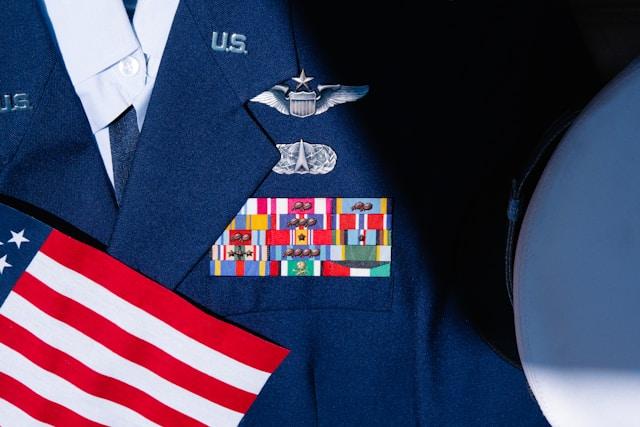
Newsroom (29/05/2026 Gaudium Press )Vice President JD Vance used his commencement address at the U.S. Air Force Academy to underscore growing global concerns about artificial intelligence in warfare, aligning his remarks with a recent papal encyclical warning against the unchecked use of autonomous systems in life-and-death decisions.
Addressing the graduating class, Vance said he wanted to publicly “endorse” the concerns raised by Pope Leo XIV in Magnifica Humanitas: On Safeguarding the Human Person in the Time of Artificial Intelligence. The document calls for the “most rigorous ethical constraints” on AI, particularly in military applications. Vance framed the issue as both a technological and moral challenge facing a new generation of military leaders.
The vice president acknowledged the mixed public sentiment surrounding rapid advancements in artificial intelligence, noting that some technology executives had faced criticism from graduating classes elsewhere in 2026. “People are understandably worried” about the implications of emerging technologies, he said, even as he reaffirmed his own support for AI development when guided by ethical frameworks.
At the core of Vance’s message was a call for human accountability in warfare. As the graduates prepare to enter active service, he told them they would shoulder the “incredible burden” of conducting warfare justly in an era of unprecedented technological capability.
“If the warfare of the future is to live up to the moral values of our ancestors, decisions over life and death must be made by humans and not machines,” Vance said. He urged cadets to resist overreliance on automation, cautioning that while AI could enhance decision-making, it must never replace the human conscience.
“You are the masters of warfare,” Vance told the audience. “Use technology to make you better, but never submit to it. Both your minds and your hearts are the opposite of artificial.”
The remarks closely echoed the central argument of Pope Leo XIV’s encyclical. In the document, the pontiff emphasized that “moral judgment cannot be reduced to calculation,” rejecting the notion that artificial systems could assume responsibility for irreversible decisions such as the use of lethal force. The pope also dismissed the idea of “artificial moral agents,” stressing that true moral reasoning depends on uniquely human qualities including conscience, responsibility, and recognition of others as persons.
The encyclical further challenges longstanding frameworks for evaluating warfare. Pope Leo argued that the traditional just war theory, developed by St. Augustine and St. Thomas Aquinas and refined over centuries, is increasingly inadequate in the face of modern technologies. According to the document, the rise of AI-driven weapons systems risks making conflict more accessible and less constrained by human judgment.
“The growing ease with which autonomous weapons systems can be deployed makes war more ‘feasible’ and less subject to human control,” Pope Leo wrote, warning that such developments undermine the principle that armed force should be used only as a last resort.
Vance’s speech highlighted this tension between technological advancement and ethical restraint. By directly linking the military’s future to the moral considerations raised by the Vatican, the vice president placed the issue of AI governance within a broader philosophical and cultural context.
The address also reflected a longstanding tradition in which either the U.S. president or vice president speaks at one of the nation’s military academy commencements each year. This year’s speech, however, stood out for its focus on artificial intelligence as a defining factor in future conflict.
Despite his strong endorsement of the encyclical’s themes, Vance acknowledged that his engagement with the document is still ongoing. In a May 26 interview with NBC News, he said he had read “bits and pieces” of the text and associated coverage, describing what he had seen so far as “very profound.”
Taken together, Vance’s remarks signal an emerging consensus among policymakers and global leaders that the rapid integration of AI into military systems demands urgent ethical scrutiny. For the newly commissioned officers at the Air Force Academy, the message was clear: technological superiority must not come at the expense of human judgment.
As AI continues to reshape the battlefield, the responsibility to ensure that its use aligns with enduring moral principles, Vance suggested, will rest squarely with those entrusted to lead.
- Raju Hasmukh with files from OSV News
Related Images: