












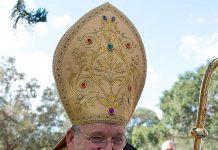
Archbishop Luigi Roberto Cona visited Syria’s Christian villages in Idlib, offering support, hearing concerns and fostering hope.
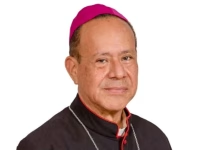
Newsroom (16/07/2026 Gaudium Press ) The Apostolic Nuncio to Syria, Archbishop Luigi Roberto Cona, paid a pastoral visit to the Christian villages of Yaqubie, Knaye and Ghassanieh in north-western Syria from 26 to 28 June, offering a message of solidarity and hope to communities that have endured years of conflict, displacement and the devastating impact of a recent earthquake.
Archbishop Cona received a warm welcome from residents of the three villages, located in the agricultural hills of Idlib province. The area, once known as a stronghold of the so-called Islamic State, remains home to one of Syria’s oldest Christian communities, whose presence in the region stretches back generations.
During the visit, the Nuncio spent time listening to local residents, hearing firsthand accounts of the challenges they continue to face amid a fragile and uncertain environment. He encouraged the faithful to maintain their trust in God despite the difficulties of daily life and the broader challenges confronting the region.
A key element of the visit was the opportunity for Archbishop Cona to engage directly with individuals and families whose lives have been profoundly affected by war and natural disaster. Residents shared testimonies of persecution, violence and the loss of homes, property and livelihoods. Their stories highlighted both the suffering experienced by the local population and the remarkable resilience that has enabled many to remain in their ancestral homeland.
The visit was made possible through the ongoing presence of Franciscan friars, who continue to serve the local Churches and communities. Their work has played an important role in preserving Christian life in the region while providing practical support to residents struggling with the consequences of conflict and economic hardship.
Archbishop Cona also toured several community facilities supported by the friars, including educational and healthcare initiatives designed to assist local families and strengthen community life. These projects have become increasingly significant as residents seek to rebuild and recover from years of instability.
Young people were among those who voiced their concerns during discussions with the Nuncio. Many spoke about the urgent need for vocational training, employment opportunities and broader support mechanisms that would allow future generations to remain in the villages rather than seek opportunities elsewhere. Their appeals reflected wider concerns about demographic decline and the long-term sustainability of these historic Christian communities.
Among the ideas raised during the conversations was the restoration of traditional buildings as a means of encouraging tourism and stimulating economic activity. Supporters of the proposal believe that preserving the villages’ cultural and architectural heritage could help create new opportunities while strengthening local identity.
In addition to meeting residents and Church representatives, Archbishop Cona held discussions with several public officials. Those participating in the talks included Deputy Interior Minister Abdel Qader Tahan, Ahmad Hassinat of the General Secretariat for Political Affairs, Member of Parliament Mustafa Moussa, Al-Shughur District Director Abdel Razzaq Alloush, and Ahmad Ghandour, Director of Al-Rahma Hospital in Darkush.
The visit underscored both the enduring challenges facing Syria’s Christian communities and their determination to preserve a centuries-old presence in the region. Through encounters with residents, clergy and public officials, Archbishop Cona’s journey highlighted the importance of ongoing support, dialogue and development efforts as these villages continue their path toward recovery and renewal.
For many residents of Yaqubie, Knaye and Ghassanieh, the Nuncio’s presence served as a powerful reminder that their struggles have not been forgotten, and that hope remains alive despite the hardships of recent years.
- Raju Hasmukh with files form Vatican News
Related Images: