



























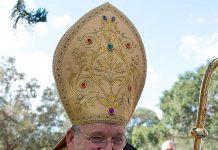

French bishops condemn the approval of euthanasia and assisted suicide, warning of ethical, social, and medical consequences.
Newsroom (16/07/2026 Gaudium Press ) The presidency of the French Episcopal Conference has strongly criticized the parliamentary approval of legislation legalizing euthanasia and assisted suicide, describing the July 15 vote as a “grave turning point” in the history of France.
In a statement signed by Cardinal Jean-Marc Aveline, president of the Episcopal Conference, alongside Archbishops Vincent Jordy and Benoît Bertrand, the Catholic leaders argued that the new law introduces into the French legal framework “the possibility of causing death.” They contend that the measure represents a significant departure from the longstanding medical tradition focused on caring for, accompanying, and supporting people facing illness and suffering.
Church Criticism of the Legislative Process
The bishops emphasized that the Catholic Church in France has actively participated in discussions surrounding end-of-life care over the past four years. Through proposals, contributions, and public engagement, the Church sought to promote what it considers the inherent dignity of every human person.
However, the Episcopal Conference expressed disappointment with the way the debate evolved. According to the statement, a process initially presented by public authorities as “calm, informed, and respectful” ultimately became influenced by what the bishops described as political, ideological, and potentially economic interests. They argued that these factors were concealed beneath language that they consider misleading and deceptive.
The Catholic leaders maintain that the legislation reflects a fundamental shift in public policy and ethical thinking about the end of life, a development they view with deep concern.
Concerns Over Long-Term Social Consequences
While acknowledging that the full impact of the law remains uncertain, the bishops warned that legalizing euthanasia and assisted suicide could significantly alter society’s approach to illness, disability, aging, and vulnerability.
The statement highlights concerns that the legislation may weaken relationships of trust between patients, healthcare professionals, and family members. According to the Church’s leadership, such trust is essential in situations involving serious illness and end-of-life care.
The bishops also raised fears that elderly individuals, particularly those experiencing financial hardship, social isolation, or dependency, could feel indirect pressure to request assisted death in order to avoid becoming what they perceive as a burden on their families or caregivers.
Additionally, the Episcopal Conference pointed to experiences in other countries where similar laws have been introduced. The statement argues that such legislation often leads to a gradual expansion of eligibility criteria for euthanasia and assisted suicide, while attention and resources devoted to palliative care risk being reduced over time.
Renewed Call for Palliative and Compassionate Care
In response to the legal changes, the bishops called for an intensified commitment to end-of-life care that prioritizes support rather than the deliberate ending of life.
They appealed to families, healthcare professionals, volunteers, chaplains, and charitable organizations to continue offering compassionate accompaniment to individuals facing serious illness, disability, old age, or terminal conditions. Such support, they said, should aim to relieve both physical pain and psychological suffering while upholding respect for life.
The Episcopal Conference also expressed gratitude to those who work daily with vulnerable populations, including the sick, elderly, disabled, and dying. Their dedication, the bishops noted, remains essential in ensuring that people receive care, comfort, and dignity during the final stages of life.
Furthermore, Catholic healthcare institutions were encouraged to remain faithful to the ethical principles of the Church. The statement reaffirmed the Church’s opposition to practices it considers morally unacceptable and urged Catholic facilities to continue providing care consistent with their religious convictions.
Awaiting Constitutional Review
Looking ahead, the French bishops indicated that they will closely follow the legal challenges expected to be presented before the French Constitutional Council.
The Episcopal Conference also pledged support for initiatives promoted by various organizations seeking to protect the ethical freedom of institutions dedicated to end-of-life care. Particular attention will be given to ensuring that healthcare centers opposed to euthanasia and assisted suicide can continue operating according to their guiding principles without being compelled to participate in practices they reject.
“In the Service of Life”
Concluding their statement, the bishops reaffirmed their commitment to what they described as a culture of life and solidarity. They stated that French Catholics will continue working alongside both believers and non-believers in defense of vulnerable individuals and in support of compassionate care.
The statement ended with a message emphasizing that, in the bishops’ view, the true measure of a society is not its willingness to facilitate death, but its capacity to accompany those who are suffering through genuine human solidarity and fraternity until the end of life.
- Raju Hasmukh with files from Infovaticana
Related Images: