















Sea Sunday 2026 in Calabria honored seafarers and fishermen, highlighting labor hardships, maritime solidarity and environmental challenges.
Newsroom (15/07/2026 Gaudium Press ) For many people, the sea is synonymous with leisure, travel, and summer holidays. Yet beneath its vast blue horizon lies the often unseen labor of millions of maritime workers who sustain global commerce. It was this hidden world that took center stage during the national celebrations of Sea Sunday 2026, held over the weekend in Calabria and dedicated to prayer, reflection, and support for seafarers and their families.
Organized by the Apostleship of the Sea of the Italian Bishops’ Conference (CEI), this year’s observance was hosted by the Archdiocese of Rossano-Cariati, bringing together Church leaders, fishermen, maritime workers, volunteers, and local communities to recognize the essential role of those who work at sea.
A Celebration Rooted in Maritime Tradition
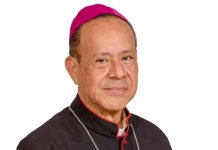
The two-day event began on Saturday at the fishing pier in Cariati, in the province of Cosenza, where fishermen and their vessels received a blessing. The program continued in the port area with meetings attended by Archbishop Maurizio Aloise of Rossano-Cariati and Father Bruno Bignami, Director of the National Office for Social Issues and Labor and of the Apostleship of the Sea.
Cultural activities complemented the religious celebrations, including literary readings centered on the sea, a sailing demonstration by the Italian Naval League’s sailing school, and the inauguration of the exhibition Families and Boats of the Cariati Seafaring Community, which showcased the deep maritime heritage of the region.
On Sunday, the celebrations culminated with a Eucharistic service at the fish market in Schiavonea, presided over by Archbishop Aloise. The ceremony concluded with the traditional blessing of fishermen and boats, followed by a visit to the Ricordi Azzurri exhibition, featuring photographs, artifacts, and personal testimonies documenting the history of local seafaring communities.
“The Sea Is a Place of Encounter”
In his homily, Archbishop Aloise emphasized the human dimension of maritime life, reminding participants that behind every vessel lies a story of sacrifice.
“The sea is not just a backdrop,” he said. “It becomes a place of encounter, mission and hope.”
He drew attention to the workers who often remain invisible despite their indispensable contribution to society, including seafarers, fishermen and dockworkers. According to the archbishop, these individuals face long periods away from home, economic uncertainty and limited public recognition.
Addressing those present, he encouraged maritime workers not to lose hope amid sector-wide difficulties and the indifference that frequently surrounds their profession. He described the sea as a powerful symbol of unity, noting that ships regularly bring together people of different languages, cultures and religions.
“While on land divisions and conflicts often prevail, at sea we experience that collaboration is possible,” he observed. “Oceans do not divide people; they connect them.”
His remarks echoed one of the central themes of this year’s Sea Sunday: the promotion of fraternity across cultural and religious boundaries.
Beyond Trade: Recognizing the Human Face of the Sea
The theme chosen for Sea Sunday 2026, “Beyond Goods and Trade: The Human Face of the Sea,” sought to focus attention on the people who make global trade possible.
Father Bignami noted that approximately 90 percent of the world’s goods are transported through maritime routes, making the sea the backbone of the global economy. Yet behind this immense logistical system lies a workforce increasingly burdened by demanding conditions.
“The sea is the lifeblood of the world economy,” he said, while warning that labor contracts, fatigue and mounting workloads are creating increasingly stressful realities for crews.
According to the priest, changes in the shipping industry have significantly altered the lives of seafarers. Modern vessels spend less time in port than in previous decades, with harbors becoming rapid transit points focused primarily on loading and unloading operations.
While this model boosts efficiency and profitability, it also places additional pressure on workers, who frequently endure longer schedules and fewer opportunities for rest. Father Bignami argued that consumers often remain unaware of these realities, seeing only the final products that arrive in their homes without considering the labor conditions involved in their transportation.
Challenges Facing Seafarers Worldwide
Concerns over maritime labor have gained additional urgency amid international tensions affecting global shipping routes.
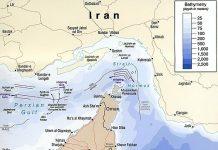
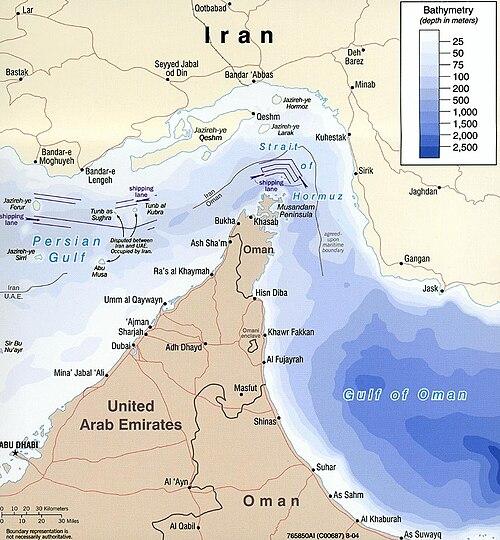
In his Sea Sunday message, Cardinal Michael Czerny, Prefect of the Dicastery for Promoting Integral Human Development, observed that recent tensions in the Strait of Hormuz have once again demonstrated humanity’s dependence on the sea and those who work there.
Father Bignami highlighted how many seafarers are compelled to remain at sea beyond their contractual commitments, often unable to return home to their families or communities for extended periods.
Another serious issue is the abandonment of ships following the financial collapse of shipowners. In such circumstances, crews can find themselves stranded aboard vessels with limited access to essential resources. The Apostleship of the Sea frequently intervenes to provide basic support, including food, water and clothing.
A Fishing Industry Under Pressure
Alongside concerns about commercial shipping, Sea Sunday also drew attention to the ongoing crisis affecting Italy’s fishing communities.
Father Bignami described fishing as a sector undergoing both an identity crisis and an economic struggle. Across major fishing centers, including Chioggia, San Benedetto del Tronto, Mazara del Vallo and Molfetta, the number of active fishing vessels continues to decline.
The industry faces multiple challenges, including low profitability, the absence of generational renewal and diminishing economic prospects. As younger generations increasingly turn away from the profession, concerns are growing about the long-term future of traditional fishing communities.
Environmental Change and a Shared Future
The difficulties confronting maritime workers are closely tied to environmental concerns. Cardinal Czerny warned that the world’s seas are increasingly threatened by pollution, while Father Bignami stressed the importance of educating communities about marine stewardship.
Echoing the principles of Pope Francis’ Laudato si’, he pointed to the rapid transformation of marine ecosystems. Rising water temperatures and the emergence of new species are already affecting fishing practices and coastal livelihoods, creating new uncertainties for communities dependent on the sea.
At the same time, maritime life continues to offer a unique model of coexistence. Living and working together for months at a time, crews composed of different nationalities, cultures and faith traditions often develop strong bonds of solidarity.
For Father Bignami, this reality makes seafarers “a great laboratory for interreligious dialogue,” demonstrating how cooperation in pursuit of a common goal can overcome cultural and linguistic barriers.
As Sea Sunday 2026 concluded in Schiavonea, the message was clear: behind the vast machinery of global trade stand countless workers whose contribution remains largely unnoticed. Their labor sustains economies, connects nations and feeds communities. Recognizing their dignity, challenges and humanity remains an essential task for both society and the Church.
- Raju Hasmukh with files from Avvenire
Related Images: