







Pope Leo XIV approves beatification of 80 Spanish Civil War martyrs from Santander, highlighting faith, sacrifice, and historical memory.
Newsroom (25/05/2026 Gaudium Press) In a significant ecclesiastical development marked by historical resonance and spiritual recognition, Pope Leo XIV has authorized the beatification of 80 martyrs who were killed during the Spanish Civil War in the province of Santander. The decision, formalized on May 22 during an audience with Cardinal Marcello Semeraro, prefect of the Dicastery for the Causes of Saints, comes just days before the pontiff is set to begin his apostolic journey to Spain.
The group of future blesseds—comprising 67 priests, three Carmelites, three seminarians, and seven lay people—were executed between 1936 and 1937 during one of the most violent periods of anti-religious persecution in modern European history. Their beatification recognizes what the Church describes as unwavering fidelity to their faith in the face of extreme violence.
Violence in Santander During the Civil War
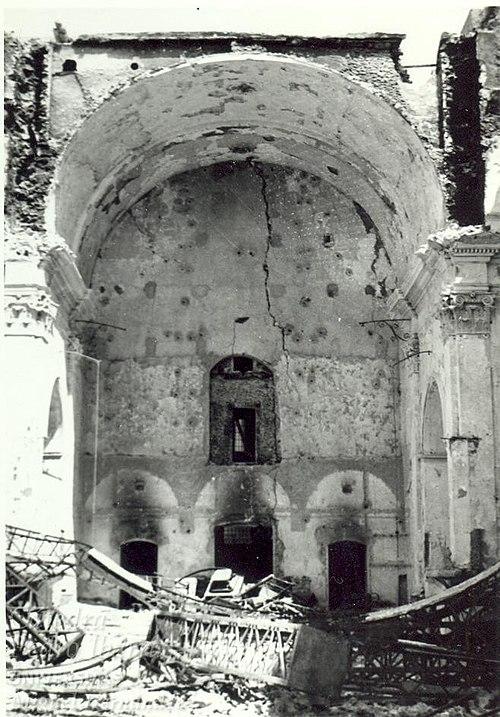
The province of Santander holds a distinctive place in the history of the Spanish Civil War. Following the national uprising in July 1936, it became the only Castilian capital to remain under Republican control. This political reality coincided with a surge of anti-clerical violence that deeply affected the Catholic community.
According to accounts from the Diocese of Santander, a “spiral of violence” unfolded across the region, lasting until August 1937. Members of the clergy and lay faithful were systematically targeted, often arrested without due process and subjected to execution or forced disappearance.
The methods of killing were particularly brutal. Some victims were bound and thrown into the Cantabrian Sea, while others were executed after imprisonment. A number of detainees were held aboard the ship Alfonso Pérez, which had been repurposed as a floating prison by Popular Front authorities. It was from this vessel that many prisoners never returned.
Witnesses of Faith Amid Persecution
Among the martyrs, the figure of Francisco González de Córdova stands out as emblematic of pastoral courage. Serving as parish priest in Santoña, he refused opportunities to flee and instead chose to continue ministering to his parishioners clandestinely. Even after his arrest and imprisonment on the Alfonso Pérez, he persisted in hearing confessions and offering spiritual comfort to fellow inmates.
According to the Church’s account, González de Córdova made a final request when executions began: that he be the last to die. His aim was to bless each of those condemned before him. He was ultimately executed in the ship’s hold, sealing what the Vatican recognizes as an act of martyrdom rooted in charity and faith.
Another victim, Felipe Sobrado Fernández, parish priest of Pontejos, was 51 years old at the time of his death. His body, later recovered, bore 16 bullet wounds—an indication of the violence inflicted during the campaign against religious figures. Executions in the region had begun earlier, in August 1936, when seven priests were taken from their parishes and shot. The cycle of violence continued for nearly a year.
The Church has emphasized that all 80 individuals died without renouncing their beliefs and, notably, forgiving those responsible for their deaths—an aspect central to the recognition of martyrdom in Catholic canon law.
Parallel Recognition: Patriarch Elias Hoyek
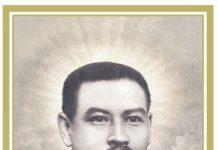
At the same audience, Pope Leo XIV also approved a miracle attributed to the intercession of Venerable Elias Hoyek, Patriarch of Antioch of the Maronites. This decision moves Hoyek closer to beatification, underscoring a broader pattern of acknowledgment of figures who combined spiritual leadership with social commitment.
Born in Helta, Lebanon, in 1843, Hoyek became a central figure in Maronite ecclesiastical life. He founded the Congregation of the Maronite Sisters of the Holy Family, marking the creation of the first female apostolic religious institute within the Maronite Church.
Elected patriarch in 1899, he served for more than three decades, focusing on clergy formation and catechesis. His leadership extended beyond purely religious concerns. During World War I, he made convents and monasteries available to the suffering population in Lebanon, an action that nearly cost him deportation. Intervention by Pope Benedict XV ultimately spared him.
Hoyek’s influence extended onto the international stage when he advocated for Lebanese independence during the Congress of Versailles. His efforts contributed to the proclamation of the State of Greater Lebanon on September 1, 1920, earning him the enduring title “Father of Greater Lebanon.”
Recognition of Heroic Virtue
In addition to the martyrs and the advancement of Hoyek’s cause, the Pope authorized the recognition of heroic virtues in four additional servants of God, granting them the title of “Venerable.”
These include Constantine Vendrame, an Italian Salesian missionary known as the “Apostle of Shillong” for his evangelizing work in India; Nazareno da Pula, a Capuchin lay brother; María Ana Alberdi Echezarreta, abbess of the Franciscan Conceptionist Sisters; and Jean-Thierry of Jesus Child and of the Passion, a young Carmelite religious from Cameroon.
Each of these figures represents diverse expressions of Christian life—missionary endeavor, contemplative service, and youthful religious commitment—reflecting the global and historical breadth of the Catholic Church’s canonization process.
A Step Toward Remembrance and Reconciliation
The beatification of the Santander martyrs carries both religious and historical significance. For the Church, it is a recognition of faith lived to its ultimate test. For society, it invites renewed reflection on a painful chapter marked by ideological conflict and human suffering.
As Pope Leo XIV prepares to travel to Spain, the timing of the announcement is particularly poignant. It underscores the enduring impact of the Civil War on national memory and highlights the Church’s effort to honor those it regards as witnesses of reconciliation, forgiveness, and steadfast belief even in the darkest of times.
- Raju Hasmukh with files from Infocatholica
Related Images: