













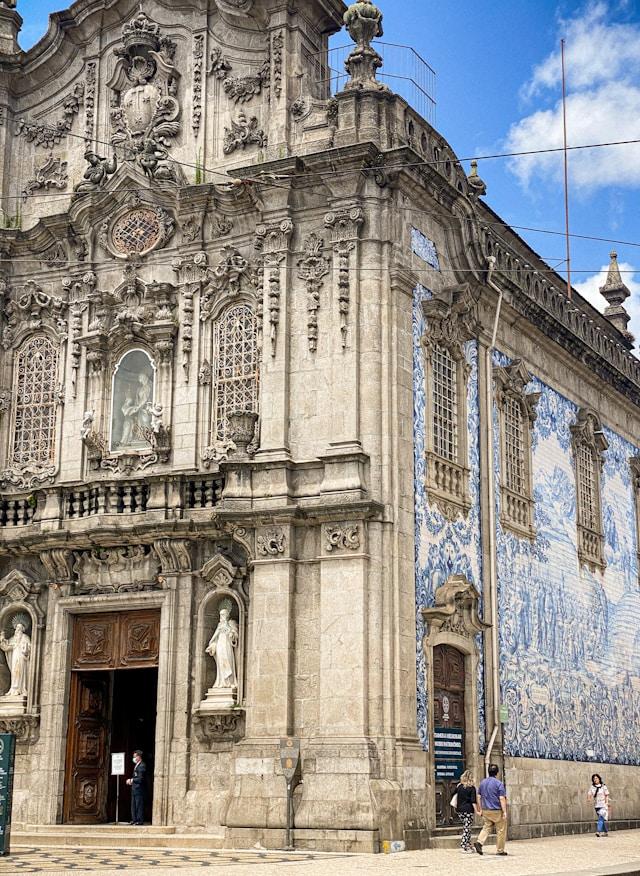
Bishop Manuel Linda opens Porto Synod, linking Pentecost to Church renewal, mission, and synodality guided by the Holy Spirit.
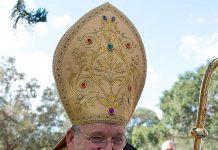
Newsroom (25/05/2026 Gaudium Press) The Diocese of Porto formally inaugurated its diocesan synod on May 24, as Bishop Dom Manuel Linda presided over Mass at Porto Cathedral marking the Solemnity of Pentecost. Declaring the synod open during the liturgy, the bishop framed the moment as a decisive step toward renewing the Church’s mission and identity through the action of the Holy Spirit.
“With this celebration, I declare the Diocesan Synod of Porto open,” Bishop Linda announced, emphasizing the symbolic convergence of Pentecost and the beginning of the synodal process.
Synodality as Structure and Spirit
In his address, Bishop Linda described the diocesan synod as a “concrete event with a defined timeframe” that institutionalizes synodality within the Church. He highlighted the necessity of balancing formal processes with a broader spiritual culture.
“Without a widespread synodal culture, a synod risks being sterile; but, without a formal synod, synodality risks lacking insight and effectiveness in decision-making,” he said, underlining the importance of both structure and spirit in ecclesial life.
For the bishop, synodality extends beyond organizational frameworks. He characterized it as “not a bureaucratic organization or a mere assembly, but a spiritual event,” rooted in Jesus Christ and animated by the Holy Spirit, fostering unity, fraternity, and shared responsibility among the faithful.
Pentecost as a Model for the Church
Drawing a strong theological parallel, Bishop Linda linked the synod with the biblical event of Pentecost—the moment when, according to Christian tradition, the Holy Spirit descended upon the apostles.
He noted how the early disciples, once fearful and withdrawn, were transformed on that day. Gathered together “like refugees in a kind of fortress,” they experienced a “prodigious” change when the Spirit empowered them with courage and understanding.
“The Holy Spirit took hold of the hearts and minds of those timid and fearful men,” the bishop said, enabling them to speak with clarity and connect with the wider world.
Following this transformation, the apostles “opened the doors, went out, and reconnected with the world,” fulfilling the mission entrusted to them by Christ. For Bishop Linda, this movement—outward, engaged, and missionary—serves as the foundation for the Diocese of Porto’s synodal journey.
A Church That Walks Together
Central to the bishop’s message was the conviction that the Church must not exist in isolation. “The Holy Spirit teaches us that there is no solitude in God’s plan,” he said, describing the Church as a community called to walk together in unity.
“A Church that descends from the ‘upper room’ to the roads of the world knows that it does so together, in fraternal union, in the Lord,” he added, reinforcing the communal dimension of synodality.
He further stressed that the synodal process should not be reduced to strategic planning or administrative reform. Instead, it must be guided by spiritual renewal. “It’s not about making worldly programs, but about invoking the wind of the Spirit that renews the Church and broadens the horizons of love,” he said.
A Call to Action for the Faithful
Bishop Linda concluded his homily with a vivid maritime metaphor, inviting the faithful of Porto to actively participate in the synod. “Christians of the Diocese of Porto, let us hoist the sails of Peter’s boat,” he urged.
He described the Holy Spirit as the driving force that propels the Church “towards the safe harbor of new life in Christ,” calling on all members of the diocese to embark together on this shared journey.
“Within it, let us embrace, listen, form ourselves, speak, evaluate, plan, and commit ourselves,” he said, outlining the participatory and reflective dimensions of synodality.
Confident in the collective discernment of the faithful, he expressed trust in what he called the “sense of faith” of the people, stating that it “cannot be deceived.”
Toward Transformation
The bishop’s final message positioned the synod not merely as an internal process but as a catalyst for transformation. He encouraged the diocese to become “a port of departure to form, reform, and transform,” signaling a forward-looking vision rooted in renewal and outreach.
By grounding the launch of the synod in the celebration of Pentecost, Bishop Manuel Linda underscored a central theme: that the future of the Church depends on its openness to the Holy Spirit—capable of turning fear into courage and routine into mission.
- Raju Hasmukh with files from ACi Digital
Related Images: