











At Pentecost, the Pope urges invoking the Holy Spirit to open hearts, strengthen the Church, and foster unity, fraternity, and peace worldwide.
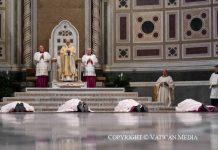
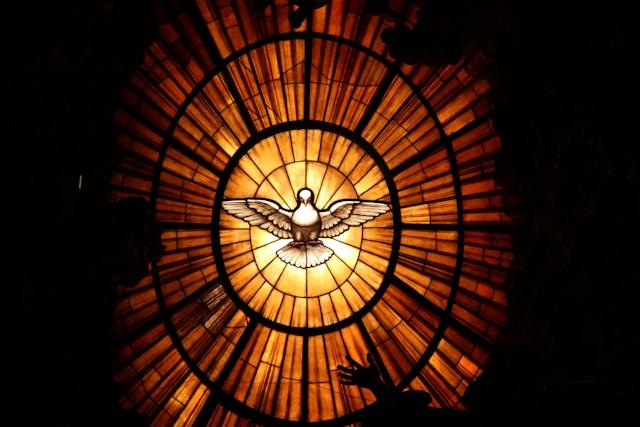
Newsroom (25/05/2026 Gaudium Press ) On the Solemnity of Pentecost, the Pope delivered a reflection centered on the transformative power of the Holy Spirit, calling on the faithful to embrace openness, overcome division, and renew the Church’s mission in a changing world. Speaking during the Regina Caeli prayer, he emphasized that the Spirit continues to act today as it did in the early Church—opening doors, instilling courage, and guiding believers toward deeper faith and unity.
The Spirit as a Force that Opens Doors
Drawing from the Gospel of John and the Acts of the Apostles, the Pope highlighted the image of locked doors giving way to the power of the Spirit. The disciples, gathered in fear behind closed doors, were emboldened when the Spirit came “like a mighty wind,” sending them out to proclaim the message of the risen Christ.
This biblical image, he explained, still resonates in contemporary faith. “What doors does the Holy Spirit open today?” he asked, structuring his reflection around three key dimensions: God, the Church, and the human heart.
The first door, he said, is that of God himself. Through the Spirit, believers gain access to the mystery of divine life revealed in Jesus Christ. Faith becomes more than adherence to rules; it becomes a living encounter. The Spirit grants understanding of Scripture, reveals God as close and present, and allows individuals to experience a personal relationship with the divine.
A Church Called to Welcome All
The second door concerns the Church. Without the Spirit, the Pope warned, the Church risks becoming inward-looking, fearful, and unable to engage with the complexities of modern life. In contrast, the Spirit empowers the Church to move outward—toward dialogue, hospitality, and inclusiveness.
Echoing previous teachings, he reiterated that the Church must remain open to all people. “The doors of the Church are open to everyone,” he said, emphasizing a vision of a community that blesses, encourages, and embraces even those who feel distant from faith.
Such openness, he suggested, is essential in a world marked by rapid cultural and social changes. The Spirit, therefore, is not only a source of spiritual renewal but also a guide for engaging contemporary challenges without fear.
Transforming Hearts and Building Fraternity
The third door is that of the human heart. According to the Pope, the Holy Spirit works within individuals to overcome barriers such as selfishness, mistrust, prejudice, and resistance. By transforming hearts, the Spirit makes genuine fraternity possible.
Where the Spirit is present, he said, a universal language of love emerges—one that transcends differences among peoples, cultures, and communities. This unity does not erase diversity but harmonizes it, fostering peace and mutual understanding.
The Pope urged believers to invoke the Spirit especially on Pentecost, asking for the courage to open any remaining closed doors in their lives. Such spiritual renewal, he added, is the foundation for rediscovering God as a loving Father and for building societies marked by peace and solidarity.
Prayer for the Global Church
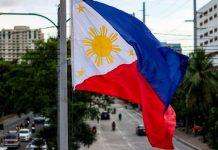
Following the Regina Caeli, the Pope broadened his focus to the global Church, marking the Day of Prayer for the Church in China. He invited the faithful worldwide to join in prayer with Chinese Catholics, expressing closeness and unity with communities that face challenges in living out their faith.
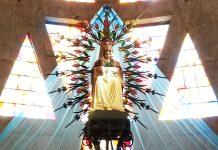
He entrusted them to the intercession of the Blessed Virgin Mary, venerated under the title Help of Christians, particularly at the Sheshan Shrine in Shanghai. He prayed for unity among believers in China and for strength in their daily witness, describing them as “seeds of hope and peace.”
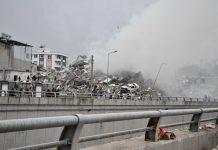
The Pope also remembered victims of a recent mining accident in northern China, offering prayers for their eternal rest.
Solidarity with Conflict-Affected Regions
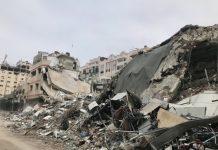
Extending his appeals further, the Pope entrusted Christian communities in the Holy Land, Lebanon, and the broader Middle East to Mary’s protection, acknowledging the suffering caused by ongoing conflicts in those regions.
His message reinforced a consistent theme: the need for global solidarity rooted in faith. By invoking the Spirit and the intercession of Mary, he called on believers to stand in spiritual unity with those enduring hardship.
A Message of Joy and Encouragement
Concluding his address, the Pope greeted pilgrims and visitors from around the world, including groups from Poland and Belgium. His tone remained one of encouragement, reflecting the joy traditionally associated with Pentecost—the birth of the Church and the beginning of its universal mission.
Ultimately, the Pope’s message was both pastoral and urgent. It underscored a vision of the Church and the world transformed by the Holy Spirit: doors opened, fears overcome, and humanity united in a shared language of love.
As he reminded the faithful, the call of Pentecost is not confined to history—it is a living invitation to renewal today.
- Raju Hasmukh with files from Vatican News
Related Images: