







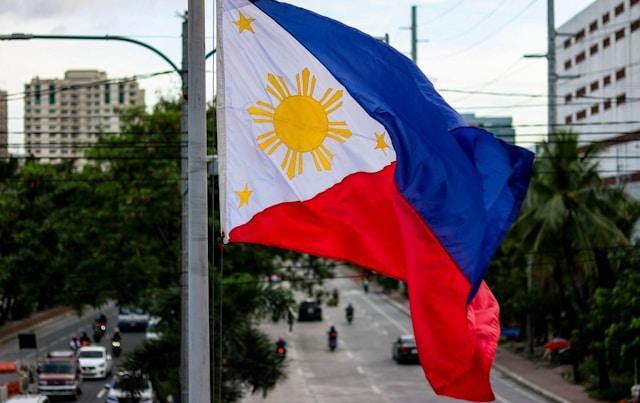
A Catholic-led commission in the Philippines launches a probe into Duterte’s drug war killings to document abuses and support future prosecutions.
Newsroom (28/05/2026 Gaudium Press ) A group led by a prominent Catholic bishop in the Philippines has launched a fact-finding body aimed at documenting the testimonies of witnesses and survivors of former President Rodrigo Duterte’s controversial anti-drug campaign—an initiative that advocates say is crucial to advancing accountability years after thousands were killed.
The body, formally introduced Wednesday as the “EJK Truth Commission,” seeks to compile and preserve evidence tied to Duterte’s brutal crackdown on illegal drugs. Organizers say the material gathered could eventually be used by Philippine authorities to investigate and prosecute law enforcers accused of wrongdoing.
Duterte, who served as president from 2016 to 2022, oversaw a campaign that left thousands—many of them poor Filipinos—dead in police operations and vigilante-style killings. While his administration defended the campaign as necessary to curb crime, critics at home and abroad have long argued it encouraged extrajudicial violence and fostered a climate of impunity.
The former president’s legal troubles escalated last year when he was arrested and transferred to the Netherlands. He now faces trial before the International Criminal Court (ICC) in The Hague on allegations of crimes against humanity linked to the killings carried out during his presidency.
One of Duterte’s closest allies, Sen. Ronald dela Rosa, who served as national police chief at the outset of the crackdown, has also been named by the ICC as a co-perpetrator in some of the killings. Philippine authorities have pledged to enforce an international arrest warrant against him, but he has gone into hiding as efforts to locate him continue.
Both Duterte and dela Rosa have consistently denied authorizing extrajudicial killings. However, Duterte’s public rhetoric during his presidency—often marked by explicit threats against drug suspects—has remained a focal point in investigations and criticism from human rights organizations.
A “Long Overdue” Effort
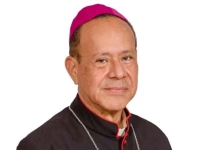
Cardinal Pablo Virgilio David, one of the key figures behind the commission, described the initiative as a long-awaited step toward justice and national healing.
“This is long overdue,” David said during a news conference announcing the commission’s formation. He explained that the group aims not only to document violations but also to provide support for victims and their families, as well as a space for law enforcers willing to come forward and share their experiences.
“This is an opportunity for a catharsis … so we can recover our dignity as a country,” David said. “Ultimately, what we aspire for is healing not only for the victims but also our institutions.”
The commission’s leadership includes Raul Pangalangan, a highly regarded Philippine legal scholar and former ICC judge. Under his stewardship, the body aims to ensure that testimonies are not only collected but also rigorously verified and preserved.
“The commission was created to ensure that the stories of victims, survivors and families are heard, verified and preserved,” Pangalangan said.
Breaking a “Conspiracy of Silence”
Organizers emphasized that the commission’s work goes beyond documentation. It will also confront what Pangalangan described as a widespread reluctance to act during the height of the killings.
“These things happened because everybody looked the other way,” he said. “It is almost a conspiracy of silence.”
Plans are underway for public hearings, where survivors, witnesses, and even former participants in the drug war may testify openly. Members of the commission say such proceedings could play a critical role in shaping public understanding of the campaign and encouraging broader accountability.
Importantly, the group has committed to sharing its findings with Philippine authorities. Periodic reports may be submitted to justice and human rights officials to support ongoing or future investigations, with the aim of strengthening legal cases against those responsible.
Challenges in Establishing the Truth
Despite its ambitious mandate, the commission faces formidable challenges, particularly in reconstructing events that took place years earlier and in an environment where documentation was often incomplete or manipulated.
Dr. Raquel Fortun, a forensic pathologist and commission member from the University of the Philippines, underscored the difficulty of uncovering reliable evidence. She pointed to past efforts by some law enforcers to evade accountability, including the falsification of official records.
Fortun cited a case involving 13 drug suspects whose remains were exhumed after Duterte left office. Their death certificates listed causes such as heart attacks and pneumonia. However, forensic examination revealed gunshot wounds.
“When I examined the remains, I found that they were hit by gunfire,” Fortun said.
Such discrepancies highlight the depth of the challenge facing investigators attempting to piece together accurate accounts of the killings.
Support and Next Steps
The commission’s formation has drawn support from various sectors, including civil society groups, religious institutions, and academic organizations. Cardinal David has called for broader participation, urging groups across the country to assist in the effort.
He also noted that a large charity organization in Germany has already pledged financial support, signaling growing international interest in the initiative.
As the commission begins its work, expectations remain high that it could fill critical gaps in the historical record of Duterte’s drug war—an episode that continues to shape the Philippines’ legal and political landscape.
For victims’ families, many of whom have waited years for recognition and justice, the effort represents a rare opportunity to have their voices heard.
Whether the commission’s findings will translate into concrete legal action remains to be seen. But for its organizers, the mission is clear: to confront a painful chapter in the nation’s history and lay the groundwork for accountability, truth, and, ultimately, healing.
- Raju Hasmukh with files from Crux now
Related Images: