












Pope Leo XIV calls Asian bishops to build unity, center the poor, and reject division ahead of the 2026 Jakarta FABC assembly.
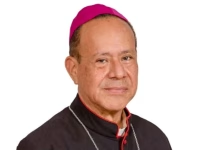
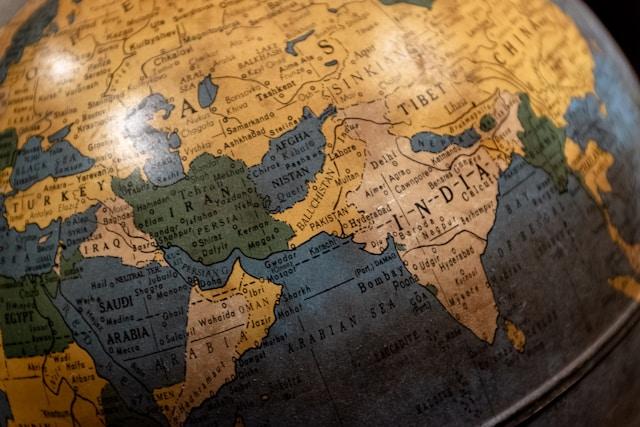
Newsroom (12/07/2026 Gaudium Press ) In a forceful and pastoral appeal to the Catholic Church in Asia, Pope Leo XIV has called on bishops and faithful alike to reject division and instead become “builders of communion,” warning against the fragile ambitions symbolized by the biblical Tower of Babel. The message comes in a formal letter appointing Cardinal Oswald Gracias, Archbishop Emeritus of Bombay, as Special Envoy to the 12th Plenary Assembly of the Federation of Asian Bishops’ Conferences (FABC), scheduled to take place in Jakarta, Indonesia, from 20 to 26 July 2026.
The appointment, first published in L’Osservatore Romano on 23 May, is accompanied by a deeply theological and mission-oriented exhortation. Drawing from his earlier magisterial text Magnifica Humanitas (No. 16), the Pope reiterates a central vision: placing God “on the horizon of our actions” and the human person “at the centre of our decisions.”
“Be builders of communion, not architects of Babel; servants of the Kingdom that is coming, not masters of towers destined to collapse,” the Pope writes, framing the Church’s mission as one grounded in humility, unity, and service rather than power or fragmentation.
A Call to Engage the Present World
Writing in Latin, Pope Leo XIV encourages bishops not to retreat from the complexities of contemporary society but to embrace them with courage. He calls on Church leaders and faithful “not to fear getting their hands dirty at the building site of our time,” emphasizing active engagement with the realities shaping modern Asia.
This metaphor of construction reflects a broader ecclesial vision: a Church that is not distant or abstract, but one embedded in the daily struggles and aspirations of people. The Pope expresses hope that the Church in Asia “may never cease to flourish in faith and in humanity,” highlighting both spiritual vitality and social responsibility.
The Marginalized as Foundation
Central to the Pope’s message is a strong emphasis on the marginalized. Citing Psalm 85, he identifies “the rejected stones—the poor, the sick, migrants, and the little ones” as those who will become the cornerstone of a renewed and just society.
Through the collective commitment of the ecclesial community, he writes, a “common home” can emerge—one that is “strong and welcoming,” where “love and truth will finally meet, and justice and peace will embrace.” This vision aligns closely with longstanding Catholic social teaching, but is framed here with renewed urgency for the Asian context.
Rather than treating vulnerable populations as peripheral, the Pope positions them as foundational to the Church’s mission and to the moral rebuilding of society.
Rejecting Division, Embracing Unity
Adopting what he describes as the “heart of a shepherd and a father,” Pope Leo XIV calls for a decisive shift away from division and toward unity. He urges the faithful “to halt the construction of yet another Babel” and instead collaborate in building what is good.
The warning against “Babel” serves as both a theological and cultural critique—an indictment of fragmentation, self-interest, and projects disconnected from God and human dignity. In contrast, the Pope envisions a world in which humanity rediscovers its inherent beauty and recognizes each person as “the place where God desires to dwell.”
Diplomatic and Ecclesial Context
The letter, dated 24 June, also notes that the request for a papal envoy was made by Cardinal Filipe Neri António Sebastião do Rosário Ferrão, Metropolitan Archbishop of Goa and Damão. The appointment of Cardinal Gracias underscores the importance of the Jakarta assembly, which is expected to address key challenges facing the Church across Asia’s diverse cultural and social landscapes.
Concluding his message, Pope Leo XIV entrusts his envoy and the upcoming assembly to the protection of the Blessed Virgin Mary and Saint Joseph, invoking their guidance for what is expected to be a significant moment of reflection and direction for the Church in Asia.
- Raju Hasmukh with files from Vatican News
Related Images: