










Cebu archbishop calls for fair probe into flood-control scandal as Duterte faces impeachment, highlighting concerns over selective justice.
Newsroom (20/05/2026 Gaudium Press ) A senior Catholic leader has called on the Philippine government to ensure fairness and impartiality in investigating a multibillion-peso flood-control corruption scandal, as political tensions intensify following the impeachment of Vice President Sara Duterte.
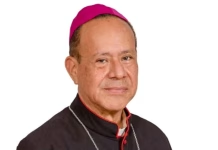
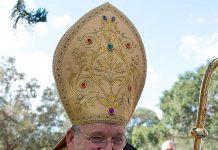
In a pastoral letter dated May 18, Archbishop Alberto Uy of Cebu appealed directly to President Ferdinand Marcos Jr. to conduct a thorough investigation “without favoritism,” warning against any perception that justice is being applied selectively. His remarks come as Duterte faces a Senate impeachment trial on separate charges related to alleged misuse of government funds.
Uy emphasized that public trust hinges on the government’s ability to pursue accountability across political lines. “Justice must never favor only the powerful or the politically convenient,” the archbishop said, reflecting growing concern among Filipinos about uneven enforcement of anti-corruption measures.
Questions of Selective Justice
The archbishop highlighted mounting public skepticism over the pace and scope of investigations. According to Uy, many citizens are asking why certain individuals appear to be prosecuted swiftly, while others allegedly involved in the flood-control scandal have not faced comparable scrutiny.
The controversy centers on billions of pesos earmarked for flood-control infrastructure, funds that were allegedly diverted or misused. Among those implicated in the broader issue is Representative Ferdinand Martin Romualdez, a cousin of President Marcos. Despite these allegations, neither Romualdez nor the president has been charged or formally investigated.
The absence of high-profile accountability has intensified criticism from civil society groups and religious leaders alike, with concerns that political alliances may be influencing enforcement.
Duterte Impeachment Deepens Divide
At the same time, the impeachment of Vice President Sara Duterte has further polarized the nation. On May 11, the House of Representatives voted to impeach the 47-year-old leader, accusing her of misusing approximately US$10 million in discretionary funds and allegedly plotting to assassinate President Marcos.
Duterte, the daughter of former president Rodrigo Duterte, has denied wrongdoing and is expected to face trial in the Senate. She has also declared her intention to run for president in 2028, adding a long-term political dimension to the proceedings.
Observers note that the impeachment has divided the predominantly Catholic population. While many bishops view the process as a necessary mechanism for transparency and accountability, Duterte’s supporters argue she is being politically targeted.
Church Calls for Consistent Accountability
Uy urged fellow bishops to maintain a consistent stance on both issues, calling for equal vigor in addressing corruption allegations beyond the impeachment case. “Be just as strong in urging a swift and credible investigation into the flood-control anomalies as we are in calling for the proper constitutional process regarding the impeachment case,” he said.
The Catholic Church, a powerful moral voice in the Philippines, has been actively engaged in public accountability campaigns. Father Jerome Secillano, executive secretary of the Philippine Bishops’ Commission on Public Affairs, defended the Church against accusations of bias.
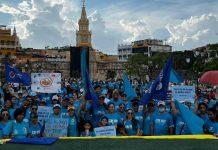
In a social media post, Secillano pointed to a Church-led rally on September 21, 2025, which drew around 100,000 participants demanding accountability in the flood-control scandal. The demonstration, he said, underscored the Church’s commitment to addressing corruption across the board.
Broader Push for Accountability
The impeachment case against Duterte has also drawn support from religious groups. Two Catholic priests and several nuns were among the 16 individuals who filed complaints against her, part of a broader coalition that pushed the House to act.
Meanwhile, activist organizations have echoed the archbishop’s concerns. Renato Reyes, president of the Bayan group, said the lack of prosecutions tied to the flood-control scandal reinforces perceptions of selective justice.
Reyes noted that he and other activists filed an impeachment complaint against President Marcos on January 22, alleging involvement in the same scandal. The House of Representatives dismissed the complaint, citing insufficient grounds, as it did with a similar filing.
“As no big fish have been held to account, justice will really look selective,” Reyes said, stressing that accountability must apply to all individuals regardless of rank or political affiliation.
A Test of Governance
The twin controversies — Duterte’s impeachment and the unresolved flood-control scandal — have become a critical test for the Marcos administration’s commitment to transparency and the rule of law.
Archbishop Uy’s intervention reflects a broader demand for institutional credibility at a time when public confidence is under strain. His message underscores a simple but powerful principle: that justice must be even-handed to be legitimate.
Whether the government can address these concerns may shape not only the outcome of the current political crisis but also the public’s trust in democratic institutions in the years ahead.
- Raju Hasmukh with files from UCA News
Related Images: