













Egypt announces two major archaeological discoveries: a Byzantine-era city in Dakhla Oasis and 18 ancient tombs at Marina el-Alamein.
Newsroom (07/07/2026 Gaudium Press ) Egypt has announced two significant archaeological discoveries in its western desert and Mediterranean coastal regions, uncovering a remarkably preserved Byzantine-era residential city at the Dakhla Oasis and 18 ancient tombs at the Marina el-Alamein archaeological site near Alexandria.
The findings, revealed by Egypt’s Tourism and Antiquities Ministry, offer rare insights into urban life, religious practices, trade, and funerary customs spanning the late Roman and Byzantine periods. Officials hope the discoveries will further enhance Egypt’s reputation as a global archaeological destination and support a tourism sector that remains a critical source of foreign currency alongside the strategic Suez Canal.
Byzantine-Era Settlement Reveals Daily Life in Dakhla Oasis
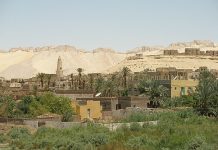
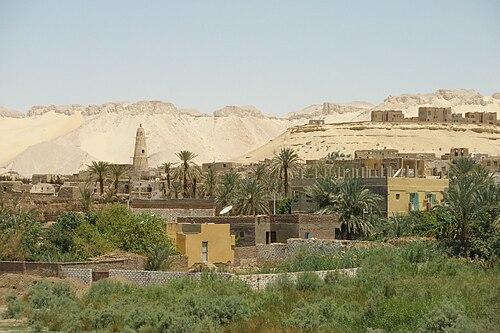
The first discovery centers on the Dakhla Oasis in Egypt’s New Valley province, where archaeologists uncovered an extensive fourth-century residential settlement dating from the period when Egypt was part of the Byzantine Empire.
According to ministry officials, the newly unearthed city displays a sophisticated urban layout. North-to-south thoroughfares intersect with east-to-west streets, creating organized public squares and communal spaces that provide valuable evidence of city planning during the Byzantine era.
At the forefront of the settlement stands a basilica church dating to the middle of the fourth century. Positioned prominently above the city’s main streets, the structure appears to have served as an important religious and civic landmark. Archaeologists also identified the remains of two watchtowers that once protected the settlement’s outer boundaries.
The excavation further revealed a heavily fortified structure characterized by substantial defensive walls, underscoring the importance of security in the region. Numerous residential buildings were also uncovered, many featuring reception halls and vaulted roofs that demonstrate the architectural sophistication of the period.
One of the most notable discoveries is the residence of a church deacon named Tisous, dating to the second half of the fourth century. Researchers believe the building may have functioned as a house church before the construction of the city’s larger basilica, offering a glimpse into the evolution of Christian worship practices in the region.
Artifacts Shed Light on Economy and Society
Beyond architecture, the site yielded a wealth of artifacts illustrating daily life and economic activity.
Archaeologists uncovered bread ovens, kitchens, and stone grinding tools that were likely used in food production, painting a vivid picture of the settlement’s self-sustaining economy. These finds suggest an active community engaged in agriculture, food processing, and local commerce.
Particularly significant are the well-preserved bronze coins discovered at the site. The coins bear portraits of Byzantine emperors along with Latin inscriptions and Christian symbols, reflecting the political and religious influences of the era. Excavators also recovered a collection of gold coins dating to the reign of Roman Emperor Constantius II, who ruled between 337 and 361 AD.
Another exceptional find consists of approximately 200 pottery fragments known as ostraca, which were commonly used as writing materials in antiquity. The inscriptions recorded on these fragments detail commercial transactions, correspondence, and various aspects of everyday life. Researchers believe the texts could provide valuable evidence about trade networks, administration, and social relationships within the settlement.
The Dakhla Oasis itself holds particular significance as it is currently included on UNESCO’s Tentative List, placing it one step closer to possible inscription on the World Heritage List.
Ancient Tombs Discovered at Marina el-Alamein
In a separate excavation, archaeologists working at the Marina el-Alamein site uncovered 18 previously unknown tombs, expanding knowledge of one of Egypt’s most important Greco-Roman archaeological locations.
The newly identified burial complex includes 11 rock-cut tombs, averaging more than 25 feet in depth, as well as seven above-ground tombs built from limestone. The latest discoveries increase the total number of tombs documented at the site to 48.
Excavations uncovered a variety of burial-related artifacts, including pottery vessels, amphorae, lamps, plates, altars, and limestone basins. Together, these objects provide important clues about funerary rituals and daily life in the ancient coastal community.
Among the most striking discoveries was an eight-foot-long granite sarcophagus containing skeletal remains that are currently undergoing scientific examination. Nearby, archaeologists also recovered fragments of a plaster sphinx statue, adding another layer of historical intrigue to the site.
Evidence of Ancient Funerary Beliefs
Researchers also identified four gold pieces placed inside the mouths of some of the deceased, a practice known as the “golden tongue.” The custom was associated with ancient funerary beliefs and was intended to assist the dead in communicating in the afterlife.
The discovery offers valuable evidence of burial traditions practiced in the region during the Greco-Roman period and contributes to a broader understanding of cultural and religious beliefs in ancient Egypt’s Mediterranean settlements.
Marina el-Alamein, located about 62 miles west of Alexandria on Egypt’s northern coast, was first unearthed in 1986. Archaeologists believe the site is the ancient Greco-Roman port city of Leukaspis, established in the second century AD and flourishing until the fourth century.
Boost for Egypt’s Tourism Sector
The dual discoveries arrive as Egypt continues to experience a strong recovery in tourism after years of challenges stemming from political instability following the 2011 uprising and the global impact of the coronavirus pandemic.
Official figures show that Egypt welcomed a record 19 million tourists last year, representing a 21 percent increase compared with 2024. The growth has continued into 2026, with 6.1 million visitors recorded during the first four months of the year, up from 5.7 million during the same period in 2025.
As Egypt expands its archaeological portfolio with discoveries ranging from Byzantine urban centers to ancient tomb complexes, officials hope these new findings will attract even more international visitors, reinforcing the country’s position as one of the world’s premier destinations for history and cultural heritage tourism.
- Raju Hasmukh with files from Vatican News
Related Images: