




















Conference in Puebla marks 100 years since the Cristero War, highlighting religious freedom, historical memory, and modern ideological challenges.
Newsroom (03/07/2026 Gaudium Press ) As Mexico commemorates the 100th anniversary of the beginning of the Cristero War, a conference planned in the Puebla metropolitan area aims to encourage reflection on religious freedom and the continuing challenges facing people of faith. Organizers argue that while the conflict of the 1920s has long ended, the struggle for religious liberty remains ongoing in a different form.
“The war continues,” said Mary Carmen Cervantes, local head of the Cristero National Guard in Puebla. According to Cervantes, the threats facing religious believers today are no longer military but ideological in nature.
She pointed to what she described as attacks on “the most sacred thing of the human being, which is identity and family,” citing the abortion agenda and gender ideology as examples. In response to these challenges, Cervantes emphasized the importance of courage among believers.
“It is important not to be afraid, to be brave,” she said, adding that “Christ assists us.”
Preserving the Memory of the Cristeros
The Cristero National Guard traces its origins to 1928, when it was founded by renowned Cristero General Enrique Gorostieta, two years after the outbreak of the Cristero War. Nearly a century later, the organization is integrated into the Episcopal Dimension for the Laity (DELAI) of the Mexican Episcopal Conference.
Its members continue to promote the memory of those who died during the religious persecution of the early twentieth century, honoring individuals who they regard as having sacrificed their lives in defense of freedom of worship.
As part of these efforts, the Great Cristero Congress will take place on Saturday, July 11, in San Juan Cuautlancingo, within the Archdiocese of Puebla. The event will be hosted at the Casa del Campesino “Ramón Ibarra.”
Bringing a Hidden History to Light
According to Cervantes, one of the congress’s primary goals is to raise awareness about a period of Mexican history that she believes has not received sufficient attention.
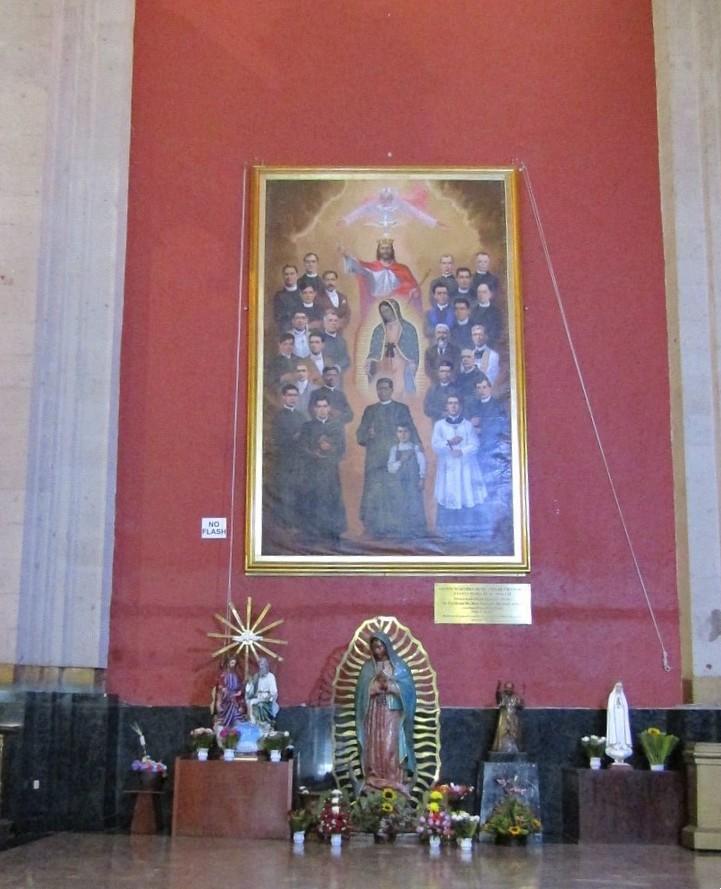
“We want to make known that in Mexico we suffered religious persecution,” she said, noting that the period produced “many saints and blesseds.”
“That story was hidden for a long time,” she added.
The congress program will begin at 10:00 a.m. with the reception of relics belonging to saints and blessed martyrs associated with the religious persecution experienced in Mexico during the first half of the twentieth century.
At 11:00 a.m., Father Israel Tapia Arroyo, a priest and historian from the Diocese of Cuernavaca, will celebrate Holy Mass. Later, at 12:30 p.m., he will deliver a lecture titled “When Mexico Defended Its Faith.”
The afternoon schedule will continue at 3:00 p.m. with a presentation by Ramón Gonzales Gonzales, national head of the Cristero National Guard. His address will focus on Cristero memory, as well as the role played by the Women’s Brigades of Saint Joan of Arc, an organization that supported the Cristero movement during the conflict.
At 5:00 p.m., researcher María del Carmen Cordero González will discuss the life and legacy of Saint Toribio Romo, the martyr priest widely recognized as the patron saint of migrants.
The event is scheduled to conclude around 6:00 p.m. with a ceremonial tribute known as “Honors to the Fallen,” dedicated to those who died during the period of religious persecution.
A Contemporary Battle Against Indifference
For Cervantes, the significance of the centennial extends beyond historical remembrance. She believes modern Catholics face a different but equally important struggle: overcoming indifference.
“One hundred years after the Cristero War, we are fighting against something strong, which is indifference,” she said. She described a growing “coldness” that results in fewer believers being willing to publicly defend their faith.
Cervantes pointed to demonstrations associated with the abortion-rights movement, particularly marches involving participants wearing green scarves, arguing that such events sometimes include acts of damage against Catholic churches.
“How many people and how many women defend their churches?” she asked.
In this context, she believes that studying the lives and witness of the Cristero martyrs can serve as a source of inspiration for contemporary believers. By learning about their experiences, she said, Catholics can “immerse ourselves and be clothed in that courage.”
As Mexico marks a century since the outbreak of the Cristero War, organizers of the Puebla congress hope that revisiting the memory of those who endured religious persecution will not only preserve an important chapter of national history but also encourage renewed engagement in the defense of religious freedom today.
- Raju Hasmukh with files from ACI Prensa
Related Images: