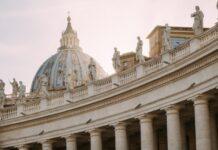













The landscape of the Catholic Church in the U.S. is changing quickly. This shift is driven by a steady stream of new members from all over the world.
Many people thought the Church was shrinking in America. However, new data from 2024 and 2025 show a surprising turn.
For the first time in 20 years, more people are joining the Church than leaving it. In Canada, a parish in Nanaimo, BC, saw its weekend attendance jump from 650 to 1,100 between January 2024 and 2025.
That kind of growth is not an accident. It is the result of a huge demographic change. Immigrants and their children now make up nearly half of all Catholics. They are bringing a new energy to old parishes. They are filling the pews and the seminaries.
Here, we’ll walk you through how immigrant communities are helping the Catholic church grow.
Faith That Is Lived, Not Just Spoken
In many immigrant communities, faith is not something just for Sunday morning. It is a way of life that fills the home and the streets. This is often called lived religion. It focuses on physical actions, devotions, and public celebrations. This type of faith is helping revitalize parishes that were once quiet.
Hispanic Catholics are leading the way in daily religious practices. They often use religious items like crosses or medals in their daily lives. About 56% of Hispanic Catholics wear or carry religious items at least once a month.
Nearly half of Hispanic Catholics also practice devotions to Mary or a favorite saint every month. These practices are not just for show. They are deep expressions of faith that help keep people connected to the Church.
Catholic immigrants from Africa, particularly Nigeria, are bringing a new energy to worship.
In parishes like the Nigerian Igbo Catholic Community in California, Mass is a passion-filled event. It often includes joyful singing and dancing. This style of worship is very different from traditional American Masses. It reminds people that faith should be a source of great joy.
Supporting the Infrastructure of Faith
Many old Catholic parishes in big cities were in trouble some time ago. They had few members and were running out of money. Immigrant communities have stepped in to save these buildings and programs. They are providing the people and the funds needed to keep the doors open.
But the church’s infrastructure today goes beyond buildings and budgets. It also includes the ability to communicate, teach, and minister across languages and cultures.
As congregations become more diverse, dioceses increasingly need educators and pastoral staff who understand the linguistic realities of their communities.
Take Canada, for instance. According to Remote, a global HR and payroll platform, “with a GDP of nearly $2 trillion in 2020, Canada has a robust economy with workers in a variety of critical industries.”
No wonder it’s a top destination for immigrants worldwide. The country receives most immigrants from India and China. Mandarin, Cantonese, Hindi, Punjabi, and other regional languages shape how faith is taught and received.
To meet this demand, churches in Canada may seek to hire teachers fluent in these languages to provide culturally responsive religious education. Managing such hires efficiently is where a Canada Employer of Record (EOR) becomes valuable.
An EOR hires employees while maintaining compliance with the laws of different provinces or territories in Canada. Remote explains that an EOR generally handles HR administration, payroll processing, and tax compliance, while also ensuring that employee benefits packages meet local legal standards.
Bringing New Life to Parish Communities
Parish life is being renewed by the presence of multicultural families. They are introducing new traditions that bring people together. These traditions often become the highlight of the parish year.
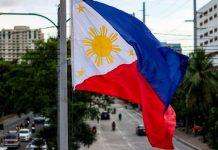
The Filipino tradition of Simbang Gabi is a great example of this renewal. This is a series of nine Masses held before Christmas.
In the U.S., parishes often hold these in the evenings. They decorate the church with parols, which are star-shaped lanterns. These masses draw huge crowds. In some places, they even feature concerts of traditional carols by Filipino priests.
This tradition is not just for Filipinos. It is open to everyone. It helps people from different backgrounds celebrate their faith together. It creates a sense of belonging for those who may be far from their own families during the holidays.
Another important tradition is the St. Joseph’s Altar. This was brought to the U.S. by Sicilian immigrants. It started as a way to thank St. Joseph for ending a famine in the Middle Ages. Today, these altars are filled with bread, pasta, and fava beans. After the altar is blessed, the food is shared with everyone, especially the poor.
These public celebrations are a powerful way to show faith to the world. They turn the parish into a place of welcome and generosity.
A Church Renewed Through Diversity
Immigrant communities are not just part of the Catholic Church in America. They are the primary reason the Church is growing and staying active. Their contributions go beyond numbers; they touch the soul of the Church itself.
As the Church continues to navigate change, one thing is clear: immigrant communities are not just helping the Catholic Church grow, but they are helping it flourish. And in their joy, resilience, and devotion, they offer a hopeful glimpse of the Church’s future.
Sponsored content by Danielle Fergusson
Related Images: