










Three years after Pope Francis’ historic penitential pilgrimage to Canada, its impact continues to inspire action and hope, particularly in this Jubilee Year of Hope.
Newsroom (10/10/2025, Gaudium Press ) As Canadians marked the National Day for Truth and Reconciliation on Sept. 30, Catholics across the country joined in solidarity, reflecting on the ongoing journey of healing with Indigenous communities. The following weekend, Oct. 4-5, parishes nationwide participated in the annual Indigenous Reconciliation Fund (IRF) collection, a cornerstone of the Canadian Catholic Church’s commitment to reconciliation. Three years after Pope Francis’ historic penitential pilgrimage to Canada, its impact continues to inspire action and hope, particularly in this Jubilee Year of Hope.
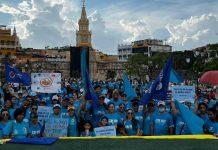
Noah MacDonald, a canon lawyer in the Archdiocese of Toronto and a member of the Michipicoten First Nation, has witnessed significant progress in reconciliation efforts since the late Pope’s 2022 visit. “The penitential pilgrimage of Pope Francis still resonates deeply with Canadian Catholics as the momentum of ‘Walking Together’ continues,” MacDonald said. “I’ve seen a sea of orange shirts at parishes, including those serving new Canadians, and church knitting groups selling crafts to support the IRF. This grassroots embrace of reconciliation fills me with hope.”
Established in 2022 by the Canadian Conference of Catholic Bishops (CCCB), the IRF aims to raise $30 million over five years to support Indigenous-led initiatives. To date, the fund has collected over $21 million, with projections suggesting the target may be met or exceeded by 2027. (Final figures for this year’s collection were unavailable by press time.)
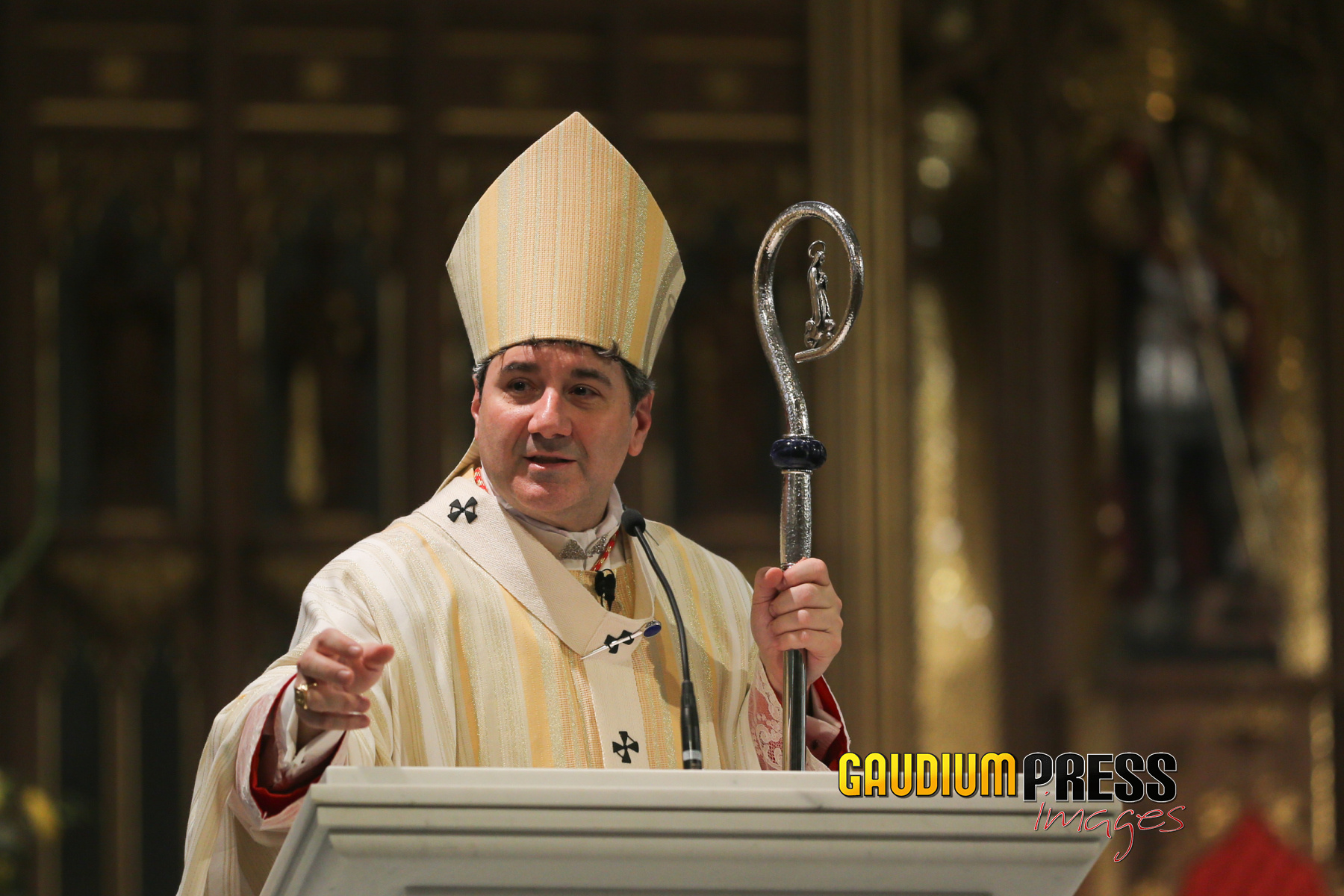
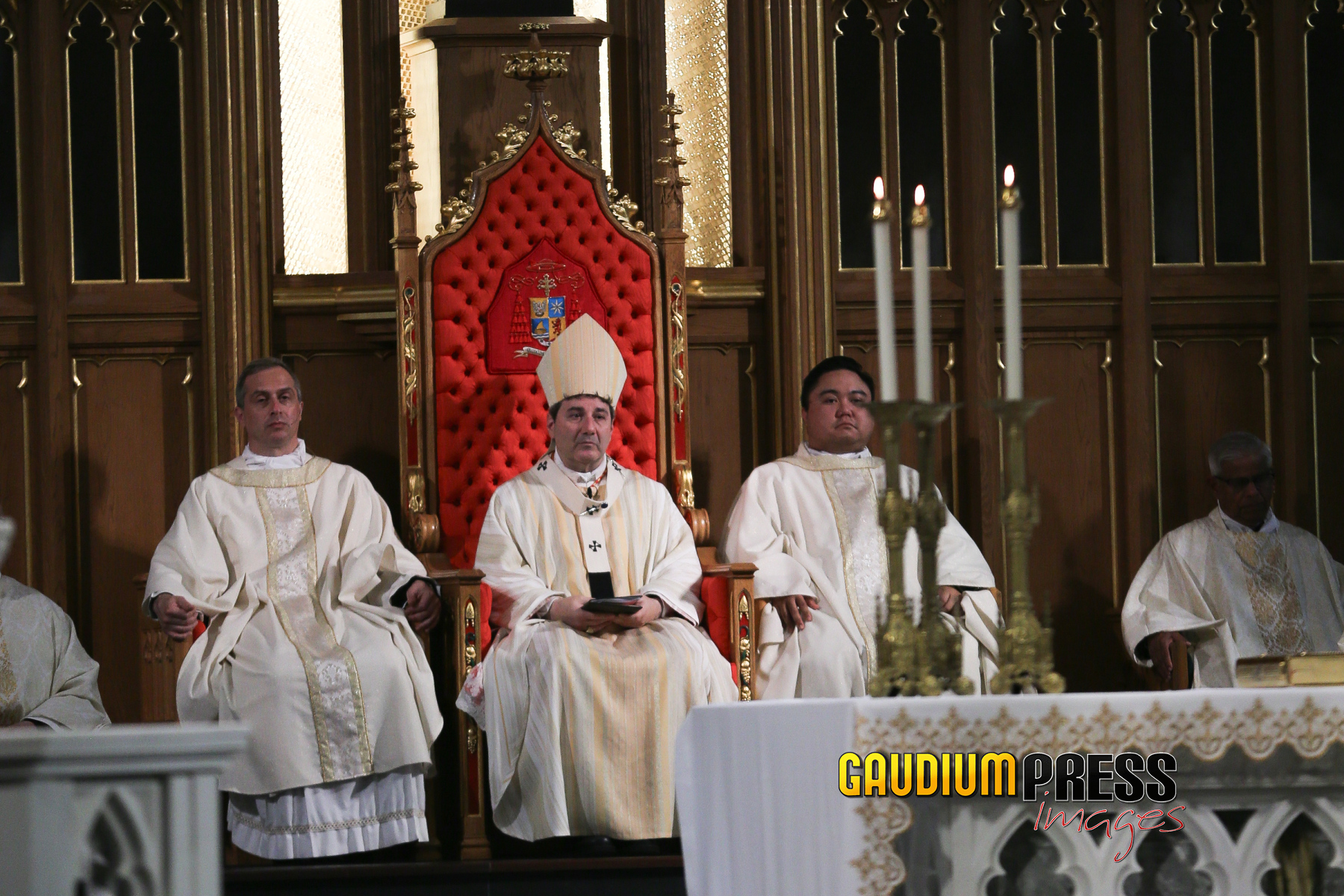
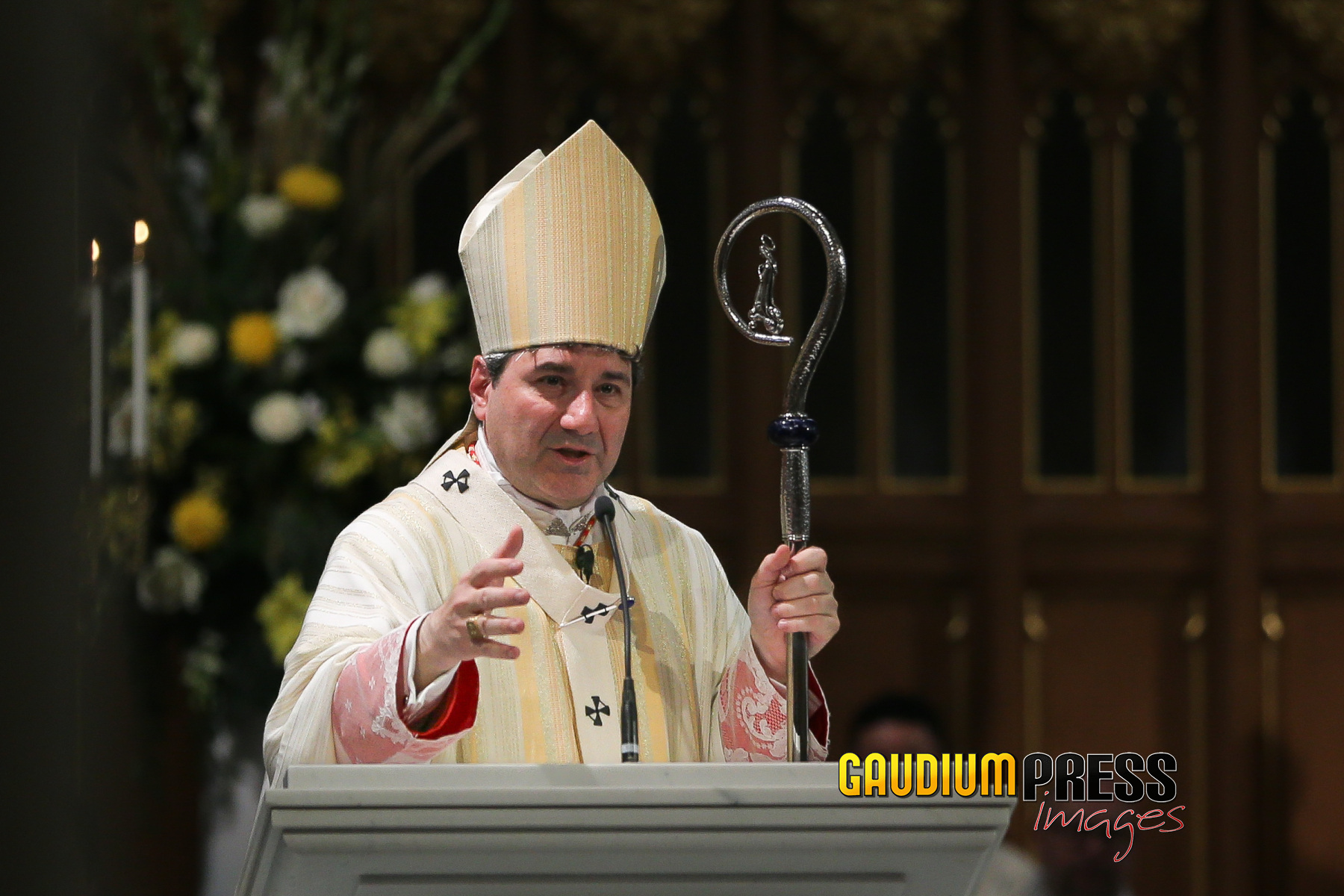
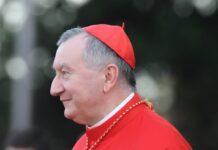
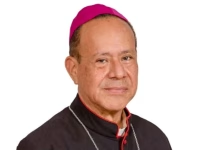
In a letter to the faithful, Toronto’s Cardinal Francis Leo emphasized the significance of reconciliation during this Jubilee year. “We are invited to discern how we may reconcile with those who have caused us pain and to build anew relationships fractured in the past,” he wrote. “Despite his frailty, Pope Francis travelled to Canada in 2022 to invite us to walk together with Indigenous peoples and reflect on their pain and suffering.”
The IRF has already allocated $3.1 million to projects supporting First Nations, Métis, and Inuit communities. Notable initiatives funded by the Archdiocese of Toronto include Embrace Life Council’s grief care packages, Native Child and Family Services of Toronto’s culture camps, Teach for Canada’s support for educators in remote First Nation schools, and the Ontario Native Women’s Association’s culturally grounded healing programs.
MacDonald highlighted the fund’s role in fostering collaboration. “IRF grants support grassroots and national efforts, bringing communities together,” he said. “For instance, Kateri Native Ministry in Ottawa is hosting a program by Returning to Spirit from Winnipeg, held at the Anishinabe Spiritual Centre in the Diocese of Sault Ste. Marie. This shows how the IRF is building networks for reconciliatory action.”
Cardinal Leo concluded his letter by urging Catholics to remain “pilgrims of hope,” echoing Pope Francis’ words at Lac Ste. Anne, Alta., in 2022: “May the Lord help us move forward in the healing process, towards an ever more healthy and renewed future.”
For MacDonald, sustaining this momentum is critical. “As we approach the end of the five-year IRF commitment, we must consider the future of diocesan IRF committees and how they can continue fostering Indigenous-Catholic relationships for generations,” he said. With parishes and communities united in this mission, the Church’s journey of reconciliation shows no sign of slowing.
- Raju Hasmukh with files from Catholic Register
Related Images: