








Cardinal Koch marks 100 years since Malines Conversations, urging Anglican-Catholic unity despite challenges, in Mechelen’s historic commemoration.
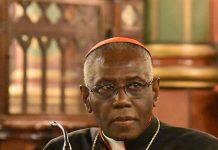
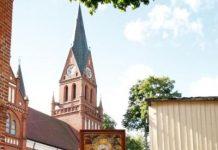
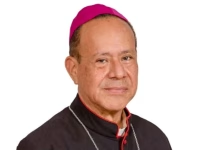
Newsroom (10/10/2025, Gaudium Press )In a historic commemoration at Saint Rumbold’s Cathedral in Mechelen, Cardinal Kurt Koch, Prefect of the Dicastery for Promoting Christian Unity, reflected on a century of Anglican-Catholic dialogue since the Malines Conversations of 1921–1925. Speaking to an audience of clergy, theologians, and ecumenical leaders, Koch hailed the Conversations as a “milestone” while acknowledging persistent challenges to Christian unity.
The Malines Conversations, initiated by Cardinal Désiré-Joseph Mercier and driven by figures like Lord Halifax and l’Abbé Portal, marked the first significant theological engagement between Anglicans and Catholics since the Reformation. Though inconclusive, the talks laid groundwork for the Catholic Church’s embrace of ecumenism at the Second Vatican Council, which recognized the Anglican Communion’s “special place” among Western churches. The 1966 meeting between Archbishop Michael Ramsey and Pope Paul VI, culminating in the symbolic exchange of a papal ring, solidified this warming relationship and led to the formation of the Anglican-Roman Catholic International Commission (ARCIC).
“Anglicans and Catholics are no longer strangers,” Koch declared, citing ARCIC’s extensive work on Eucharistic doctrine, ministry, authority, and moral discernment. The commission’s efforts, alongside initiatives like the International Anglican-Roman Catholic Commission for Unity and Mission (IARCCUM), have fostered unprecedented collaboration. Regular Vatican visits by Anglican leaders and the Anglican Centre in Rome underscore this progress.
Yet, Koch cautioned, the journey remains “slow and difficult.” Internal divisions within the Anglican Communion, particularly over women’s ordination and human sexuality, have intensified since 2008, when Cardinal Walter Kasper questioned the Communion’s cohesion. Some Anglican churches now reject the Archbishop of Canterbury’s leadership, complicating ecumenical dialogue. “Such profound division makes reconciliation between separated communions more complex,” Koch said, urging renewed commitment to theological dialogue over mere practical cooperation.
Prayer, Koch emphasized, is the cornerstone of ecumenism. Quoting Pope Benedict XVI, he described it as the “broad current” driving the movement, a sentiment echoed in joint Anglican-Catholic worship at the cathedral’s Choral Evensong. Pope Leo XIV, elected in May 2025, has made Christian unity a priority, advocating for “full and visible communion” among believers. The Vatican’s 2024 document, The Bishop of Rome: Primacy and Synodality in Ecumenical Dialogues, has sparked constructive responses from the Anglican Communion, offering hope for resolving differences over primacy and synodality.
As the Church marks the 1,700th anniversary of the Council of Nicaea, Koch invoked Pope Leo XIV’s motto, In illo uno unum—“in the One, we are one.” He called for a return to the Apostolic Faith rooted in Christ, urging perseverance in the face of theological, pastoral, and cultural challenges. “The scandal of division weakens the Gospel’s credibility,” he said, emphasizing the urgency of unity in a secular world.
The Mechelen commemoration, supported by Archbishop Luc Terlinden and Cardinal Jozef De Kesel, reaffirmed the enduring legacy of Cardinal Mercier’s vision. As Anglicans and Catholics continue their shared journey, Koch’s address served as both a celebration of progress and a sober reminder of the work ahead.
- Raju Hasmukh with files from The Vatican
Related Images: