









Cardinal Pietro Parolin cautions that preventive wars erode international law and risk setting the world ablaze through power-driven politics.
Newsroom (05/03/2026 Gaudium Press ) Cardinal Pietro Parolin, the Vatican’s Secretary of State, has voiced grave concern over what he calls the world’s “erosion of international law,” warning that preventive wars and power-based diplomacy threaten to engulf the globe in uncontrolled conflict.
Speaking to Vatican News about the escalating violence in the Middle East, Parolin described “great sorrow” at the renewed suffering of local populations—including vulnerable Christian communities—once again “plunged into the horror of war.” He echoed Pope Francis’ words at Sunday’s Angelus, referring to the conflict as “a tragedy of enormous proportions” that risks pushing humanity toward “an irreparable abyss.”
“The Law of Force” Replacing “The Force of Law”
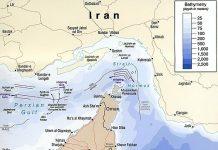
Parolin’s comments came in the wake of a U.S. and Israeli attack on Iran, justified by Western leaders as a preventive measure against new missile production. The cardinal forcefully rejected this rationale, insisting that “recourse to force must be considered only as a last and most grave resort,” and only after all political and diplomatic avenues have been exhausted within multilateral frameworks such as the United Nations.
“If states were to be recognized as having a right to ‘preventive war,’ according to their own criteria and without a supranational legal framework, the whole world would risk being set ablaze,” he warned. “Justice has given way to force; the force of law has been replaced by the law of force.”
A Crisis of Multilateralism and Diplomacy
Parolin lamented a growing “multipolarism marked by the primacy of power and self-referentiality,” noting that international diplomacy has entered a profound crisis. He attributed this to states’ increasing mistrust of legal constraints and their desire to “act freely, to impose one’s own order on others,” rather than engage in the “noble toil of politics” through dialogue and negotiation.
The cardinal connected this mindset to broader moral decay: “What has been lost is the awareness that the common good truly benefits everyone.” This loss, he said, undermines the very principles that inspired the creation of the United Nations and the European Union—institutions meant to prevent war through shared governance and collective security.
Double Standards in Global Outrage
Parolin also condemned selective enforcement of international law, noting how outrage is often “mobilized” in some cases but “ignored or weakened” in others. Such moral inconsistency, he argued, cheapens the value of human life: “There are no first-class and second-class dead, nor people who have more right to live than others simply because they were born on one continent rather than another.”
He reiterated the Holy See’s firm stance against any targeting of civilians or civilian infrastructure, calling for respect for international humanitarian law: “The inviolability of human dignity and the sacredness of life must always be protected.”
Hope Rooted in Faith and Responsibility
Despite the bleak outlook, Cardinal Parolin urged persistence in peace efforts. Quoting Pope Leo XIV’s appeal to world leaders, he expressed hope that “the din of weapons will soon cease and that we may return to negotiation.” Negotiation, he said, must never be emptied of meaning but allowed “time to reach concrete results, working with patience and determination.”
He also called for the renewal—not rejection—of international institutions: “Without nostalgia for the past, it is necessary to resist every delegitimization of international bodies and to strengthen supranational norms that help states resolve disputes peacefully.”
For Parolin, hope remains central to the Christian perspective. “Christians hope because they trust in God made man,” he said. Even amid destruction and uncertainty, faith sustains the belief that humanity can resist the “horror of blind and senseless violence.”
Across nations, he insisted, voices continue to cry out for peace. “Our peoples are asking for peace,” Parolin concluded. “This appeal should shake those who lead nations and all those working in international relations, urging them to multiply their efforts for peace.”
- Raju Hasmukh with files from Vatican News
Related Images: