























AMECEA bishops in Nairobi place youth at the center of the Church’s mission, making young people the region’s pastoral priority for four years.
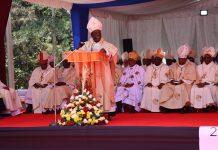
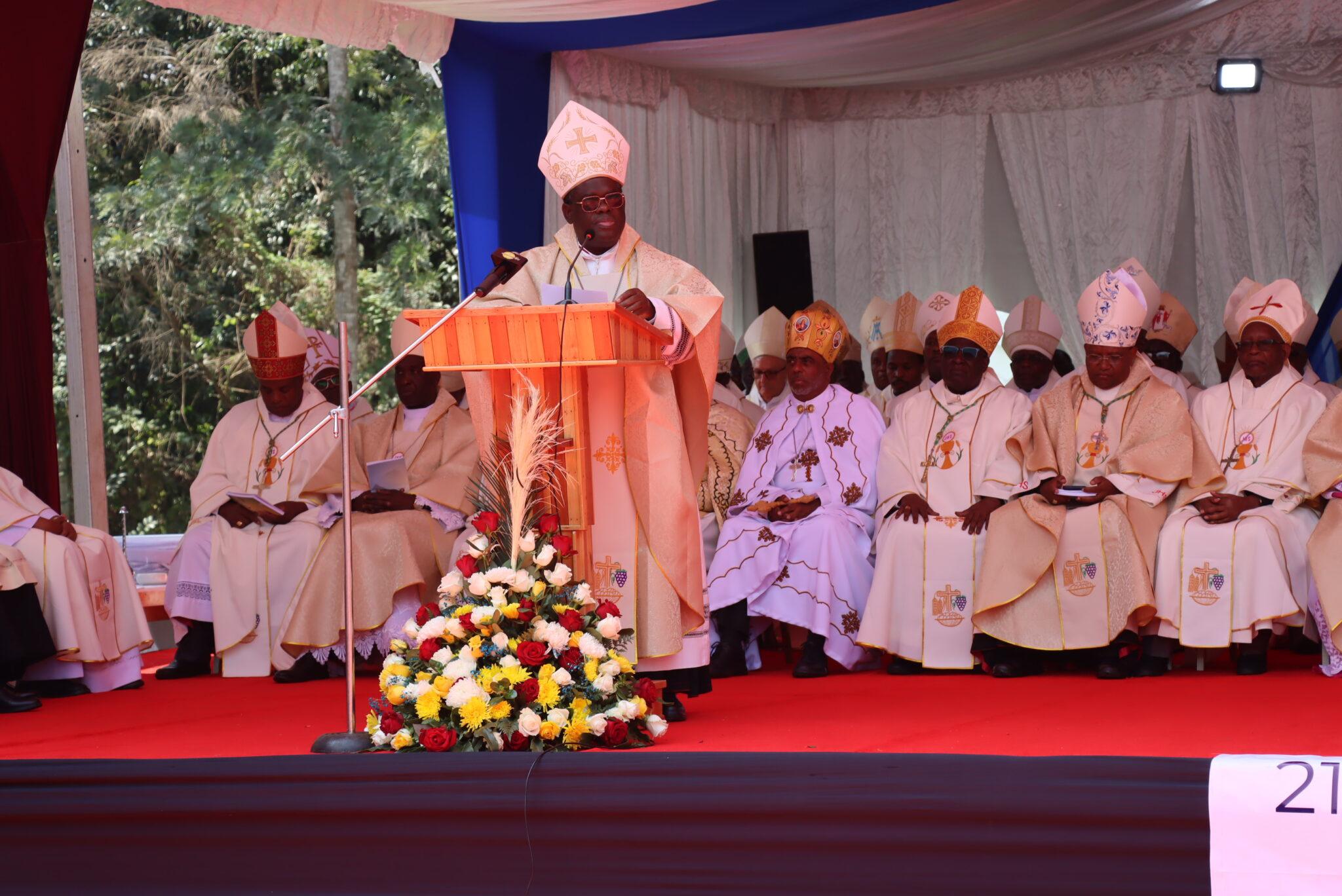
Newsroom (21/07/2026 Gaudium Press ) Young people emerged as the central focus of discussions at the 21st Plenary Assembly of the Association of Member Episcopal Conferences in Eastern Africa (AMECEA), which opened on July 19 at the Catholic University of Eastern Africa (CUEA) in Nairobi.
The gathering has brought together approximately 140 bishops from across Eastern Africa, representing the Episcopal Conferences of Ethiopia, Eritrea, Kenya, Malawi, South Sudan, Sudan, Tanzania, Uganda, and Zambia. Also participating are representatives from the Apostolic Vicariates of Djibouti and Somalia, affiliated members of the regional association.
Throughout the opening sessions, Church leaders emphasized the importance of engaging young people more actively in both ecclesial life and the broader social development of their nations. Their message was one of encouragement, responsibility, and hope, reflecting a growing commitment to address the aspirations and challenges facing the region’s youth.
In his opening address, Archbishop Maurice Muhatia Makumba of Kisumu, President of the Kenya Conference of Catholic Bishops, delivered a direct appeal to young people across Eastern Africa.
“The Church loves you, believes in you, and invites you to participate fully in the life and mission of the Church and in the life of your respective countries,” the archbishop said. “Together, let us build societies founded on love, justice, unity, faith, and the enduring values of our Catholic and Christian tradition.”
His remarks underscored the Church’s vision of youth not only as beneficiaries of pastoral outreach but also as active partners in shaping society and advancing the Church’s mission.
The theme of hope was echoed during the Assembly’s opening Mass by Cardinal Michael Czerny, Prefect of the Dicastery for Promoting Integral Human Development. In his homily, the cardinal urged young people and the wider Church community to remain confident in the future despite contemporary challenges.
“Do not be robbed of hope,” Cardinal Czerny said.
Drawing on Pope Leo XIV’s encyclical Magnifica Humanitas, he highlighted the Pope’s teaching that dialogue remains an essential tool for preventing conflict and rebuilding trust among nations. The message linked the Church’s pastoral priorities with broader concerns for peace, reconciliation, and social cohesion across the region.
A significant announcement came from AMECEA President Bishop Charles Joseph Sampa Kasonde of Solwezi, Zambia, who declared that young people would become the Catholic Church’s pastoral priority throughout the region for the next four years.
“The bishops of AMECEA make young people our pastoral priority for the next four years for three reasons: We want to demonstrate that young people are worth the effort and to help them develop a sense of belonging to this Holy Mother Church,” Bishop Kasonde said.
The announcement marks a strategic commitment by the region’s bishops to invest greater attention and resources in youth ministry, recognizing the vital role young people play in the future of both the Church and society.
The Assembly’s focus on youth extends beyond ecclesiastical concerns and has attracted the attention of political leaders. Representatives of local institutions participated in the opening proceedings, signaling shared interest in issues affecting the region’s young population.
Among those present was Kenya’s Prime Cabinet Secretary Musalia Mudavadi, who addressed the gathering on behalf of President William Ruto. Mudavadi called for stronger cooperation among Eastern African nations to advance peace, good governance, and youth empowerment.
According to the Kenyan official, these three pillars are critical to achieving sustainable development and long-term economic growth across the region.
Mudavadi also acknowledged the Catholic Church’s ongoing efforts to equip young people with “the right values, skills and opportunities,” stressing the importance of collaboration between faith communities and government institutions.
“Together we can unlock Africa’s immense potential and secure a more stable and prosperous future,” he said.
As deliberations continue in Nairobi, the Assembly’s strong emphasis on youth signals a shared conviction among Church leaders that the future of Eastern Africa depends significantly on the empowerment, formation, and participation of its younger generations. Through a combination of pastoral commitment, dialogue, and regional cooperation, AMECEA’s bishops are seeking to place young people at the center of both the Church’s mission and the region’s development agenda.
- Raju Hasmukh with files from FIdes News
Related Images: