









Vatican reveals June 26–27 Consistory agenda as cardinals discuss global conflicts, Church communication, and synodal renewal under Pope Leo XIV.
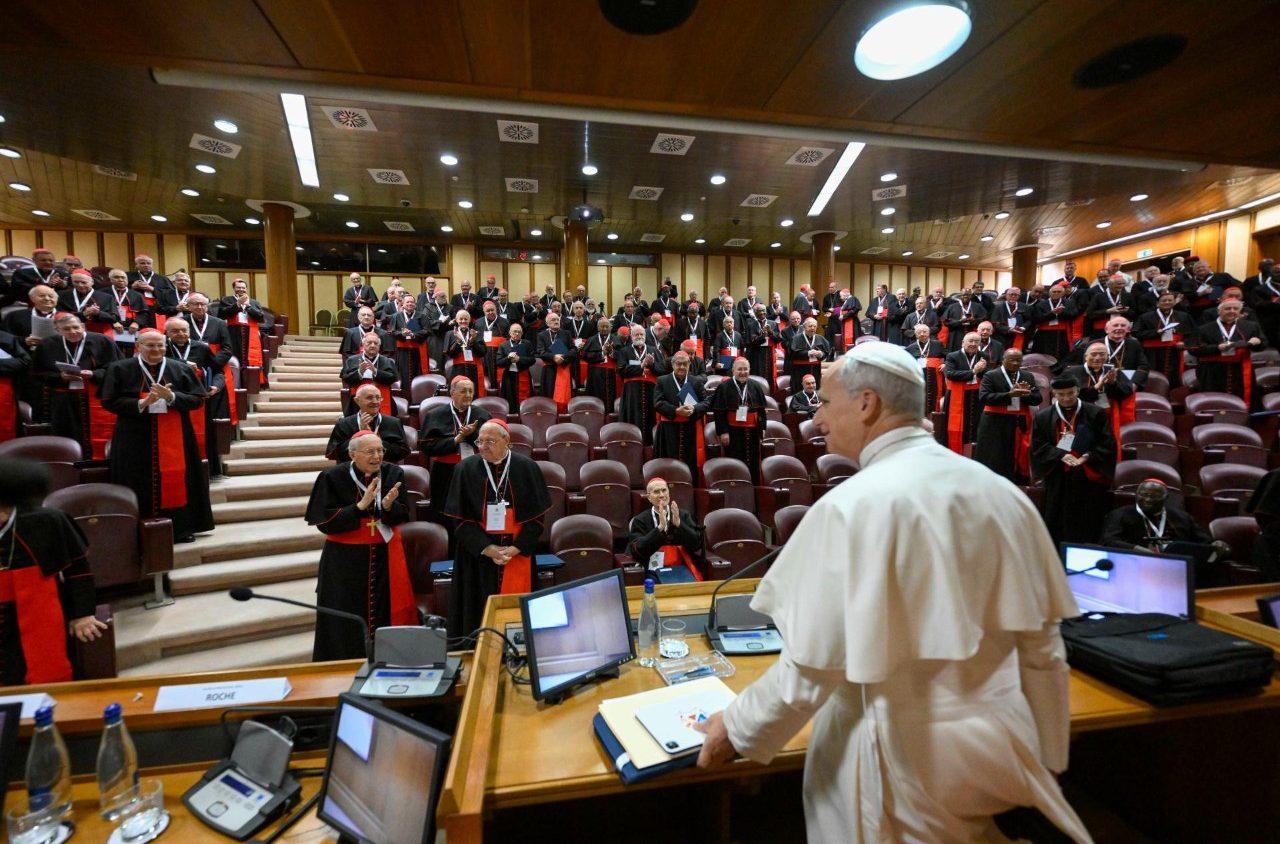
Newsroom (23/06/2026 Gaudium Press ) The Holy See Press Office has released the official programme for the Extraordinary Consistory of Cardinals scheduled for June 26–27, a key gathering that will take place just days before the Solemnity of Saints Peter and Paul. The meeting represents a pivotal moment in Pope Leo XIV’s pontificate, as he brings together members of the College of Cardinals to deliberate on pressing global issues and the Church’s evolving mission.
This upcoming assembly marks the second Consistory convened by Pope Leo XIV, following a major meeting in January that drew 170 cardinal electors and non-electors from across the globe. At the conclusion of that earlier gathering, the Pope signaled the importance of continued collaboration, telling the Cardinals: “I feel and experience the need to be able to count on you.”
A Synodal Method for Deliberation
According to the Vatican programme, the June Consistory will follow a distinctly “synodal” methodology. This approach emphasizes spiritual discernment through prayer, silence, personal reflection, group dialogue, and plenary discussions. Such a format reflects the broader shift within the Church toward inclusive and participatory processes of decision-making.
To foster openness and trust, participants have been instructed to maintain strict confidentiality regarding their discussions. Cardinals are also asked not to make public statements during the Consistory, ensuring what the Vatican describes as an atmosphere of “fraternal exchange.”
Structured Reflection Across Four Sessions
The Cardinals will be divided into 20 working groups, each guided by a president responsible for moderating discussions and a secretary tasked with compiling contributions and drafting final reports. The composition of these groups reflects the diversity within the College of Cardinals.
Nine groups will include cardinal electors who serve or have served as Ordinaries—local bishops, Apostolic Nuncios, and others with direct pastoral governance experience. The remaining eleven groups will bring together members of the Roman Curia and non-elector Cardinals, ensuring a balance between administrative and pastoral perspectives.
Opening Day: Context and Moral Vision
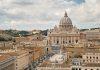
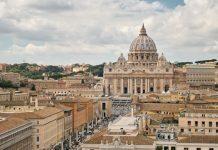
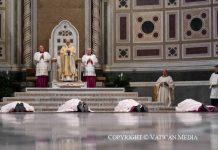
The Consistory will begin on Friday, June 26, with a Mass in St. Peter’s Basilica presided over by Pope Leo XIV. Following the liturgical opening, participants will gather in the Paul VI Hall, where the session will commence with the traditional hymn Veni Creator Spiritus. Cardinal Giovanni Battista Re, Dean of the College of Cardinals, will deliver an opening address, followed by an introductory reflection by the Pope.
The first session will pose a fundamental question: “In what kind of world are we called to proclaim the Gospel?” Cardinal Grzegorz Ryś, Metropolitan Archbishop of Krakow, will lead a biblical meditation to guide reflection. This theme situates the Church’s mission within the realities of modern global challenges, including political instability, social fragmentation, and ongoing conflicts.
Later that afternoon, the second session will shift focus to ethical and cultural dimensions under the theme “The culture of power and the civilization of love.” Cardinal Víctor Manuel Fernández, Prefect of the Dicastery for the Doctrine of the Faith, will introduce the discussion, drawing on Chapter V of Magnifica humanitas. This session is expected to explore how the Church can respond to systems of power with a message rooted in love, dignity, and reconciliation.
Day Two: Building the Common Good and Synodal Implementation
On Saturday morning, June 27, the Cardinals will reconvene after a Mass in St. Peter’s Basilica presided over by Cardinal Re. The third session, titled “Building in the good: the worksites of our time,” will be introduced by Cardinal Stephen Brislin, Archbishop of Johannesburg and President of the Southern African Catholic Bishops’ Conference.
This discussion will address the fractures—social, political, and economic—that hinder the construction of the common good. It will also consider the concerns emerging from communities worldwide and examine how both local and universal Church structures can provide meaningful support.
In the afternoon, the final session will take place in the New Synod Hall and will focus on “The path of implementing the Synod.” Cardinal Mario Grech, Secretary General of the Synod, will guide this conversation using the framework outlined in the document Towards the Synodal Assemblies 2027–2028: Stages, Criteria, and Instruments for Preparation.
This concluding session will include opportunities for clarification, open dialogue with Pope Leo XIV, and brief interventions from participants limited to three minutes each. The Pope’s final address will formally close the Consistory, followed by the singing of the Te Deum and a shared dinner in the Paul VI Hall.
A Broader Context: Peace, Communication, and Unity
Central to the Consistory’s agenda is the question of how the Church should respond to conflicts affecting the world today. Beyond geopolitical concerns, the Cardinals are expected to reflect on how language, tone, and pastoral attitudes can contribute to peacebuilding and reconciliation.
The meeting underscores Pope Leo XIV’s emphasis on unity and communication, key themes that have emerged early in his pontificate. By encouraging collaborative discernment and open dialogue, the Consistory reflects the Pope’s desire to strengthen collegiality among Church leaders while addressing contemporary challenges.
Looking Ahead to the Feast of Saints Peter and Paul
The Consistory will conclude just ahead of one of the most significant celebrations in the Catholic liturgical calendar. On Monday, June 29, Pope Leo XIV will preside at Mass in St. Peter’s Basilica for the Solemnity of Saints Peter and Paul, a feast that highlights the foundational role of apostolic leadership in the life of the Church.
As Cardinals depart Rome following the Consistory, the outcomes of their discussions—though largely confidential—are likely to influence the Church’s pastoral direction in the months and years ahead.
- Raju Hasmukh with files from Vatican News
Related Images: