













Pope Leo XIV confirms full communion with new Chaldean Patriarch Polis III Nona, affirming unity and mission amid ongoing challenges.
Newsroom (28/04/2026 Gaudium Press) Pope Leo XIV has formally granted Ecclesiastica Communio to His Beatitude Polis III Nona, newly elected Patriarch of Baghdad of the Chaldeans, consolidating the beginning of his patriarchal ministry in full communion with the Apostolic See.
The recognition follows the patriarch’s election on April 12 by the Synod of Bishops of the Chaldean Church, which convened in Rome. According to canon law governing the Eastern Catholic Churches, this act does not constitute approval of the election but rather serves as the formal acknowledgment of communion with the Roman Pontiff, enabling the patriarch to fully exercise his ministry.
Confirmation in Communion with Rome
The Holy See confirmed that the granting of ecclesiastical communion took place on April 24, in accordance with the Code of Canons of the Eastern Churches. This provision establishes the step as a necessary requirement following the valid election of a patriarch by his synod.
The process reflects the distinctive balance within Eastern Catholic Churches: autonomy in governance, particularly in patriarchal elections, paired with unity with the Bishop of Rome.
A Sign of Ecclesial Unity
In a letter addressed to the new patriarch, Pope Leo XIV described the Ecclesiastica Communio as “an expression and bond of full communion with the Apostolic See.” The message underscores the shared mission of the universal Church and the importance of ecclesial unity.
The Pope also conveyed his spiritual closeness, assuring Polis III Nona of his prayers as he assumes his role as “father and head” of the Chaldean Church. He encouraged the patriarch to guide the faithful in faith, hope, and charity.
Ministry Amid Challenges
Highlighting the historical depth of the Chaldean Church, the Pope pointed to its apostolic roots and the enduring witness of its martyrs and confessors. At the same time, he acknowledged the difficult circumstances faced by many Chaldean faithful, particularly in their native regions.
These ongoing challenges, he noted, continue to test the resilience of the community. Leo XIV urged the new patriarch to strengthen and support the faithful both in their homeland and across the global diaspora, where Chaldean communities are increasingly present.
Liturgical Significance of the Election
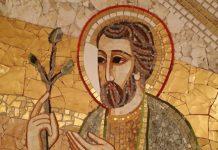
The Pope also drew attention to the symbolic timing of the patriarch’s election, which coincided with the Chaldean liturgical memorial of the encounter between the Apostle Thomas and the risen Christ. This event, central to the Church’s tradition, is seen as foundational to its apostolic identity and enduring faith.
Apostolic Blessing and Entrustment
The letter concluded with an apostolic blessing extended to the patriarch, as well as to bishops, clergy, religious, and all members of the Chaldean Church. Pope Leo XIV entrusted Polis III Nona’s ministry to the intercession of the Virgin Mary and the protection of Saints Addai and Mari, revered figures in the Church’s heritage.
With the granting of Ecclesiastica Communio, the patriarch’s leadership begins with full recognition and unity within the Catholic Church, marking a significant moment for the Chaldean faithful worldwide.
- Raju Hasmukh with files from Infovaticana