

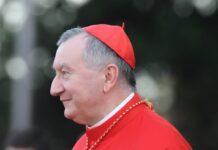












Pope Leo XIV visits Brians 1 prison in Barcelona, delivering a message of dignity, forgiveness and hope to inmates and prison ministers.
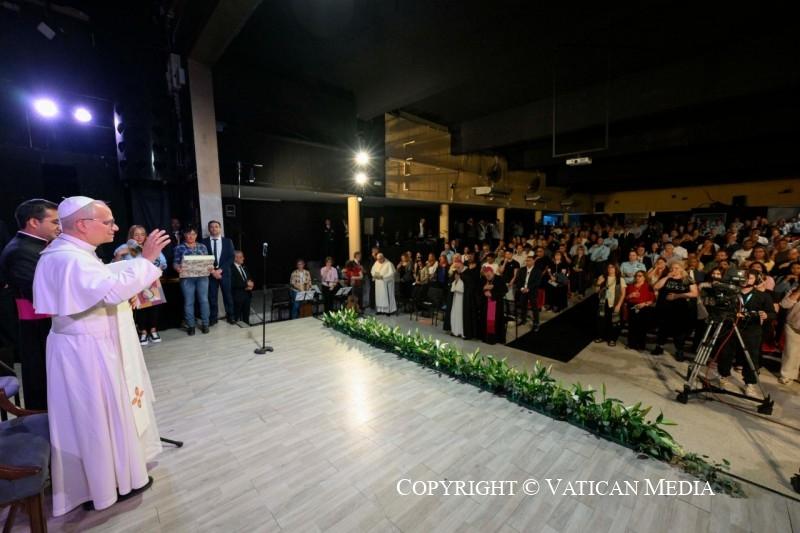
Newsroom (10/06/2026 Gaudium Press ) In a deeply symbolic visit to the Penitentiary Center Brians 1 on the outskirts of Barcelona, Pope Leo XIV delivered a message centered on human dignity, forgiveness, and the possibility of transformation, addressing inmates, chaplains, and volunteers gathered inside the facility.
The Pope’s address, marked by compassion and theological reflection, sought to reach those living on the margins of society—particularly individuals experiencing incarceration, separation from loved ones, and the weight of past mistakes.
Opening his remarks with gratitude, Pope Leo XIV acknowledged the warm reception he received and expressed appreciation for testimonies shared by individuals identified as Montse and Josefina. He also commended Father Jesús and the broader diocesan prison ministry of Sant Feliu de Llobregat, highlighting their ongoing work supporting inmates through spiritual and emotional care.
A Universal Message of Human Worth
At the heart of the Pope’s address was a reaffirmation of intrinsic human dignity. He emphasized that every individual is worthy “by the mere fact of having been willed, created and loved by God,” underscoring a foundational principle of Catholic teaching that dignity does not diminish based on circumstance.
This message took on heightened significance within the prison setting, where inmates often grapple with stigma, isolation, and a sense of lost identity. The Pope addressed these realities directly, reminding those in attendance that no situation is beyond the reach of divine attention and compassion.
“There is no situation that causes the Lord to turn his gaze away from us,” he declared, describing God’s merciful love as surpassing both the good and the evil in human experience.
Addressing Pain and Isolation
Acknowledging the emotional burden borne by incarcerated individuals, Pope Leo XIV spoke candidly about the pain of separation from family and the feelings of inferiority that may arise in confinement.
He urged inmates not to succumb to hopelessness but instead to “lift up your eyes” to recognize the presence of care and solidarity offered through others—including volunteers, chaplains, and fellow inmates.
The Pope framed these relationships as tangible expressions of divine closeness, reinforcing the idea that even in environments defined by restriction, spiritual freedom and connection remain attainable.
Transformation Through Grace
A central theme of the address was the distinction between past actions and present identity. Drawing on the writings of Saint Augustine, Pope Leo XIV emphasized that mistakes do not define a person’s ultimate worth or future.
He pointed to the transformative power of grace, suggesting that embracing faith and allowing oneself to be guided spiritually can lead to meaningful change. “The past does not condemn the future,” he said, highlighting the potential for individuals to reshape their lives through repentance, new choices, and inner renewal.
This perspective aligns with longstanding Catholic teachings on conversion and redemption, presenting hope not as an abstract concept but as a lived possibility.
An Invitation to Hope and Renewal
The Pope’s message culminated in a call to openness—encouraging those present to make room for God in their hearts and to seek a deeper spiritual relationship. He described God as continually inviting individuals toward hope, offering a horizon that transcends physical confinement.
“Keep dreaming God’s dream,” he urged, presenting personal growth as an ongoing journey rather than a fixed outcome. He stressed that being human—and being Christian—does not mean living without error, but rather developing the capacity to acknowledge faults, seek reconciliation, and forgive.
This emphasis on forgiveness extended both inward and outward, suggesting that healing involves not only divine grace but also the rebuilding of relationships and self-perception.
A Closing Blessing
In his concluding remarks, Pope Leo XIV entrusted those present to the care of Our Lady of Mercy, invoking her maternal intercession. He offered a blessing to all in attendance, reinforcing the pastoral nature of his visit.
The visit to Brians 1 stands as a continuation of the Church’s engagement with marginalized communities, particularly within correctional institutions. Through his words, Pope Leo XIV sought to affirm that dignity, hope, and the possibility of renewal remain accessible to all—regardless of past or circumstance.
The address leaves a clear message: no life is beyond redemption, and no barrier—physical or psychological—can ultimately prevent the pursuit of a renewed future.
- Raju Hasmukh with files from Vatican News
Related Images: