























Church leaders at the FABC Assembly in Jakarta call for a listening Church, emphasizing synodality, dialogue, unity, and care for creation.
Newsroom (22/07/2026 Gaudium Press ) The president of the Catholic Bishops’ Conference of Indonesia has called on the Church in Asia to become a more attentive and listening community, urging bishops and Church leaders to place listening at the heart of synodality as the 12th Plenary Assembly of the Federation of Asian Bishops’ Conferences (FABC) officially opened in Jakarta.
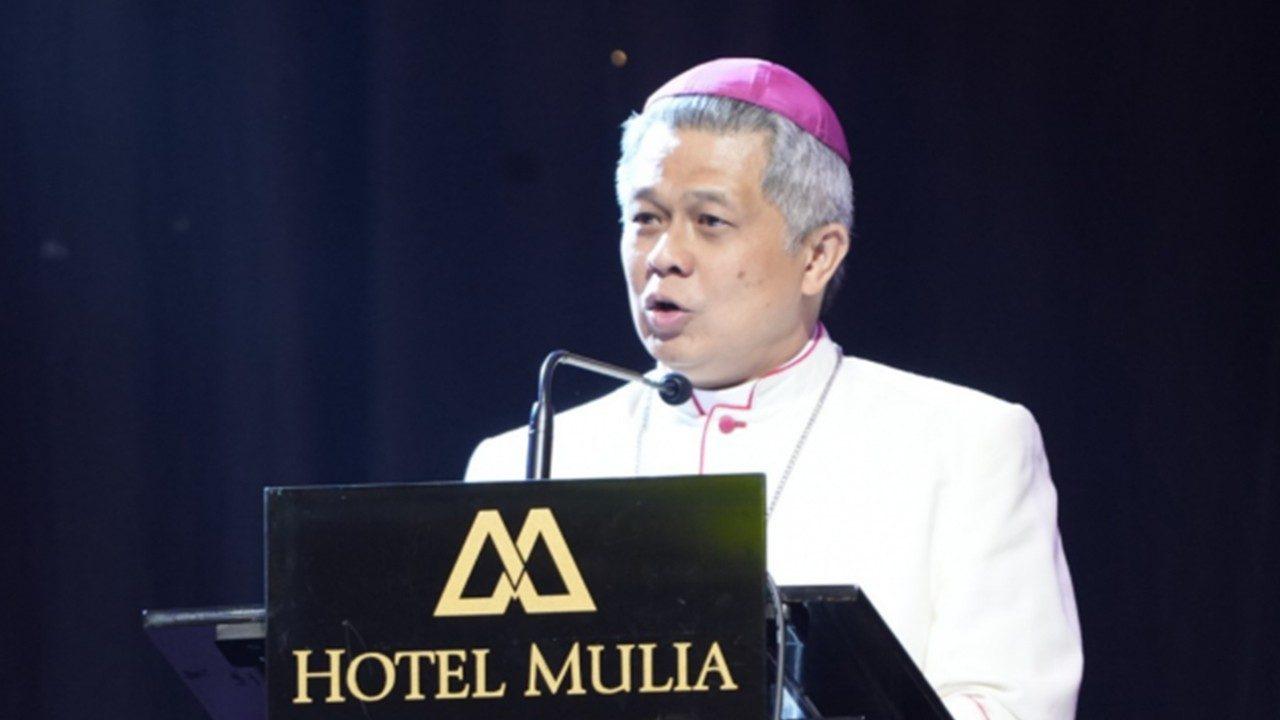
Addressing delegates gathered at Hotel Mulia on July 21, Bishop Antonius Subianto Bunjamin, OSC, described the assembly as a significant spiritual moment for the Catholic Church across Asia, emphasizing that authentic synodality begins with attentiveness to God, fellow believers, and those living on the margins of society.
He said the gathering was more than an administrative meeting of bishops, characterizing it instead as a sacred opportunity to listen to the Holy Spirit, one another, and the diverse peoples of Asia.
The opening ceremony brought together Church leaders, government representatives, and delegates from across the continent. Among those present were Cardinal Filipe Neri Ferrão of India, president of the FABC; Cardinal Pablo Virgilio David of the Philippines, vice president; Cardinal Tarcisio Isao Kikuchi of Japan, secretary general; and Indonesia’s Minister of Religious Affairs, Nasaruddin Umar, who attended as guest of honor.
Welcoming participants to Indonesia, Bishop Antonius expressed hope that delegates would not only experience the country’s hospitality but also strengthen bonds of communion among the local Churches of Asia during the assembly.
A central theme of his address was the longstanding commitment of the Asian Church to dialogue. Recalling the 1990 FABC Plenary Assembly held in Bandung, Indonesia, Bishop Antonius noted that Asian bishops had articulated the spirituality of the Church’s “triple dialogue” approach: dialogue with the poor, dialogue with cultures, and dialogue with other religions.
According to the Indonesian bishop, that vision continues to guide the Church’s mission today. He added that care for creation has increasingly emerged as another essential dimension of ecclesial life and engagement in Asia, expanding the Church’s understanding of its pastoral responsibilities.
Bishop Antonius encouraged participants to deepen what he described as a synodal conversion marked by listening, collaboration, and a shared commitment to shaping the future of the Church. He framed these priorities as necessary elements in fostering stronger relationships among communities and responding to the realities facing Asian societies.
The bishop also linked the assembly’s focus on synodality to the teachings of recent popes. He recalled Pope Francis’ repeated appeals for a Church that listens before speaking and accompanies people before passing judgment. He said Pope Leo XIV has reinforced that same vision, encouraging the Church to become a builder of bridges through dialogue, openness, and charity.
Culture and faith were also showcased during the opening ceremony. Delegates were welcomed by the Nusantara Dancers, who performed a series of traditional dances reflecting Indonesia’s diverse cultural heritage. The presentations highlighted traditions from Sumatra, Java, and Nusa Tenggara, offering participants a glimpse into the rich cultural mosaic of the host nation while underscoring themes of unity amid diversity.
Bishop Antonius acknowledged the collaborative effort required to organize the continental gathering, thanking the Indonesian government, particularly the Ministry of Religious Affairs, as well as religious leaders, volunteers, benefactors, and members of the organizing committee. He described their cooperation as a tangible expression of synodality in action, demonstrating how different sectors can work together in service of a common purpose.
As the assembly commenced, the Indonesian Church leader entrusted its work to the guidance of the Holy Spirit. He expressed hope that the gathering would strengthen local Churches throughout Asia, promote greater participation by laypeople and young people, deepen commitment to environmental stewardship, and renew the Church’s witness across the continent.
Concluding his address, Bishop Antonius summarized the aspirations of the assembly through a prayer focused on peace, unity, and mission. Invoking the image of the Church as an instrument of peace, he prayed that the FABC itself would become a force for reconciliation and hope, capable of helping the Church in Asia respond to the challenges and opportunities of the future through dialogue, communion, and shared faith.
- Raju Hasmukh with files from Vatican News
Related Images: