







In eastern Angola, witchcraft beliefs deepen poverty and division as the Catholic Church warns of a moral crisis threatening development.
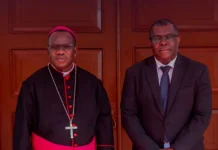
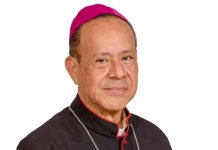
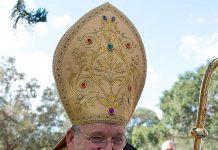
Newsroom (09/04/2026 Gaudium Press ) “Witches destroy communities, divide and impoverish families, and kill development.” The warning, delivered by Archbishop José Manuel Imbamba of Saurimo, strikes at the heart of a growing spiritual and social crisis in eastern Angola. Across the provinces of Lunda Norte, Lunda Sul, and Moxico—territories brimming with diamonds, timber, and fertile land—hope collides daily with disillusionment.
Despite the land’s abundance, many communities endure harsh deprivation. Clean water remains scarce. Roads are broken or non-existent. Electricity is unreliable, health care is fragile, and classrooms sit empty. The contradiction between natural wealth and human poverty has bred both frustration and distrust, seeding fertile ground for political unrest and superstition alike.
The Phantom Borders of Lunda Tchokwe
In this climate of neglect, the Movement of the Portuguese Protectorate of Lunda Tchokwe has revived old fractures. Arguing that the eastern region was never fully integrated into Angola after independence in 1975, the group cites colonial-era treaties as proof of its distinct identity. Its demands oscillate between calls for autonomy and outright independence—challenges that test the resilience of national unity.
Protests tied to the movement have, at times, ended in tragedy. A 2021 demonstration turned deadly after some participants, buoyed by the belief that they had been rendered invincible by magical rituals, faced security forces. Faith in sorcery, in that moment, quite literally became a matter of life and death.
Between Gospel and Ancestral Spirits
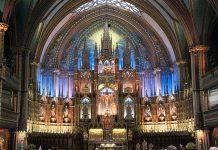
Angola is overwhelmingly Christian—roughly 97% of its people identify as followers of the faith. Catholicism, which arrived with Portuguese missionaries in the 15th century, remains woven into the nation’s cultural fabric. Baroque-style churches adorned with azulejos still stand as monuments to centuries of religious continuity and colonial encounter.
Yet outside the growing urban centers, remnants of traditional African spirituality endure. Some communities continue to practice ancestral rituals, blending them with Christian symbols and prayers. It is within this syncretic crossroads that witchcraft finds modern expression—often in times of despair, where uncertainty feeds a hunger for control.
Archbishop Imbamba’s condemnation of sorcery carries deep pastoral and political weight. To him, witchcraft undermines the moral core of society. It corrodes unity, fuels fear, and diverts people from the pursuit of truth and justice. “These beliefs,” he said, “impoverish not only the body but the soul, suffocating the very spirit of development.”
The Church’s Mission of Renewal
For the Catholic Church in Angola, the battle against superstition is more than a defense of doctrine—it is a fight for the nation’s future. With hundreds of parishes and schools across the country, the Church has positioned itself as both moral anchor and social advocate. In places where the state’s presence feels distant, it is often priests, nuns, and lay workers who provide education, health services, and a sense of community.
Their message is consistent: dignity and truth must prevail over fear and illusion. Only through faith grounded in justice, not enchantment, can Angolans escape cycles of poverty and repression. The struggle unfolding in the east, therefore, is not only economic or political—it is existential. It concerns the conscience of a people torn between hope and helplessness.
In the heart of Angola’s diamond lands, where riches glitter beneath the soil and hardship reigns above it, the fight against witchcraft becomes a mirror for deeper wounds. It reflects a population yearning for faith that heals rather than harms—and for a future where belief builds, rather than breaks, the bonds that hold communities together.
- Raju Hasmukh with files from Tribune Chretienne
Related Images: