






Cardinal Rai urges prayer and unity as Lebanon’s President Aoun visits the White House seeking support on Hezbollah disarmament.
Newsroom (22/07/2026 Gaudium Press ) Maronite Patriarch Cardinal Bechara Boutros Rai has called on Lebanese citizens to pray for their country and its leadership as President Joseph Aoun embarked on a high-stakes visit to the White House on July 21, where he is expected to present U.S. President Donald Trump with a plan aimed at disarming the Iran-backed Hezbollah movement and securing an Israeli military withdrawal from Lebanese territory.
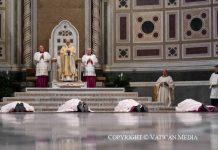
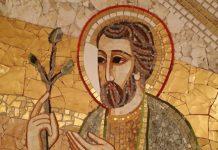
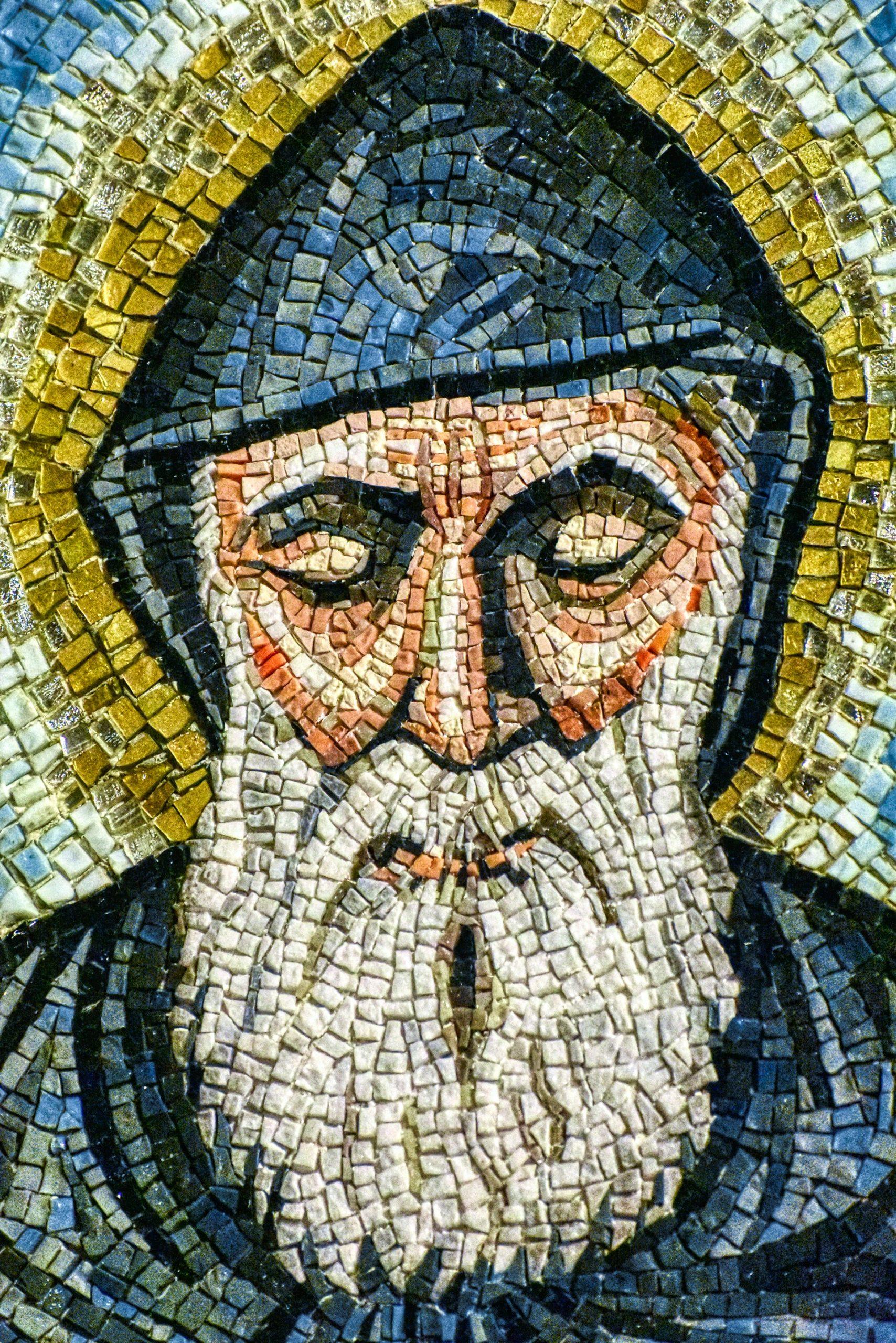
Speaking during a Mass commemorating the feast of Lebanon’s patron saint, St. Charbel Makhlouf, on July 19, Cardinal Rai framed the country’s future in terms of faith, resilience and national renewal despite the deep political and security challenges it faces.
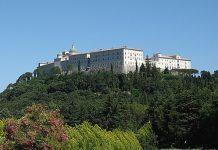
“However severe the crises facing Lebanon may become, this country is not lost as long as God accompanies it. This hope drives us to look toward the future,” the cardinal said during the liturgy at St. Maron Monastery in Annaya.
The patriarch also offered prayers for Lebanon’s leaders at a moment he described as critical for the country’s future.
“We pray for Lebanon and its officials, asking God to guide them in working for national unity, preserving the dignity of the people and safeguarding sovereignty. Peace is our choice, and Lebanon must choose the paths of truth, not illusions, because truth is what builds the state and brings the Lebanese together,” he said.
Cardinal Rai’s remarks come as Lebanon remains caught in a destructive conflict involving Hezbollah and Israel. The latest phase of fighting began on March 2 amid U.S. and Israeli attacks targeting Iran. The violence has exacted a steep humanitarian toll. According to Lebanon’s health ministry, more than 4,300 people have been killed, including nearly 800 children, women and medical workers. Hundreds of thousands of residents have also been displaced, particularly from southern Lebanon.
Throughout the conflict, the Catholic Church in Lebanon has been deeply involved in relief efforts. Church institutions have helped displaced families while also providing spiritual support to communities that lost homes and livelihoods. Clergy and church organizations have continued serving residents who chose to remain in their villages despite ongoing aerial and ground bombardment.
As patriarch of the Maronite Catholic Church, the largest and most influential Christian denomination in Lebanon, Cardinal Rai remains one of the nation’s most prominent religious figures. The office carries particular significance in a country where, by long-standing convention, the presidency is reserved for a Maronite Christian.
President Aoun’s visit marks a historic moment in Lebanese-American relations. Aoun, himself a Maronite Christian, is the first Lebanese head of state in nearly two decades to visit the White House. The trip also represents his first face-to-face meeting with President Trump.
At the center of the discussions is a U.S.-brokered June 26 Framework Agreement between Lebanon and Israel. The proposal seeks to establish a mechanism for Hezbollah’s disarmament, facilitate the withdrawal of Israeli troops from significant areas of occupied Lebanese territory and create a pathway toward peaceful relations between the two neighboring states.
Aoun has been actively promoting the agreement and is seeking Washington’s support to ensure its implementation. Shortly after the outbreak of war, he called for direct talks with Israel, a notable departure from traditional Lebanese policy. Israel has launched multiple invasions of Lebanon since 1978, making the prospect of direct negotiations politically sensitive. Nevertheless, Aoun’s initiative led to the highest-level face-to-face discussions between Lebanese and Israeli representatives in decades.
The proposal faces major obstacles, however. Hezbollah has firmly rejected both direct negotiations with Israel and state efforts to dismantle its extensive weapons arsenal. The group has maintained its military capabilities since Lebanon’s 1975-1990 civil war and has continued to bolster its arsenal with Iranian support.
Against that backdrop, Cardinal Rai voiced support for any political arrangement that reinforces state authority and national sovereignty.
“Any agreement that preserves Lebanon’s sovereignty, safeguards its national rights and strengthens the authority of the state deserves support,” he said.
The patriarch also renewed his backing for the Framework Agreement, describing it as an important opportunity to strengthen Lebanon’s sovereign institutions and protect national interests.
He emphasized that all parties should commit to implementing the agreement and reiterated his longstanding support for what he described as Lebanon’s policy of “active neutrality.” According to Rai, neutrality offers the best means of shielding the country from the rivalries and conflicts of regional powers while preserving domestic cohesion.
In additional remarks delivered in Bqaa Kafra, the birthplace of St. Charbel, Rai highlighted Lebanon’s historic role as a place of coexistence and dialogue. He pointed to the country’s 18 officially recognized religious sects as evidence of its cultural and religious diversity.
“Lebanon is called upon today more than ever to adhere to this historical message that has made it a homeland of coexistence, dialogue and openness,” he said.
His message reflected growing public exhaustion after years of economic hardship, political instability and renewed warfare. According to the patriarch, many Lebanese are eager to move beyond conflict and division and embrace a more stable future.
As President Aoun seeks international support for a potential diplomatic breakthrough, Rai’s appeals for peace, sovereignty and unity underscore the broader hopes of a nation searching for stability after months of violence and decades of regional turmoil.
- Raju Hasmukh with files from UCA News
Related Images: