










Cardinal Marx criticizes Synodal Path opponents as “reactionary,” alleges U.S. influence, and acknowledges papal concerns over direction.
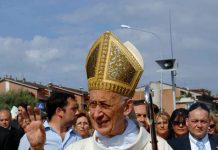
Newsroom (04/05/2026 Gaudium Press) Cardinal Reinhard Marx, Archbishop of Munich and Freising, has sharply criticized Catholics who oppose Germany’s controversial Synodal Path, describing them as part of a “rather reactionary camp” and alleging the existence of a coordinated campaign originating in the United States.
In an interview with Herder Korrespondenz, Marx expressed frustration with critics of the reform initiative, which has sparked widespread debate within the global Catholic Church. He pointed to what he characterized as a “very well-coordinated drumbeat” on social media aimed at promoting the narrative of a potential schism between the German Church and Rome. However, he did not identify specific individuals or organizations behind these claims, nor did he provide supporting evidence.
Language and Framing of Opposition
Marx’s use of the term “reactionary” to describe dissenting Catholics has drawn attention due to its historical associations with political and ideological conflict. The term, often linked to revolutionary discourse, has traditionally been used to describe those resisting systemic change. In this context, the cardinal applied it to critics who question the theological and structural direction of the Synodal Path.
His remarks reflect a broader tension within the Church, where debates over reform—particularly in areas of doctrine, governance, and pastoral practice—have intensified divisions between differing theological perspectives.
Claims of External Influence
A central element of Marx’s critique is the assertion that opposition to the Synodal Path is being amplified by actors outside Germany, particularly in the United States. He suggested that these efforts are shaping public perception and fueling concerns about doctrinal rupture.
While the claim introduces a geopolitical dimension to the internal Church debate, Marx did not elaborate on the mechanisms or sources of this alleged coordination. Critics may view this framing as an attempt to shift focus away from substantive theological disagreements.
Acknowledgment of Papal Concerns
In a notable admission, Marx acknowledged that Pope Francis had expressed “some concern” that the German Synodal Path might be influenced by Protestant theological frameworks. This recognition suggests that apprehensions about the initiative are not limited to its external critics but have also been present at the highest levels of Church leadership.
The Synodal Path, launched in response to clerical abuse scandals and institutional challenges, aims to address issues such as authority, sexual morality, and priestly life. However, its proposals have raised questions about their alignment with established Catholic doctrine.
Ongoing Challenges in Germany
The debate unfolds against the backdrop of significant challenges facing the Catholic Church in Germany. Participation in Sunday worship remains low, and the Church continues to experience large-scale departures from its membership. The Synodal Path was intended, in part, to address these issues, though its effectiveness and consequences remain subjects of ongoing discussion.
As Cardinal Marx continues to defend the reform process and critique its opponents, the broader conversation reflects unresolved tensions about the future direction of Catholicism in Germany and its relationship with the universal Church.
- Raju Hasmukh with files from INfocatholica
Related Images: