








Rome conference marks Pius XII anniversary, highlighting his diplomacy, archaeology work, and personal desire for pastoral ministry.
Newsroom (04/05/2026 Gaudium Press) A conference in Rome is set to illuminate lesser-known aspects of Pope Pius XII, presenting a more nuanced portrait of Eugenio Pacelli as both a scholar and a man deeply committed to pastoral care. Marking the 150th anniversary of his birth on March 2, 1876, the event will take place on May 4 in the Sala dei Papi at the Convent of Santa Maria sopra Minerva under the title “Eugenio Pacelli – Pius XII: Between the City of God and the City of Man.”
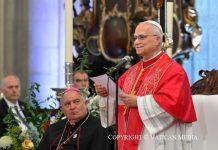
Organized near a site of particular symbolic importance in Pacelli’s life, the conference gathers prominent scholars and Church figures to explore dimensions of the pontiff often overshadowed by his historical role. Cardinal Protodeacon Dominique Mamberti will preside, while speakers including Johan Icks, Andrea Tornielli, Monsignor Stefan Heid, and Dominican Father Fabrizio Cambi will examine Pacelli’s diplomatic career, intellectual pursuits, and spiritual inclinations.
A Diplomat with a Pastoral Calling
Though widely recognized for his diplomatic achievements, Pacelli’s personal correspondence reveals a man who did not aspire to a lifelong career within the Roman Curia. According to Vatican Media Editorial Director Andrea Tornielli, Pacelli expressed a desire to dedicate himself entirely to what he called the “ministry of souls,” envisioning a simpler life as a confessor, preacher, or diocesan bishop.
Despite these inclinations, Pacelli remained steadfastly obedient to Pope Pius XI. His reserved demeanor and meticulous work, including handwritten contributions, played a role in shaping the 1937 encyclical Mit brennender Sorge, a document condemning the evils of Nazism that resonated beyond Catholic circles and received unprecedented recognition from Protestant communities.
His diplomatic assignments further underscored the trust placed in him. As papal legate, Pacelli traveled extensively—from Budapest and Paris to Lourdes and the United States—representing the Holy See on significant international stages. Yet these missions also revealed a more personal side. During a visit to Buenos Aires, he reportedly shed his formal identity, dressing as a simple priest to walk among the poor, seeking direct human connection rather than ceremony.
Archaeology and the Roots of Faith
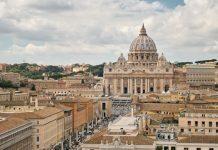
Another focal point of the conference is Pacelli’s deep engagement with Christian archaeology. As Monsignor Stefan Heid notes, Pius XII initiated the excavation of the area beneath the Confession of Saint Peter in the Vatican between 1940 and 1949—an unprecedented and bold undertaking for a pontiff.
Pacelli’s interest in archaeology was not incidental. A Roman by birth, he regarded the city as the cradle of Christian archaeology and possessed extensive knowledge of the field. Scholar Carlo Cecchelli once suggested that, under different circumstances, Pacelli might have pursued a career as an archaeologist.
The excavations themselves became one of the most innovative projects in Christian archaeology. Despite criticism in later years, they remain a lasting contribution, with the site still accessible to pilgrims and visitors today without disrupting the functioning of St. Peter’s Basilica above.
Spiritual Identity and National Symbolism
The conference also revisits Pacelli’s spiritual vision, particularly his devotion to Saints Francis of Assisi and Catherine of Siena. Father Fabrizio Cambi highlights that Pacelli’s veneration for these figures predates his 1939 proclamation of them as patron saints of Italy.
Archival evidence, including a 1934 telegram from Pacelli as Cardinal Secretary of State, reveals early elements of this initiative. Cambi’s research suggests that Pacelli viewed their sanctity as intertwined with Italian identity, presenting them as models of “Christian citizenship.”
The timing of their proclamation, on the eve of the Second World War, carried significant symbolic weight. It conveyed a vision of national unity rooted in fidelity to the Pope and, through him, to Christ.
Pacelli’s visit to the Basilica of Santa Maria sopra Minerva on May 5, 1940, where he honored these saints in a notable speech, further underscores the importance of this site in understanding his spiritual and pastoral outlook.
A Multifaceted Legacy
The Rome conference seeks to move beyond simplified narratives of Pius XII, presenting instead a figure shaped by intellectual curiosity, diplomatic skill, and a deeply personal longing for pastoral service. From his role in major ecclesiastical decisions to his quiet moments among the faithful, the portrait that emerges is one of complexity—anchored equally in the “City of God” and the “City of Man.”
- Raju Hasmukh with files from https://www.avvenire.it/
Related Images: