


Maduro accuses Cardinal Porras of plotting against José Gregorio Hernández’s canonization, escalating tensions with Venezuela’s Catholic Church.
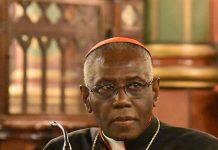
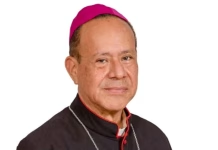
Newsroom (23/10/2025, Gaudium Press ) In a fiery television address on October 20, Venezuelan President Nicolás Maduro accused Cardinal Baltazar Porras, the retired archbishop of Caracas, of orchestrating a conspiracy to block the canonization of José Gregorio Hernández, Venezuela’s first male saint. The inflammatory remarks, which Maduro delivered without evidence, mark a fresh escalation in tensions between Venezuela’s socialist government and the Catholic Church.
“There were many people who conspired from the highest levels of the Curia against José Gregorio,” Maduro declared on state television. “Some priests, like Baltazar Porras, dedicated their lives to conspiring against José Gregorio Hernández. I say this by name: Baltazar Porras dedicated his entire life to ensuring that José Gregorio would not [be declared a saint], but Baltazar Porras has been defeated by God, by the people, and today José Gregorio is a saint despite you and your people.”
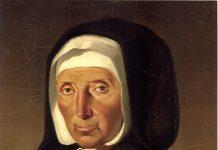
Maduro’s comments came a day after the Vatican canonized Hernández, a beloved physician known as the “doctor of the poor,” alongside Venezuelan nun Carmen Rendiles and five others on October 19. The historic ceremony, presided over by Pope Leo XIV, marked a milestone for Venezuelan Catholics, with Hernández and Rendiles becoming the country’s first canonized saints. Notably, Maduro did not attend the Vatican event.
Sources close to Cardinal Porras told ACI Prensa, CNA’s Spanish-language partner, that the cardinal has chosen not to respond to Maduro’s accusations. The 81-year-old prelate, a prominent figure in Venezuela’s Catholic Church, has long been a vocal critic of the government’s policies.
A History of Tensions
Maduro’s verbal assault on Porras is the latest chapter in a fraught relationship between Venezuela’s socialist regime and the Catholic Church. The government has faced accusations of targeting Catholic leaders with harassment and threats, a pattern that appears to have intensified amid the canonization celebrations. The accusations against Porras follow his recent call for the release of over 800 political prisoners, as reported by the human rights organization Foro Penal.
Speaking at an event at the Pontifical Lateran University in Rome last week, Porras decried Venezuela’s “morally unacceptable situation,” citing the erosion of civil liberties, rising poverty, militarized governance, and widespread corruption. “The disrespect for the will of the people creates a panorama that does not contribute to peaceful coexistence or to overcoming the structural shortcomings of society,” he said.
The event in Rome also saw an altercation involving Venezuelan Vatican journalist Edgar Beltrán, who was reportedly assaulted by Ricardo Cisneros, a businessman tied to the Venezuelan government delegation. According to Catholic news outlet The Pillar, Cisneros interrupted Beltrán’s interview with Archbishop Edgar Robinson Peña Parra, the Vatican’s substitute for the Secretariat of State, after questions were raised about the Maduro government’s alleged politicization of the canonizations.
International Scrutiny and Canonization Backdrop
Maduro’s leadership has been under intense scrutiny both domestically and internationally. Widely accused of rigging the 2024 presidential election to secure a third six-year term, Maduro faces allegations of heading the Cartel de los Soles, a criminal organization linked to drug trafficking and terrorism, according to the U.S. government. The U.S. State Department has placed a historic $50 million bounty for information leading to his arrest or conviction.
Amid these controversies, the canonization of Hernández and Rendiles has been a moment of national pride for many Venezuelans. Cardinal Pietro Parolin, the Vatican’s Secretary of State, celebrated a Mass of thanksgiving on October 20, where he condemned “unjust imprisonment” and “oppression” in Venezuela. Cardinal Porras, speaking before the October 19 canonization Mass, expressed “deep joy” at the occasion, calling it a “historic moment” for the nation. “I give thanks to God for allowing me to share it with all of you,” he said.
As Venezuela grapples with political and economic turmoil, the canonization of its first saints has become a flashpoint, highlighting deep divisions between the government and the Church. Maduro’s accusations against Porras underscore the ongoing struggle for influence in a nation where faith and politics remain inextricably intertwined.
- Raju Hasmukh with files from CNA news
Related Images: