






Maduro revealed he had personally written to the Pope, urging the Holy See to mediate and safeguard Venezuela’s “peace and stability.”
Newsroom (09/10/2025, Gaudium Press ) Venezuelan President Nicolás Maduro has sought the Vatican’s intervention in what he describes as a U.S.-orchestrated campaign to destabilize his government, escalating a war of words with Washington as American naval forces intensify operations in the Caribbean. In a direct appeal to Pope Leo XIV, Maduro has called for a “diplomatic embrace of peace” to counter what he claims are preparations for “regime change” under the guise of U.S. anti-narcotics efforts.
Speaking on his weekly television program Con Maduro +, broadcast on state-run VTV, Maduro revealed he had personally written to the Pope, urging the Holy See to mediate and safeguard Venezuela’s “peace and stability.” He praised Pope Leo XIV as “a balanced man of peace, a worthy successor to Francis,” expressing confidence in the Vatican’s ability to defuse rising geopolitical tensions. The Venezuelan leader pointed to the Vatican’s prior humanitarian efforts, including the repatriation of 45 Venezuelan children he alleges were “taken” to the United States. “Around 70 remain detained abroad,” Maduro claimed, framing the issue as part of a broader assault on Venezuelan sovereignty.
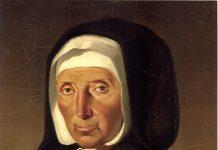
The appeal coincides with a moment of national religious significance: the upcoming canonization of Dr. José Gregorio Hernández, a revered Venezuelan physician. Maduro cast the sainthood as a divine signal for a nation “under siege” by “the greatest military power in history.” The President’s rhetoric was echoed in Caracas, where hundreds of pro-government demonstrators marched to the United Nations offices, demanding respect for international principles of peace and sovereignty. Led by senior officials, the protest underscored Maduro’s narrative of Venezuela as a nation locked in a global struggle for self-determination.
Tensions have mounted since early September, with U.S. naval forces conducting four strikes on vessels suspected of drug trafficking in the Caribbean. The most recent operation, on October 3, left four dead. U.S. officials defend the actions as part of a broader campaign against transnational drug cartels, invoking a novel interpretation of executive authority that designates such groups as “unlawful combatants,” bypassing the need for congressional approval. Maduro, however, dismisses the operations as a pretext. “These are not anti-narcotics missions,” he declared. “They are an attempt to create conditions for aggression against Venezuela.”
The Vatican, which has previously engaged in discreet diplomacy to ease Venezuela’s political crises, has yet to respond publicly to Maduro’s letter. Pope Leo XIV, seen as continuing Pope Francis’s cautious approach to Latin American affairs, has not signaled whether the Holy See will take up the mediation role. Still, Maduro’s appeal appears calculated to bolster his government’s image as a victim of external hostility, a message aimed at rallying domestic support and garnering international sympathy amid mounting economic and geopolitical pressures.
As U.S. operations continue and Venezuela braces for Hernández’s canonization, the Caribbean remains a flashpoint in a deepening confrontation, with Maduro leaning on faith and diplomacy to navigate an increasingly precarious landscape.
- Raju Hasmukh with files from Zenit News
Related Images: