












Bishop Berardi highlights fear, faith, and collapsed trust across the Gulf amid Iran’s retaliation and the unraveling of regional stability.
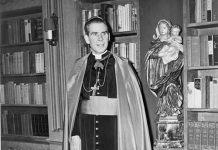
Newsroom (25/03/2026 Gaudium Press ) In the heart of the Gulf, a pervasive sense of unease has settled over cities and deserts alike. Bishop Aldo Berardi, Apostolic Vicar of Northern Arabia, describes to AsiaNews a climate “marked by tension and concern” as Iranian retaliation shocks local populations already reeling from Israeli-American strikes. The region, he says, is now caught “between fear and faith,” the daily rhythm of life overtaken by uncertainty.
From halted air travel to shuttered refineries and paralyzed trade routes, the Gulf’s economy teeters on the brink. Once-routine flights from Bahrain to Kuwait have turned into hours-long road journeys through Saudi Arabia’s arid expanse. “At first, it was thought this would last a week,” Berardi explains. “But Iran responded violently—yet legitimately—showing unexpected resistance.”
Most worrying, he warns, is the fragility of water infrastructure. “If desalination plants or drinking water systems are targeted, it would be catastrophic,” he says. Even as the Strait of Hormuz remains blocked, a lifeline of hope persists among communities praying that “the water will not be affected.”
The Human Cost: Migrants in Limbo
The Gulf’s prosperity rests on the labor of millions of migrants—many from South and Southeast Asia—now living in fear. “Europeans and Americans have left,” says Berardi, “but migrants remain because they must.” Yet uncertainty grows: banks close, refineries stall, and wages go unpaid. “Some have lost their jobs, others wait for hostilities to end,” he adds.
The Church faces a surge of appeals for food and assistance. “We are already witnessing an increase in poverty,” the bishop notes, underscoring how the shockwaves from the war extend far beyond politics or borders. For migrant families—especially women, children, and the sick—the fear is not only of bombs, but of abandonment.
Faith and Coexistence Under Pressure
The new conflict erupted on February 28, just days before Ramadan and Lent—two sacred seasons now overshadowed by violence. Yet rather than separate communities, faith has drawn them closer. “We fast and pray together,” Berardi says, describing rare acts of solidarity between Christians and Muslims.
Amid this fragile unity, sectarian tensions simmer. The divides between Shiite and Sunni populations, long an undercurrent in Gulf politics, have deepened. Still, there are high-profile gestures of reconciliation. In Bahrain, the Crown Prince visited both Sunni and Shiite leaders, then entered the cathedral as a sign of cross-religious unity. “These are not symbolic acts,” Berardi emphasizes. “They reflect the will to keep dialogue alive despite everything.”
The upcoming Easter and Ramadan celebrations face strict limitations. In Bahrain, outdoor worship is banned; in Qatar, churches are closed with services streamed online “as in the Covid-19 days.” In Saudi Arabia, Masses are broadcast via what Berardi calls “the miracle of the internet.” Throughout these constraints, the bishop reassures his clergy: “You are pillars for the people. None have left despite the war—and for that, I thank God.”
The Crumbling Promise of the Abraham Accords
The ripple effects of the conflict are now undermining one of the Middle East’s most ambitious diplomatic efforts—the Abraham Accords. Once heralded as a breakthrough in regional normalization between Israel and Arab states, those agreements now appear obsolete.
“The conflict has thrown everything into question,” Berardi states bluntly. “Despite massive spending on protection, bases, and weapons, we have been attacked harshly. People are asking why the shield failed.” As the United States and Israel press their military offensive, trust in Washington’s security guarantees has evaporated—what Berardi calls a “collapse of confidence.”
Governments remain silent under strict censorship, wary of inflaming public anger. On the ground, however, frustration is palpable. “The geopolitics of this region will have to be reassessed,” the bishop predicts. “There is no longer trust in the system that claimed to keep us safe.”
A Fragile Future
What began as a campaign of targeted strikes has spiraled into a crisis of legitimacy, faith, and survival. “Israel is overreaching,” Berardi warns, citing destruction from Gaza to Lebanon. Iran’s fierce retaliation has “demonstrated a power no one expected.” The result is a Middle East where hatred grows and dialogue fades.
As Easter approaches, Bishop Berardi turns once more to faith. “Our hope,” he says, “is to entrust ourselves to God, even in a situation of death.” For the Gulf’s millions—citizens and migrants alike—those words are not theology but necessity, an invocation for peace amid the collapse of trust that binds their fragile world together.
- Raju Hasmukh with files from Asianews.it
Related Images:


