




















Bill C-9 passes House 186-137, removing religious speech defence from hate laws. Faith groups warn of chilling effects as it heads to Senate.
Newsroom (26/03/2026 Gaudium Press ) When the House of Commons gave third-reading approval to Bill C-9, the Combatting Hate Act, on Wednesday evening, the chamber’s closing vote of 186 to 137 was more than a routine tally of government business. Instead, it marked a defining moment in Canada’s long-running debate over how to balance protection from hate with freedom of religious expression.
All members of the Liberal Party and the Bloc Québécois voted in favour, sealing the bill’s passage with their earlier agreement to eliminate the “good faith religious speech” defence from the Criminal Code. That safeguard, in place since 1970, had protected individuals who expressed opinions on religious matters in good faith—so long as those remarks were not made with hatred or animus. Opposing the measure were the Conservatives, the NDP, and Green Party MP Elizabeth May, whose effort to return the bill to the Standing Committee on Justice and Human Rights for revision failed 188–125.
Deep roots of controversy
Introduced by Justice Minister and Attorney General Sean Fraser last September, Bill C-9 aims to criminalize intimidation and obstruction outside of faith-based establishments and prohibit displays of certain terrorism or hate symbols in public. Yet the debate has largely revolved around Bloc MP Rhéal Fortin’s amendment, which successfully repealed two clauses—319(3)(b) and 319(3.1)(b)—from the hate speech provisions of the Criminal Code.
Fortin argued that religious expression needed no special exception from hate speech laws, while his party leader, Yves-François Blanchet, made adoption of that amendment a condition for Bloc support. The change, approved by the Liberal-dominated justice committee in early December, ignited backlash far beyond partisan lines.
Religious and civil outcry
Since the committee’s decision, a broad coalition of religious communities, civil liberty advocates, and legal scholars has condemned the move. More than 350 Muslim organizations, leaders of the Orthodox Jewish community, numerous Christian denominations, and the Canadian Conference of Catholic Bishops (CCCB) have issued statements warning that the removal could erode fundamental freedoms.
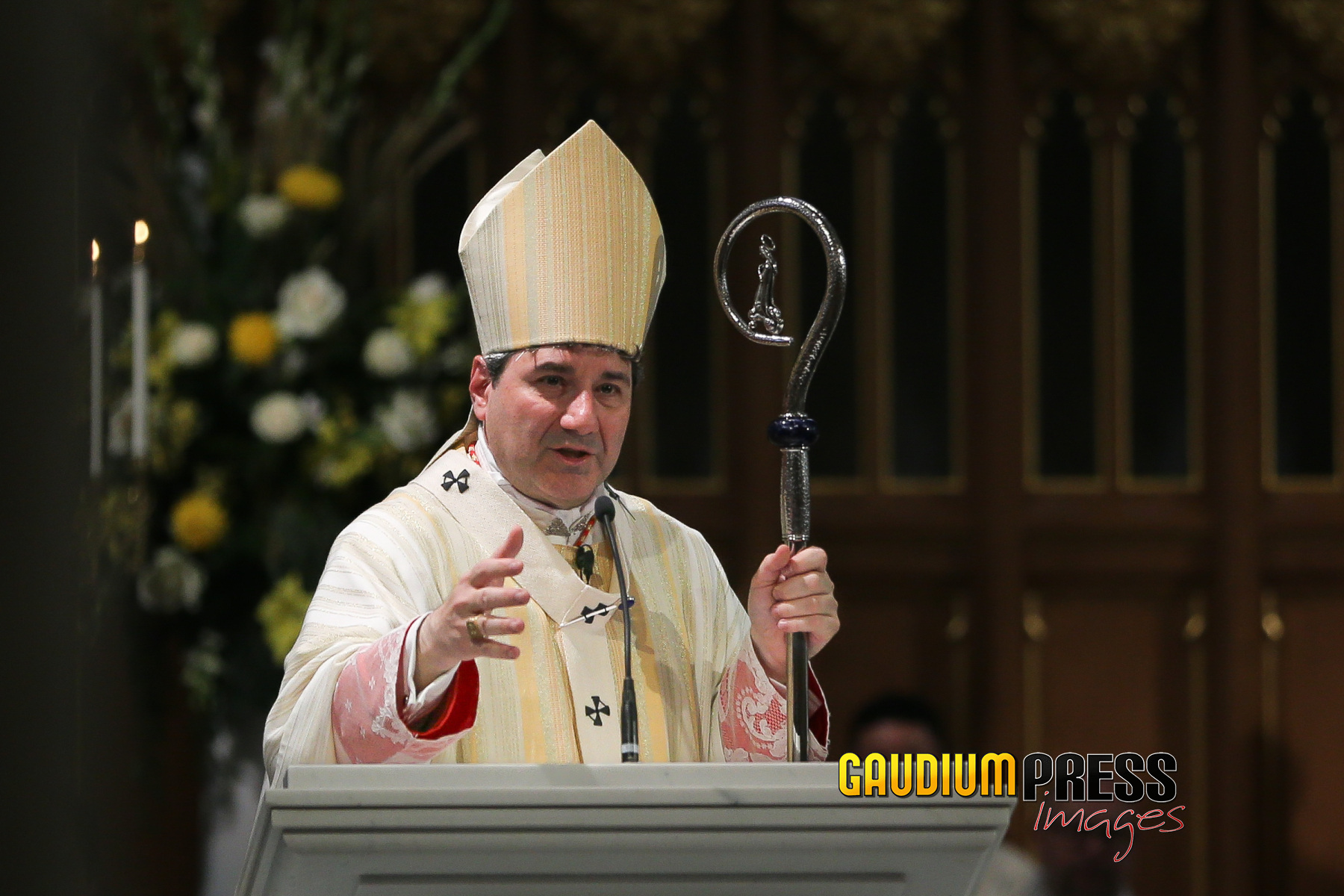
Bishop Pierre Goudreault, the CCCB president, expressed both support for efforts to combat hatred and alarm over the amendment’s implications. While reaffirming the Church’s dedication to protecting vulnerable communities, Goudreault warned that ending the defence “raises significant concerns,” as it could chill “sincere, truth-seeking expression of beliefs made without animus.”
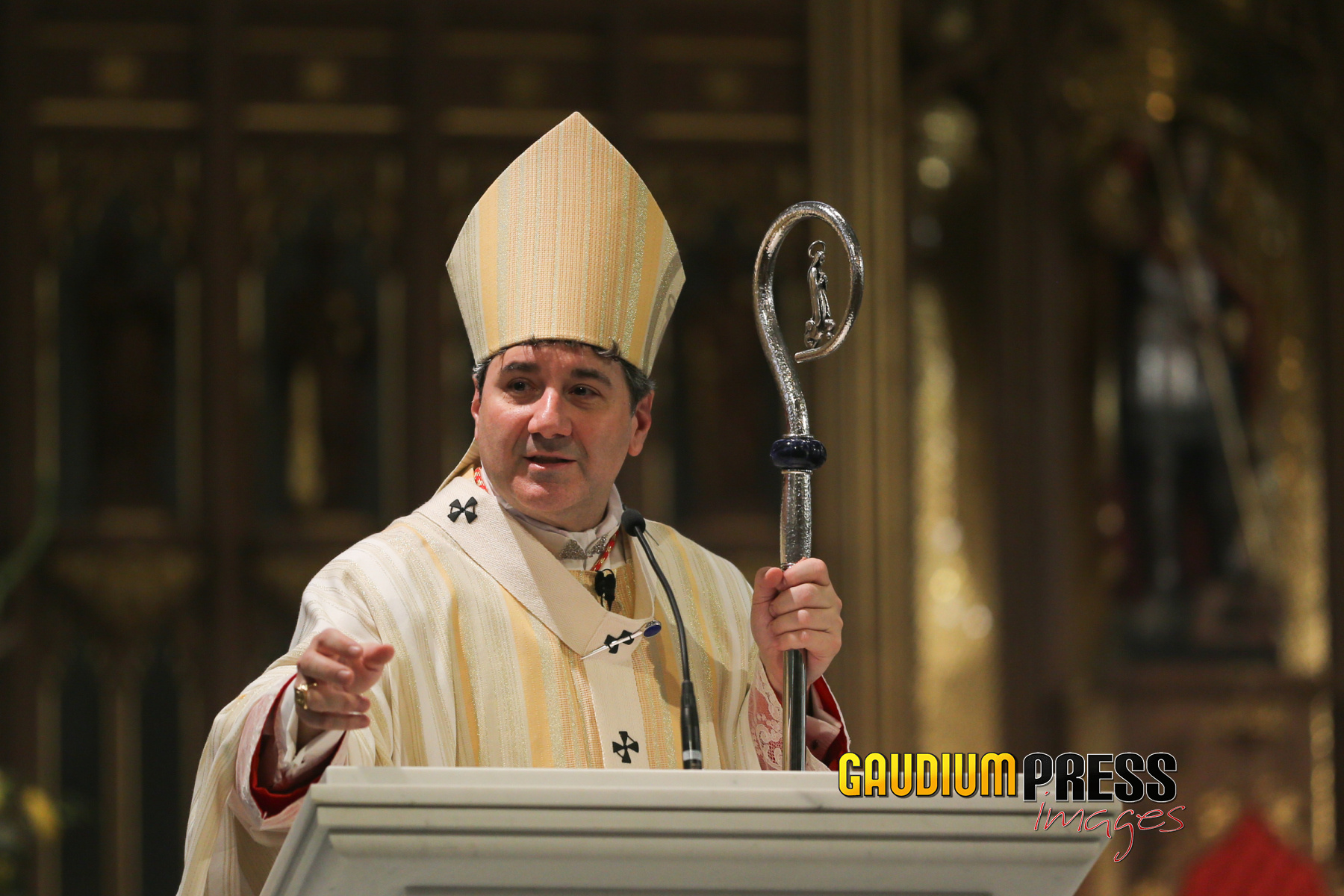
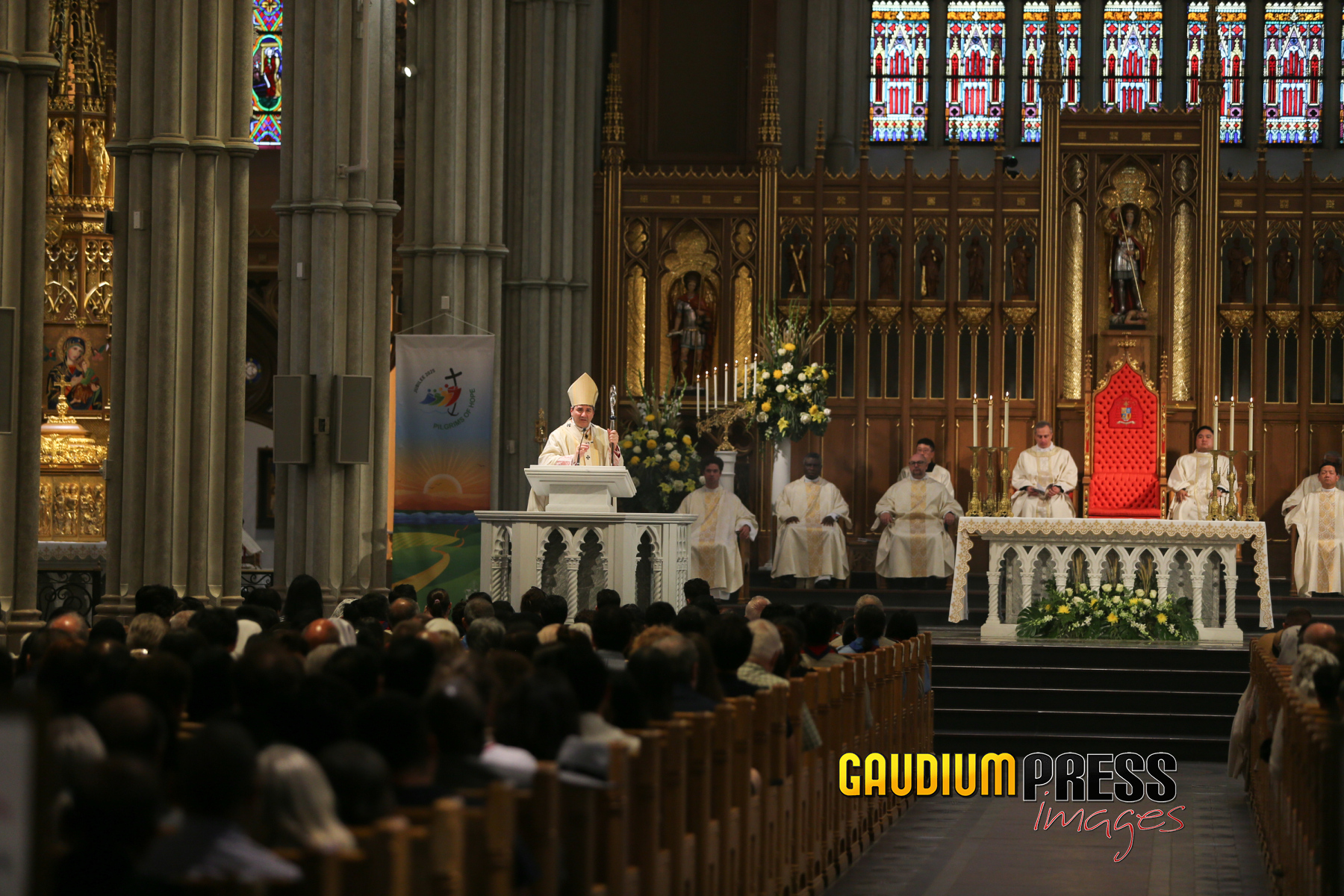
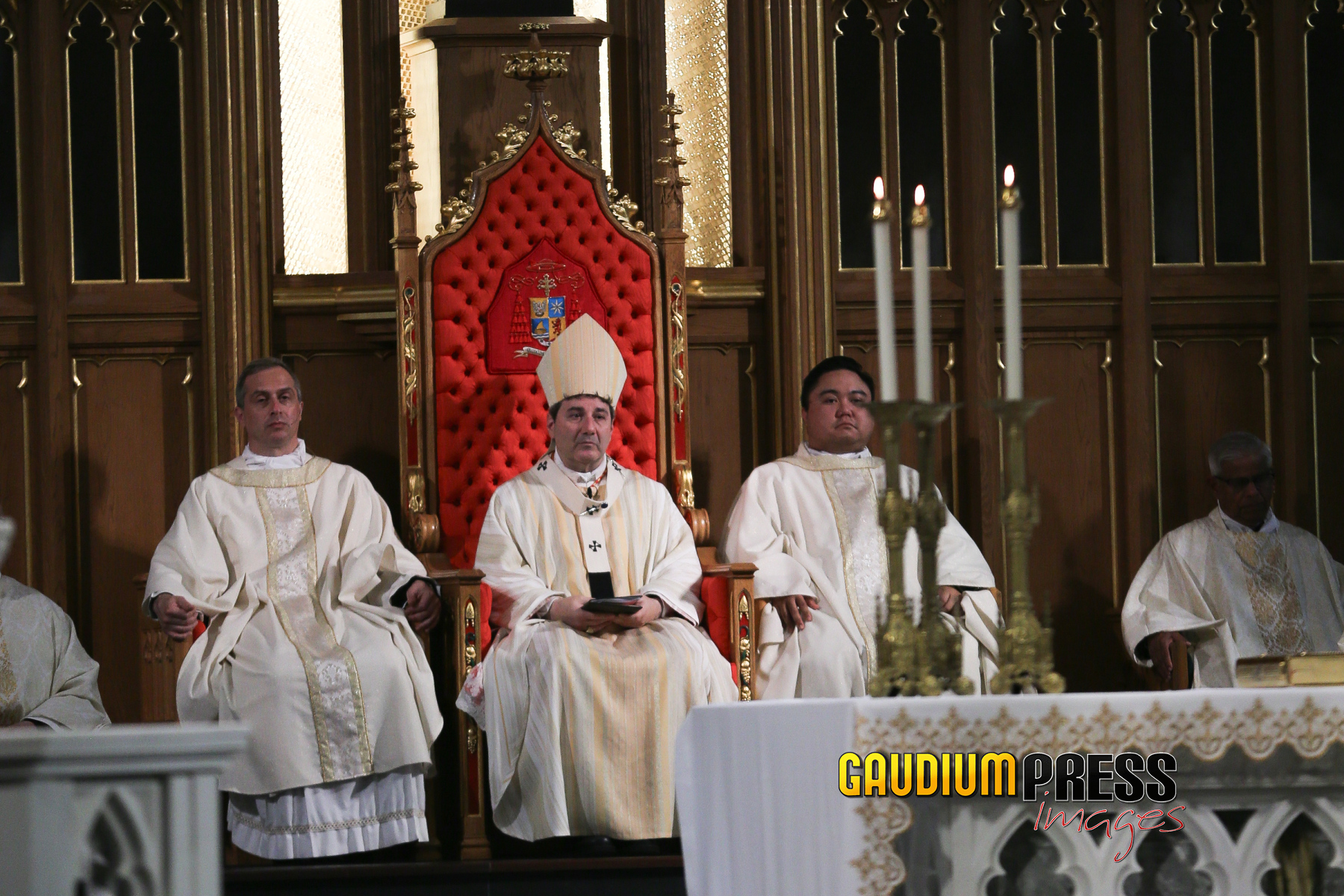
Cardinal Frank Leo, Archbishop of Toronto, echoed the sentiment in his own letter marking the third anniversary of his installation. He cautioned that clergy and educators might face uncertainty or self-censorship under the new law, despite the government’s insistence that freedom of religion remains protected.
Government’s reassurance and dissenting voices
In response, Parliamentary Secretary Patricia Lattanzio inserted a “for greater certainty” clause into the final bill. It clarifies that public communications made for educational, political, scientific, or religious purposes are not prohibited unless they “wilfully promote hatred” against identifiable groups.
However, Conservative MP Andrew Lawton dismissed the addition as “circular reasoning,” and Catholic Civil Rights League President Phil Horgan argued the clause remains too vague. Without the former good-faith defence, Horgan said, religious leaders may still be vulnerable to prosecution if the Crown deems their discourse contrary to the public interest.
Call to mobilize ahead of Senate review
Faith and advocacy groups have mobilized in protest. The Campaign Life Coalition (CLC), alongside 4 My Canada, CitizenGo, and Campaign Québec-Vie, organized a February press conference and petition drive opposing the amended bill. David Cooke, a pastor and the CLC’s campaigns manager, warned that Christians and pro-life advocates “will almost certainly face an entirely new level of hostility” if the bill becomes law.
Echoing his colleague, CLC political director Jack Fonseca urged Canadians to contact senators directly, describing the coming weeks as critical. The organization is even calling for “extra prayer and fasting” leading up to the Senate’s review of the bill.
When Parliament reconvenes on April 14, after the Easter recess, the Senate will open its examination of Bill C-9. As Canada’s upper chamber prepares to weigh competing claims of security, equality, and liberty, both supporters and opponents agree on one thing: the outcome of this debate may define how far faith and speech can coexist under Canada’s hate laws in the years ahead.
- Raju Hasmukh with files from Catholic Register
Related Images: