












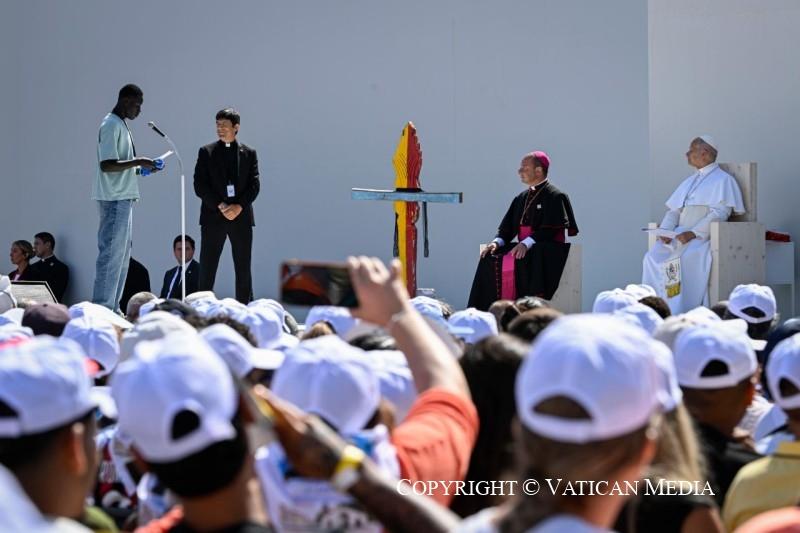
Pope Leo XIV urges compassion, responsibility, and solidarity in migrant integration during address in Tenerife’s La Laguna.
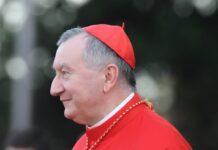
Newsroom (12/06/2026 Gaudium Press )In the historic city of San Cristóbal de La Laguna, described as “an open city without walls,” Pope Leo XIV delivered a powerful address on June 12, 2026, emphasizing the moral and social urgency of migrant integration. Speaking in the Plaza del Cristo de La Laguna during the final day of his Apostolic Journey to Spain, the Pope met with Church representatives, charities, and civil organizations engaged in migrant support.
Highlighting the Canary Islands’ role as one of Europe’s principal migration routes, the Pontiff commended organizations working on the ground while urging societies to confront deeper, less visible barriers. “The barriers that are the hardest to break down are not always made of stone,” he said, pointing instead to fear and indifference as the true obstacles to integration.
The Human Stories Behind Migration
Reflecting on the sea surrounding the Canary Islands, the Pope described it as carrying “stories of pain, of hope and of searching.” He stressed that migrant experiences must not be reduced to statistics or administrative files but recognized as deeply human narratives.
He challenged communities to adopt what he called “the language of closeness,” a form of communication expressed through action rather than words. This approach, he explained, is essential to truly accompany migrants and acknowledge their dignity.
Integration as a Reciprocal Journey
Central to Leo XIV’s address was the idea that integration is not a one-sided process. He described it as “a reciprocal journey” in which both migrants and host communities are transformed.
“Integration does not mean erasing the history of those who arrive,” he said, nor does it involve isolating groups into parallel societies. Instead, it requires mutual openness: migrants are called to learn language, respect laws, and contribute to society, while host communities must expand their sense of belonging without losing their identity.
The Pope underscored that dignity is not only a right but also a responsibility. When embraced fully, it enables newcomers to transition from strangers to active members of the community.
From Charity to Solidarity
The Pontiff drew a clear distinction between charity and true solidarity. While immediate assistance addresses urgent needs, integration requires long-term commitment and structural engagement.
“Welcome opens the door; integration helps one cross the threshold,” he said, adding that rebuilding lives demands more than temporary relief. He praised the work of Catholic institutions such as Diocesan Caritas and migration offices, as well as civil organizations, for moving beyond emergency aid toward sustainable integration efforts.
He also pointed to the powerful transformation that occurs when former beneficiaries become contributors. When those once helped extend help to others, he said, “the charity received is transformed into shared responsibility.”
A Moral Appeal Against Exploitation
In one of the most forceful sections of his speech, Pope Leo XIV issued a direct warning to those who exploit migrants. Addressing traffickers, employers who abuse workers, and others profiting from vulnerability, he called for repentance and accountability.
“The tears and blood of these brothers and sisters cry out to God,” he declared, condemning systems that turn human suffering into business. He insisted that such exploitation carries moral consequences that cannot be escaped.
Preventing the “Second Shipwreck”
Beyond the dangers of migration journeys themselves, the Pope warned of what he termed a “silent shipwreck” — the abandonment many migrants face after arrival. Isolation, lack of work, and vulnerability to exploitation can trap individuals in prolonged suffering.
Integration, he argued, must prevent this second tragedy by offering opportunities for migrants to rebuild their lives, recognize their talents, and contribute meaningfully to society.
Faith, Community, and Evangelization
While emphasizing social and humanitarian efforts, Pope Leo XIV also reminded Catholic communities that integration should not be reduced to a purely social task. He called for parishes to provide not only material support but also spiritual accompaniment.
A welcoming Church, he said, must also be a witnessing Church, sharing faith “with respect and humility” while honoring the freedom of each individual. He added that migrant communities themselves often bring spiritual richness that can renew the broader Church.
A Vision Rooted in Human Dignity
Throughout his address, Leo XIV insisted that migrants must be viewed first and foremost as people created in the image of God, not as problems to be managed. Their journeys, often marked by hardship and repeated attempts, reflect a search for dignity, safety, and opportunity.
He highlighted their desire not to remain victims but to start anew — to work, serve, and participate in society.
A Final Appeal for Compassion
Concluding his remarks, the Pope called on all people to reject indifference and fear. He invoked the image of Christ present in the suffering and the Holy Family as a model for migrant families forced to flee their homes.
“Fear, indifference, and the violence of those who trade in human life must not have the final word,” he said. Instead, he urged communities to recognize every migrant as a brother or sister and to build a society marked by compassion, justice, and shared humanity.
With this message, Pope Leo XIV left Tenerife with a clear and urgent call: to transform migration from a challenge into an opportunity for solidarity, renewal, and deeper human connection.
- Raju Hasmukh with files from Vatican News