















Pope Leo urges humility and compassion in Gran Canaria, honoring migrants lost at sea and warning against the dominance of a self-centered culture.
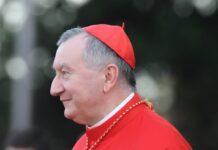
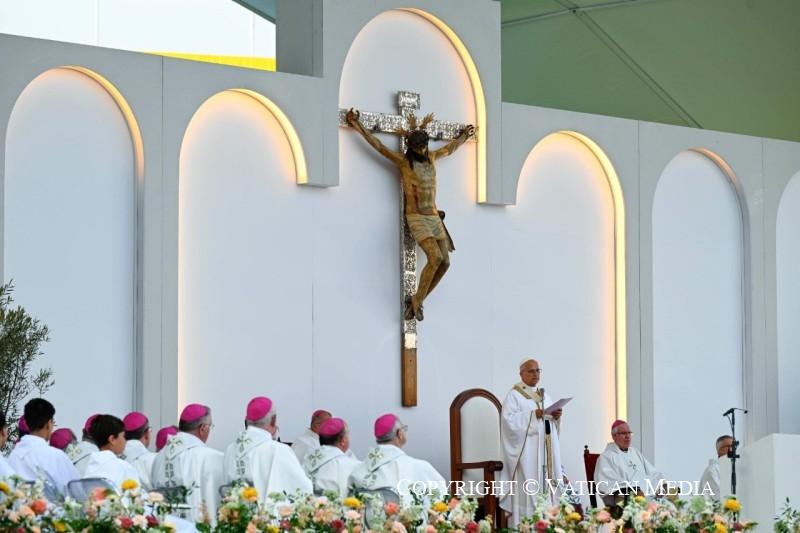
Newsroom (12/06/2026 Gaudium Press )In a solemn Mass at the Gran Canaria Stadium, Pope Leo delivered a deeply reflective homily centered on love, suffering, and humility, while paying tribute to migrants who have lost their lives attempting to reach Europe’s shores.
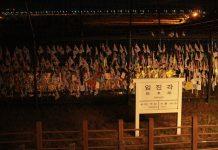
Addressing a gathering on the Spanish island—a key arrival point for migrants crossing from Africa—the pontiff framed the Eucharistic celebration as both thanksgiving and lament. He urged the faithful to entrust to God not only the “good that is done here each day,” but also “the sufferings that this land bears witness to,” including the deadly journeys undertaken across the sea.
“We pray together… for the brothers and sisters who have lost their lives at sea,” he said, placing the ongoing migration crisis at the heart of his message.
Love Rooted in Divine Charity
Drawing from biblical readings, Pope Leo emphasized that authentic love originates in God’s unconditional charity. Referencing the Israelites’ relationship with God, he highlighted a love not based on merit or privilege, but freely given and enduring—even in the face of human resistance.
This divine love, he explained, is not merely emotional or transactional. Instead, it defines human existence itself—“fire for the soul, light for the mind,” and a force that binds people together. He pointed to the Sacred Heart of Jesus as the ultimate expression of that love: steadfast, compassionate, and unwavering even amid suffering and rejection.
Invoking the words of his predecessors, the Pope echoed Pope Francis’ teaching that the greatest response to Christ’s love is love for others. “There is no greater gesture we can offer him,” he said, “than returning love for love,” especially through service to those most in need.
Migration and the Ethics of Compassion
The context of Gran Canaria lent particular resonance to the Pope’s call for active charity. The island, situated off Africa’s west coast, has become a frontline destination for migrants seeking safety and opportunity in Europe.
Pope Leo praised the local culture of “welcoming, sharing, and selfless giving,” but stressed that true charity must go beyond immediate aid. It should empower individuals to rebuild their lives with dignity and purpose.
“Our charity must not be mere assistance,” he said, urging a holistic approach that fosters integration—spiritually, intellectually, and physically—into the wider community. Only such a response, he added, can “sow seeds of hope” even amid hardship.
Quoting Pope Benedict XVI, he reinforced the idea that charity is the driving force behind authentic human development, both for individuals and society as a whole.
A Warning Against the ‘Restless I’
Central to the homily was a pointed critique of modern individualism. Reflecting on the humility of Christ, Pope Leo warned against what he described as the “clamor of a bombastic, omnipresent and restless ‘I’.”
Such self-centeredness, he argued, creates noise that drowns out the quiet “pulse of love” found in relationships with others and with God. It is particularly prevalent among those who consider themselves self-sufficient, needing neither divine guidance nor communal support.
“Often, wealth blinds us,” he noted, leading people to believe that happiness can be achieved independently. In contrast, Jesus calls believers to descend “from the pedestals of arrogance” and rediscover unity through humility.
Humility as the Path to Peace
The Pope concluded his reflection by linking humility directly to love and peace. Quoting Saint Augustine—“Where there is humility, there is charity”—he emphasized that only through a truthful understanding of oneself can genuine relationships flourish.
Humility, he suggested, allows people to love authentically, forgive sincerely, and build communities grounded in mutual respect. It is also the foundation of peace, both at the personal level and across nations.
As the Church entered the Solemnity of the Sacred Heart of Jesus, Pope Leo called on the faithful to embody Christ’s mercy and compassion in their daily lives. He urged them to recognize themselves as “the living presence of the Lord in the world,” committed to healing divisions and alleviating suffering.
A Vision for a Reconciled Humanity
Closing his address, the pontiff delivered a broader appeal for global reconciliation. Inspired by the charity of Christ’s heart, he encouraged believers to become agents of peace in a world marked by conflict and inequality.
“Let us be bearers of his mercy and his peace,” he said, expressing hope that such witness would contribute to an end to wars and the emergence of “a new humanity, reconciled in love.”
Against the backdrop of migration tragedies and social fractures, the message from Gran Canaria was clear: only through humility, solidarity, and selfless love can humanity chart a more just and compassionate future.
- Raju Hasmukh with files from Vatican News