




















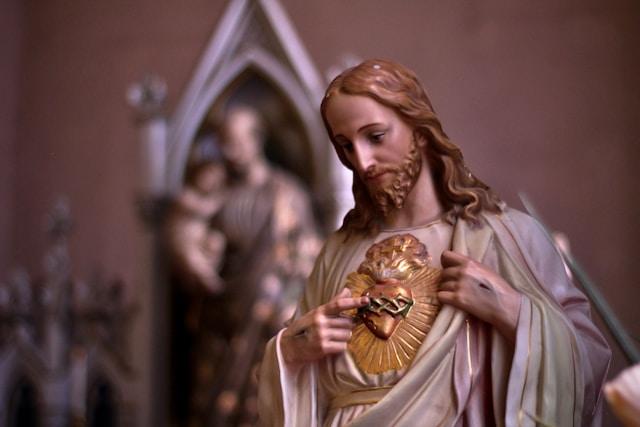
U.S. Catholic bishops consecrate the nation to the Sacred Heart in Orlando, blending history, repentance, and modern church policy debates.
Newsroom (12/06/2026 Gaudium Press ) The United States Conference of Catholic Bishops marked a historic moment Thursday in Orlando, convening for a solemn liturgy that consecrated the nation to the Sacred Heart of Jesus. The ceremony, held as part of their spring assembly, aligns with the country’s approaching 250th anniversary and draws on a centuries-old spiritual tradition rooted in Catholic devotion.
Inside the Basilica of the National Shrine of Mary, Queen of the Universe, the air reverberated with organ, brass, and choral music as rows of bishops in white vestments and purple skullcaps filled the sanctuary. The liturgy combined elements of celebration and reflection, intertwining patriotic themes with a candid acknowledgment of the nation’s moral shortcomings.
A Tradition Rooted in Sacred Heart Devotion
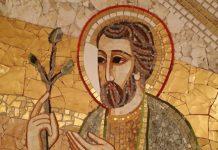
Central to the ceremony was the veneration of relics belonging to St. Mary Margaret Alacoque, the 17th-century French nun whose reported visions of Jesus helped inspire the modern devotion to the Sacred Heart. Her influence has endured for centuries, shaping Catholic spirituality around the image of Christ’s compassionate and suffering love.
For the first time in U.S. history, her relics were brought from France and displayed prominently before the service, offering worshippers a tangible connection to the origins of the devotion. Over time, the Sacred Heart has become a widely recognized symbol, appearing in countless churches, schools, homes, and businesses worldwide.
Though similar consecration ceremonies have taken place in other countries since the 19th century, this marks the first such event at a national scale in the United States. Historically, these acts have sometimes intersected with political movements, including Catholic nationalism in certain regions. In 1899, Pope Leo XIII extended the devotion globally by consecrating the entire world to the Sacred Heart.
Faith, Patriotism, and Reckoning
Thursday’s liturgy carried a distinctly American tone, referencing the Declaration of Independence and its assertion of “life, liberty and the pursuit of happiness.” Yet the service did not shy away from confronting historical injustices. Prayers acknowledged what were described as the nation’s “original sins of slavery and racism,” underscoring a tension between ideals and reality.
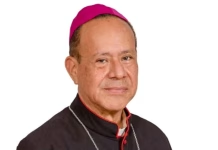
Archbishop Paul Coakley of Oklahoma City, president of the bishops’ conference, emphasized the dual nature of the occasion.
“To consecrate ourselves to the Sacred Heart is ultimately to accept Jesus’ invitation to remain in his love and to allow that love to shape every aspect of our lives, public and private,” Coakley said. “If we are honest, we must acknowledge that neither our nation nor the church has always reflected that love.”
The message echoed broader themes within the Catholic Church, particularly those advanced by Pope Francis. In preparatory sessions before the liturgy, bishops reflected on the pontiff’s final encyclical, which highlighted the Sacred Heart as a source of inspiration for justice and service.
Assembly Addresses Abuse Policy Revisions
The Orlando gathering also served as a venue for governance, with bishops voting on revisions to their policies addressing clergy sexual abuse. In a decision reflecting both continuity and cautious reform, the conference approved updates to the Charter for the Protection of Children and Young People by a vote of 176–22.
Originally adopted in 2002 amid widespread revelations of abuse and institutional cover-ups, the charter has been revised periodically over the past two decades. Its central provision—permanently removing from ministry any priest found guilty of abusing minors—remains unchanged.
The latest revisions, in development for five years, aim to refine procedural elements without weakening protections. Bishop Barry Knestout, who chaired the revision committee, described the effort as balancing two key priorities: maintaining strong safeguards for victims while ensuring fairness for accused clergy.
“One is to retain and also reemphasize the commitment of bishops to address the issue of potential for abuse, safeguarding of our children and young people in a way that’s both transparent and accountable,” Knestout said. At the same time, he added, the revisions seek to “recognize due process and presumption of innocence” during investigations.
Criticism from Advocates
Not all observers welcomed the changes. Advocacy group BishopAccountability.org criticized the vote as a “missed opportunity,” arguing that postponing the decision could have allowed for broader consultation and a more “trauma-informed” approach.
The group has called for close monitoring of how dioceses implement the revised policies, underscoring ongoing concerns about accountability within the Church.
A Moment of Convergence
The events in Orlando reflect a Church grappling simultaneously with its spiritual identity, historical legacy, and institutional responsibilities. The consecration to the Sacred Heart offered a symbolic gesture of unity and renewal, rooted in centuries of devotion yet framed by contemporary challenges.
As sunlight filtered through stained-glass windows and illuminated the gathered faithful, the ceremony bridged past and present—invoking tradition while confronting unresolved questions about justice, repentance, and leadership in modern America.
- Raju Hasmukh with files from Crux Now