













U.S. and Iran reach peace deal reopening Strait of Hormuz as Pakistan leads mediation, earning global praise amid regional tensions.
Newsroom (16/06/2026 Gaudium Press ) A breakthrough agreement between the United States and Iran has brought an end to months of escalating conflict, with both nations committing to a ceasefire and the reopening of the strategically vital Strait of Hormuz. While the full terms remain undisclosed, diplomatic efforts led by Pakistan have emerged as a defining feature of the accord, drawing international attention and commendation.
Pakistan’s Prime Minister Shehbaz Sharif confirmed the development, announcing that both parties have agreed to an “immediate and permanent termination of military operations on all fronts,” including in Lebanon. The conflict, which began on February 28 following a preemptive strike by the United States and Israel against Iran amid nuclear concerns, had steadily widened in scope, particularly after Hezbollah entered the fray in March.
The official signing of the agreement is scheduled for June 19 in Geneva, with Pakistan organizing the high-level meeting. Sharif underscored the significance of the moment, framing it as a diplomatic milestone not only for the involved parties but also for Pakistan’s role on the global stage.
Religious and civic leaders within Pakistan have echoed this sentiment. Bishop Samson Shukardin of the Diocese of Hyderabad praised the country’s diplomatic engagement, describing it as a source of growing respect in international circles. He noted that Pakistan is receiving “appreciation and goodwill from many countries” for its role in facilitating dialogue between Washington and Tehran.
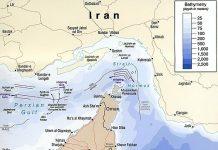
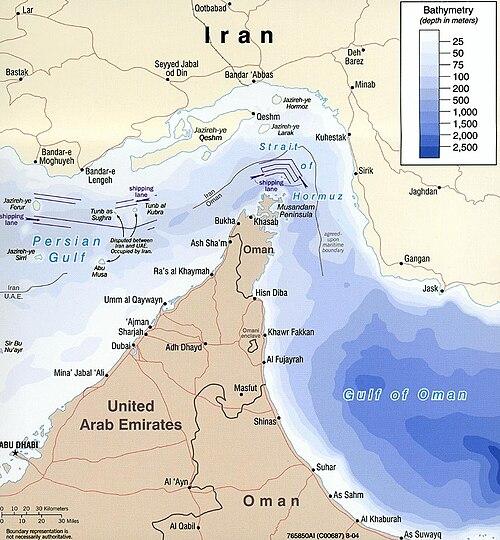
Although comprehensive details of the agreement have yet to be released, several key provisions have emerged. Among them is the reopening of the Strait of Hormuz within 30 days, a critical development for global energy markets given the waterway’s importance for oil transportation. Former U.S. President Donald Trump has indicated that the reopening may occur as early as the day of the signing ceremony, alongside the lifting of a naval blockade on Iranian ports. He also stated that the strait would be “permanently toll free,” suggesting an effort to stabilize maritime trade routes.
Reports from Iranian media suggest that the deal may also include the lifting of sanctions against Iran and a renewed commitment from Tehran not to pursue nuclear weapons development, addressing one of the core triggers of the conflict.
Despite the apparent diplomatic success, the agreement has revealed fractures among U.S. allies, most notably Israel. Israeli officials have openly criticized the terms, particularly the inclusion of Lebanon and the lack of consultation with Jerusalem during negotiations. Defense Minister Israel Katz has made clear that Israeli forces will remain in Lebanon indefinitely, maintaining “security zones” and continuing operations to dismantle what he described as “terrorist infrastructures.”
This position directly contradicts the ceasefire framework outlined in the agreement and highlights ongoing tensions within the region. Israeli leaders have expressed concerns that the deal does not adequately safeguard their national security. Finance Minister Bezalel Smotrich labeled the accord “bad for Israel and for the entire free world,” while National Security Minister Itamar Ben-Gvir rejected any obligation to adhere to its terms.
The discord extends to personal dynamics between key leaders. Donald Trump reportedly expressed frustration with Israeli Prime Minister Benjamin Netanyahu, particularly following Israeli airstrikes in Beirut that briefly delayed the agreement. In candid remarks, Trump described Netanyahu as “a very difficult guy” and criticized the timing of the strikes, stating he was “very angry” and questioning Netanyahu’s judgment.
These tensions underscore the fragile nature of the peace agreement and the challenges that lie ahead in its implementation. While the ceasefire marks a significant step toward de-escalation, divergent interests among regional actors threaten to complicate its durability.
For Pakistan, however, the agreement represents a notable diplomatic achievement. By facilitating dialogue between two long-standing adversaries, Islamabad has positioned itself as a credible mediator in international conflict resolution. As the world awaits the formal signing in Geneva, the focus will shift to whether the commitments made can translate into lasting stability in one of the world’s most volatile regions.
- Raju Hasmukh with files from Crux Now
Related Images: