









Latin Patriarch Pizzaballa hails Gaza ceasefire as ‘first step’ toward peace, laments West Bank woes, and calls for Gospel-rooted hope amid Holy Land’s scars.
Newsroom (06/10/2025, Gaudium Press ) In a pastoral letter released Saturday, Latin Patriarch Pierbattista Pizzaballa of Jerusalem addressed the faithful in his diocese with a message of cautious optimism over emerging signs of peace in Gaza, while decrying the ongoing “deterioration” in the West Bank and calling for a spiritual reckoning with the scars of two years of war.
Addressing “dear brothers and sisters” across the Latin Patriarchate, which spans Israel, the Palestinian territories, Jordan, and Cyprus, Pizzaballa opened with a traditional invocation: “May the Lord give you peace.” He acknowledged the war’s toll since October 2023, painting a stark picture of Gaza’s plight – “continued massacres of civilians, starvation, repeated displacement, limited access to hospitals and medical care, lack of hygiene” – and the plight of those held captive.
Yet, for the first time in the conflict’s grim timeline, Pizzaballa highlighted a “possible new positive development”: reports of Israeli hostages being freed, the release of Palestinian prisoners, and a halt to bombing campaigns. “This is an important and long-awaited first step,” he wrote, tempering enthusiasm with realism. “Nothing is entirely clear or definite yet; many questions remain unanswered.”
The patriarch expressed profound empathy for affected families, anticipating “the moment to rejoice” as relatives reunite. He extended that hope to Palestinian detainees and celebrated the potential end to hostilities, which he said could herald “a new beginning for everyone – not only Israelis and Palestinians, but also the whole world.” Still, he cautioned against complacency: The ceasefire marks merely “the first – necessary and indispensable – step on a treacherous path.”
Pizzaballa did not shy away from broader regional tensions, noting the West Bank’s escalating crises. “Our communities now face all kinds of problems daily, especially in small villages, which are increasingly surrounded and suffocated by settler attacks, without sufficient protection from the security authorities,” he stated. These realities, he added, permeate even routine decisions – from border access to road safety – fostering “disorientation and… feelings of distrust.”
Positioning the church as a beacon amid uncertainty, the patriarch rejected political punditry in favor of “a spiritual vision that will help us remain steadfast in the Gospel.” He decried the war’s disproportionate violence as a “scandal in God’s eyes,” one that has ravaged not just landscapes but “the human soul of many,” fueling “anger, resentment, distrust, hatred, and contempt.” Drawing on St. Paul’s “mystery of lawlessness” (2 Thessalonians 2:7), Pizzaballa warned against numbing to suffering, critiquing a world where “power, force, and violence have become the main criteria” for politics, culture, and even religion.
The letter also grappled with faith’s fragility in crisis: “Even for believers, living in faith during difficult times like these is not easy.” He lamented religion’s manipulation to justify atrocities and urged fixing “our eyes… on Jesus” (Hebrews 12:2) to confront evil’s enigma. As a community, Pizzaballa called for gathering “the many tears of these two years” – from lost loved ones and homes to shattered lives – rejecting a “narrative of clash and reckoning” in favor of Christ’s model of “love that becomes gift and forgiveness.”
“Our decision to remain, when everything urges us to leave, is not a challenge but an act of love,” he affirmed, framing the church’s denunciations as invitations to “dare a different path.” Even if active fighting subsides, he emphasized, “the conflict will continue” until root causes are tackled. Recovery will demand “significant time and energy” to rebuild trust and dispel hatred, but the empty tomb of Christ promises that “pain will not last forever.”
Echoing global calls for solidarity, Pizzaballa invoked the “cloud of witnesses” (Hebrews 12:1-2) – supporters worldwide sustaining the Holy Land’s church – and thanked them in prayer. In October’s Marian devotion, he prayed for hearts guarded against evil, for resilient communities, youth, families, clergy, and those aiding the needy. Special intercessions went to Gaza’s faithful, who “continue to courageously bear witness to the joy of life” amid devastation.
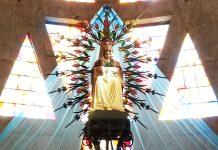
Pizzaballa aligned his message with Pope Leo XIV’s recent appeal for a global day of fasting and prayer for peace on October 11, inviting parishes and religious orders to organize rosaries, Eucharistic adoration, or liturgies. As the diocese nears the feast of its patroness, Our Lady Queen of Palestine, he renewed pleas for her intercession.
The letter, dated October 5 and disseminated via the patriarchate’s channels, arrives as international mediators report fragile progress in truce talks. Analysts note it as a rare pastoral voice blending geopolitical acuity with theological depth, underscoring the Holy Land church’s role as a moral anchor in a polarized region.
For the full text, visit the Latin Patriarchate’s official website.
- Raju Hasmukh with files from https://www.lpj.org/
Related Images: