


















Hong Kong arrests two booksellers over alleged sedition tied to Jimmy Lai biography, raising concerns over censorship and shrinking freedoms
Newsroom (25/06/2026 Gaudium Press ) Hong Kong authorities have arrested two individuals accused of selling publications deemed “seditious,” in a case that underscores the tightening grip of the city’s national security framework and raises fresh concerns over freedom of expression.
Police confirmed on June 25 that a 33-year-old woman and a 32-year-old man were detained on suspicion of displaying and selling materials with “seditious intent.” While officials did not formally identify the pair, local media outlets reported that they are proprietors of the independent bookstore Hunter. Reports also identified the woman as Leticia Wong, a former pro-democracy district councillor.
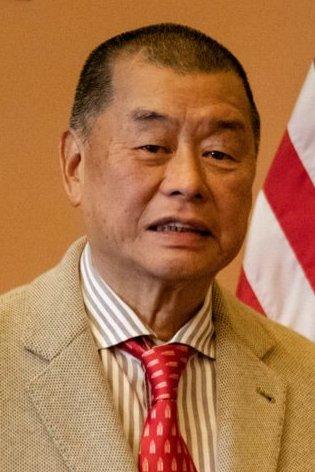
According to authorities, the suspects allegedly displayed and sold publications that included content “inciting hatred” against the Hong Kong government, judiciary, and law enforcement agencies. Among the items reportedly at the centre of the investigation was The Troublemaker, a biography of jailed media mogul and pro-democracy figure Jimmy Lai.
Police further alleged that the two individuals had received financial support from “foreign political organisations,” adding that officers seized a number of books and documents from both their bookstore and residence as part of the ongoing investigation.
Images published by local outlet The Collective showed officers removing lyrics from a Cantonese song displayed in the shop window. The song has been widely interpreted as a veiled reference to the large-scale and at times violent pro-democracy protests that swept Hong Kong in 2019.
The arrests were carried out under Hong Kong’s homegrown national security law enacted in 2024, which expanded the legal framework first introduced by Beijing in the aftermath of the 2019 unrest. Under the current laws, those found guilty of acting with “seditious intention” can face up to seven years in prison, while related financial offences such as money laundering carry sentences of up to 14 years.
The case is the latest in a series of actions targeting independent bookstores and the circulation of politically sensitive materials. In March of this year, authorities arrested four employees of another bookstore, Book Punch, for allegedly distributing seditious publications. That case also involved a biography of Jimmy Lai, who was sentenced earlier in the year to 20 years in prison on national security-related charges.
Critics argue that the arrests signal an erosion of Hong Kong’s long-standing reputation for openness and intellectual freedom. Elaine Pearson, Asia director at Human Rights Watch, described the situation as emblematic of the “absurdity” of the city’s national security regime. She argued that activities such as selling books or hosting discussions are increasingly being criminalised under broad interpretations of sedition.
“As Beijing tightens control over the city, what is lost is Hong Kong’s openness and diversity of thoughts and opinion,” Pearson said in a statement, warning that the evolving legal landscape risks suppressing legitimate expression.
Mark Clifford, author of The Troublemaker, also criticised the arrests, framing them as part of a broader pattern of censorship. Speaking to AFP, Clifford said the targeting of booksellers for carrying a biography sends a chilling message.
“When authorities target booksellers for carrying a biography, they’re sending a message that even peaceful ideas and documented facts are no longer safe,” he said. “A government that fears a book fears the truth.”
Authorities, however, maintain that such measures are necessary to safeguard national security and maintain public order. Hong Kong has seen a significant increase in enforcement actions since the introduction of national security legislation. As of early June, officials reported that 401 individuals had been arrested under various national security offences, with 182 convictions secured.
The arrests at Hunter bookstore highlight the increasingly fraught environment for independent publishers and retailers in the city, many of whom have already faced mounting pressures. Once known as a hub for free expression in Asia, Hong Kong’s publishing and bookselling sector has undergone a marked transformation in recent years.
For observers, the latest case illustrates the widening gap between official assurances of stability and growing concerns over civil liberties. With legal definitions of sedition remaining broad and enforcement intensifying, questions persist about the future of free speech in the global financial hub.
As investigations continue, the detained pair remain in custody, facing potential legal proceedings that could test the boundaries of Hong Kong’s national security laws — and further define the limits of permissible expression in the city.
- Raju Hasmukh with files from UCA News
Related Images: