
![Cardinal in a black cassock with red trim and red skullcap, seated in a leather chair with a microphone nearby.”] ,](https://www.gaudiumpress.ca/wp-content/uploads/2026/05/Cardinal-Muller--218x150.jpg "Cardinal Müller Urges Firm Response to SSPX and Questions Synodal Consistory Format")


























House of Commons advances Bill C-9 to committee stage after intense debate over repealing religious speech protections in the Criminal Code.
Newsroom (12/03/2026 Gaudium Press ) In a sharply divided 186–144 vote, the House of Commons on Wednesday voted to close debate on the controversial Bill C-9, the Combatting Hate Act, setting the stage for one of the most closely watched legislative moves of the current Parliament. The decision opens the door to potentially remove long-standing “good faith religious speech” protections under Section 319 of the Criminal Code, sparking alarm from church leaders and civil liberties groups who say the change could chill legitimate religious and educational expression.
All participating Liberal and Bloc Québécois MPs supported the government motion, while Conservatives, the NDP, and Green Party MP Elizabeth May voted against limiting debate. This procedural move ensures that when the Standing Committee on Justice and Human Rights reconvenes — scheduled for March 11 at 4:30 p.m. EST — members will be required to vote through all remaining amendments and subamendments without adjournment until clause-by-clause review is complete. The committee has studied the bill since September.
If that work concludes as planned, according to Government House Leader Stephen MacKinnon, the bill could reach the report stage as early as March 12, with third reading potentially the following day. That would allow the legislation to reach the Senate before Parliament’s March 16–20 recess.
Divisions Over Religious Speech Protections
At the heart of the controversy lies the proposed repeal of the good faith religious expression defence, which currently shields those discussing faith teachings from hate speech prosecution when acting without intent to promote hatred. Critics argue that removing this clause risks criminalizing faith leaders or educators engaged in legitimate discussions on moral issues.
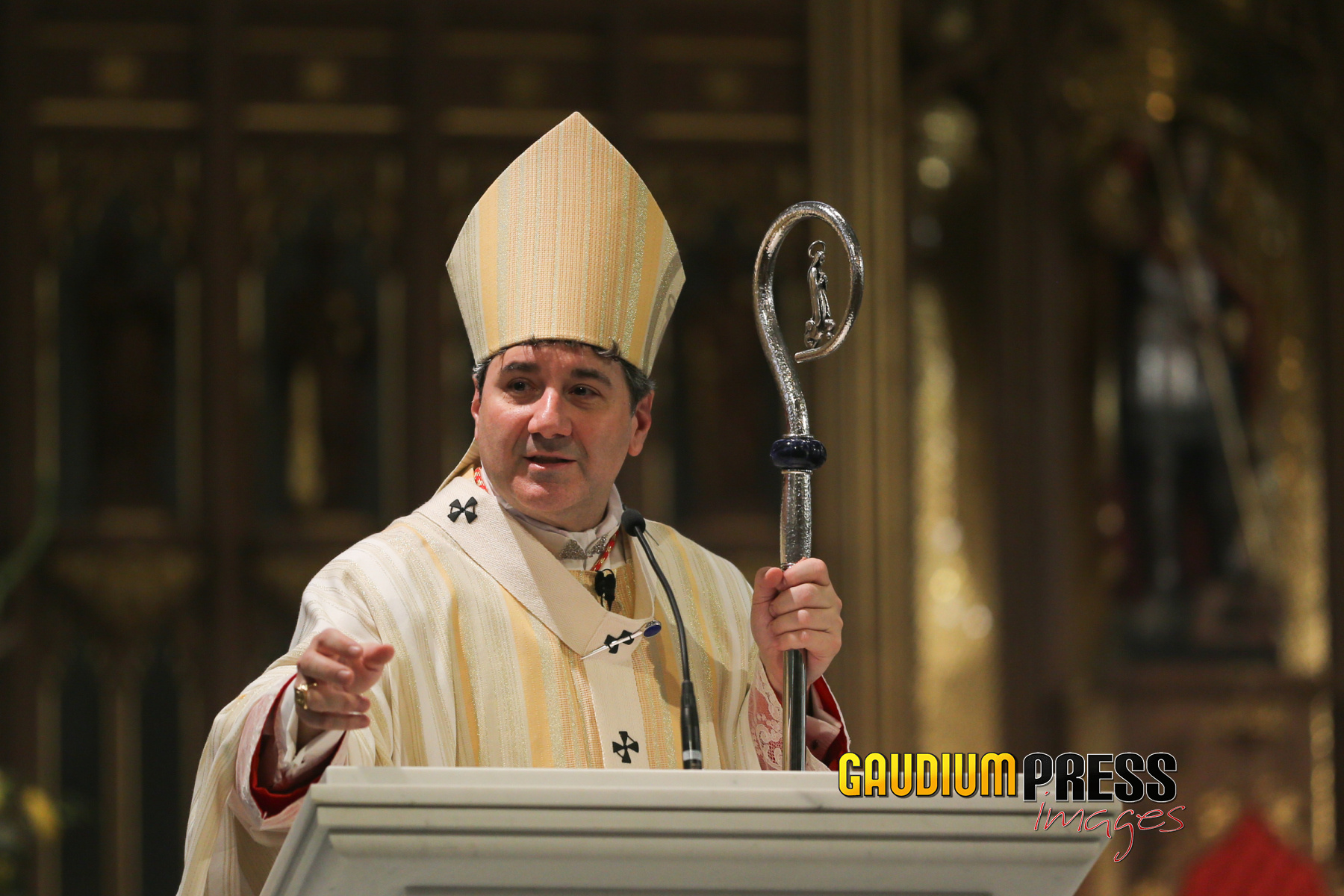
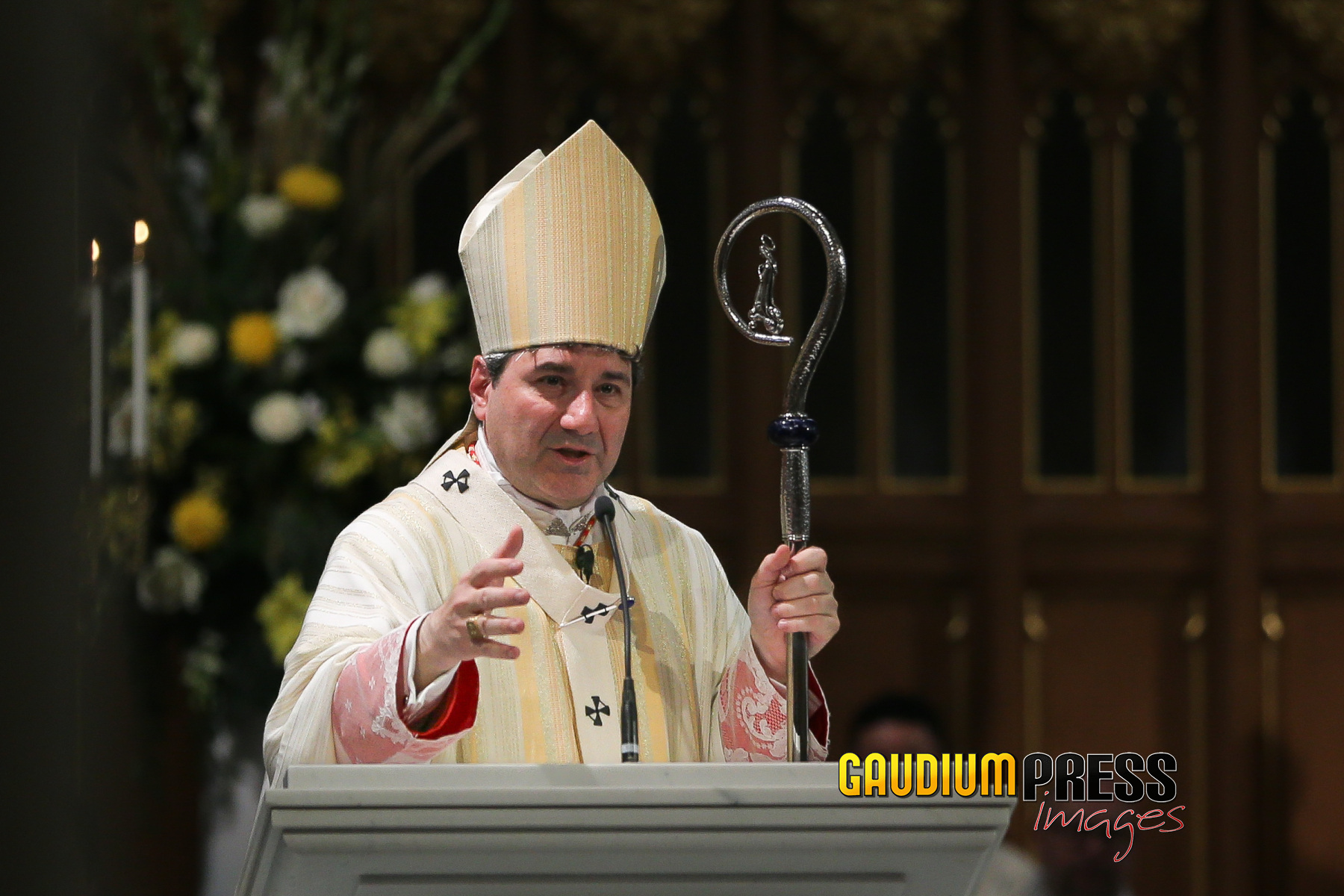
Among those voicing objections are the Canadian Conference of Catholic Bishops (CCCB), Toronto Cardinal Frank Leo, and the Catholic Civil Rights League (CCRL). Cardinal Leo warned that eliminating the protection would “create uncertainty for clergy, educators and all people of faith who seek to pass on the teachings of the Church with charity and integrity.”
The government insists Bill C-9 aims primarily to “criminalize intimidation and obstruction outside of establishments used by faith-based groups and ban certain terror or hate symbols in public.” Justice Minister and Attorney General Sean Fraser acknowledged unease about invoking time allocation but defended it as necessary, citing “obstruction and filibustering” by Conservatives.
Fraser said he has engaged with religious groups and expressed openness to address their “substantive objections” through wording changes. During a Feb. 23 committee meeting, Liberal MP Patricia Lattanzio introduced an amendment stating that discussions on public interest matters — including educational, religious, political, or scientific statements — would not constitute willful promotion of hatred if done without intent to do so.
Yet some legal experts maintain the language remains ambiguous. Phil Horgan of the CCRL and Derek Ross of the Christian Legal Fellowship told The Catholic Register that the amendment still fails to convey clear protection for good faith religious discussion. Horgan cautioned that the vagueness could expose pastors or other faith leaders to charges “if the Crown is of the view that a discussion of certain religious texts is not in the public interest.”
Growing Public Mobilization
Opposition to Bill C-9 continues to build outside Parliament. Advocacy group ARPA Canada has planned a rally on Parliament Hill on March 12 at 11:45 a.m. EST, calling for greater safeguards for freedom of expression and conscience.
As the government accelerates its timeline, the coming days promise to be decisive for the Combatting Hate Act. Whether the final text satisfies both civil liberties advocates and those demanding stronger hate speech protections will determine whether the Senate — and, ultimately, Canadians — find it acceptable.
- Raju Hasmukh with files from Catholic Register
Related Images: