








The excommunicated Poor Clares of Belorado leave their convent ahead of eviction, closing a two-year battle with the Archdiocese of Burgos.
Newsroom (12/03/2026 Gaudium Press ) The excommunicated Poor Clares of Belorado have vacated their convent in northern Spain just hours before police were due to evict them, bringing a tumultuous two-year conflict with the Archdiocese of Burgos to a dramatic close.
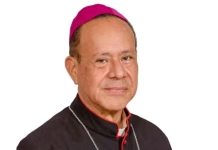
The saga began in May 2024 when ten nuns from the Belorado monastery signed a 70-page “Catholic Manifesto” rejecting the legitimacy of the post–Vatican II Catholic Church. Their public defiance prompted Archbishop Mario Iceta of Burgos to excommunicate them a month later after they refused to appear before a Church tribunal.
From that point, a canonical schism quickly spiraled into a sprawling legal and financial battle. The nuns sustained that they were the rightful owners of the 15th-century Monastery of St. Clare, while the archdiocese claimed ownership under Church law. Spanish courts sided with the archdiocese, ordering the nuns’ eviction in August 2025, a judgment later upheld through multiple appeals.
Scandal, Schism, and Arrest
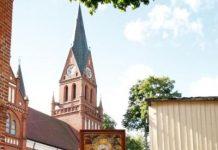
The sisters’ separation from the Catholic Church drew growing controversy as civil and ecclesiastical authorities investigated their finances. In November 2025, Spanish judicial police raided the convent under suspicion of misappropriating assets of historical heritage. The Monastery of St. Clare, part of the UNESCO-listed Camino Francés route to Santiago de Compostela, was legally protected—meaning any sale or transfer of its assets required government oversight.
During the search, investigators discovered a 17th-century statue of St. Anthony of Padua in a Madrid antiques store traced back to the monastery. Former abbess Laura García de Viedma—known as Sister Isabel—and another nun, Sister Paloma, were detained briefly pending investigation. Authorities also opened cases for alleged aggravated fraud and unpaid debts exceeding €50,000. Reports suggested that the sisters had spent monastery funds on luxury goods—including silk sheets, laptops, and even a fighting bull that later had to be sold—and sold more than €300,000 worth of gold bars.
Further allegations arose when Spain’s social security institute found that the community had continued collecting pension payments for a nun who died in April 2022, only halting in early 2024.
A Community Unraveling
By late 2025, the once-unified Belorado community had fractured. Five elderly sisters, aged between 86 and 100 and uninvolved in the schismatic declaration, were moved to another Poor Clares convent by Spanish authorities. One of them passed away in December. Two former members reconciled with the Church earlier this year after publicly retracting their signatures on the manifesto, rejoining the Catholic fold as laywomen.
Meanwhile, most of the excommunicated nuns relocated to the convent of Orduña, a property they acquired in 2020 but never fully paid for, sparking yet another legal dispute. Only three sisters reportedly remained in Belorado to finalize the move. Their spokesman, Francisco Canals, stated that some would now go to Derio temporarily while others head to a property near Toledo owned by one nun’s family.
In February, the group launched a fundraising campaign seeking new property and financial aid. Despite calls for support among sympathizers of their “traditional Catholic” stance, the campaign raised under $500.
Shadows of Faith and Future Uncertain
The women’s departure marks a symbolic end to one of Spain’s most unusual religious conflicts in recent decades—a schism rooted not only in theological dissent but also in property disputes, criminal allegations, and questions about authority in the modern Church.
The Archdiocese of Burgos maintains that reconciliation remains open for the women should they choose to “follow a path of conversion” like their former sisters. For now, though, the once cloistered nuns of Belorado find themselves scattered across Spain, their future as a breakaway religious community uncertain and their legacy clouded by controversy.
- Raju Hasmukh with files from The Pillar
Related Images: