







Archbishop Gallagher called for urgent international action to address the global persecution of Christians and to prioritize human dignity, peace, and justice.
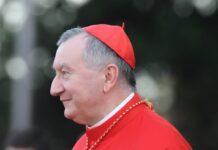
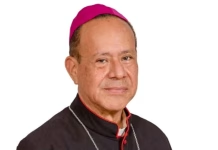
Newsroom (01/10/2025, Gaudium Press ) Archbishop Paul Richard Gallagher, the Holy See’s Secretary for Relations with States and International Organisations, delivered a powerful address at the United Nations General Assembly, calling for urgent international action to address the global persecution of Christians and outlining the Vatican’s stance on pressing geopolitical issues.
“Christians are the most persecuted group globally, yet the international community seems to be turning a blind eye to their plight,” Archbishop Gallagher declared, highlighting the escalating violence and discrimination faced by over 360 million Christians living in regions with high levels of persecution, according to data from Open Doors. He noted that attacks on churches, homes, and communities have intensified in recent years, with 59 countries imposing significant government restrictions on religious practices, particularly targeting Christian groups, as reported by Pew Research in 2022.
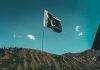
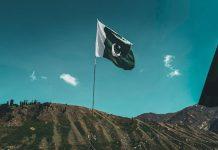
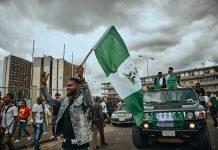
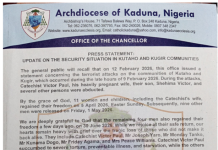
The Archbishop’s speech underscored the dire situation in countries such as North Korea, Somalia, Yemen, Libya, Sudan, Eritrea, Nigeria, Pakistan, Iran, and Afghanistan, identified by Open Doors as the most dangerous for Christians in 2025. “The persecution of religious minorities, particularly Christians, persists globally,” he said, urging world leaders to confront this crisis head-on.
Middle East: A Call for Peace and Humanitarian Action
Turning to the Middle East, Archbishop Gallagher reaffirmed the Holy See’s commitment to a two-state solution for lasting peace between Israel and Palestine. Echoing Pope Leo’s priorities, he called for the immediate release of hostages, a permanent ceasefire, the safe delivery of humanitarian aid, and strict adherence to international humanitarian law. “The obligation to protect civilians, as well as prohibitions against collective punishment, indiscriminate use of force, and forced displacement, must be fully respected,” he emphasized.
The Archbishop also addressed Syria, stressing the need to respect its “independence, sovereignty, and territorial integrity” amid ongoing instability.
Africa’s Complex Crises and Steps Toward Peace
In a detailed analysis of Africa’s geopolitics, Archbishop Gallagher spotlighted the Horn of Africa, particularly South Sudan and Sudan, as areas grappling with severe humanitarian and security challenges. He described the Democratic Republic of the Congo (DRC) as facing “one of the world’s most complex multidimensional crises,” marked by unstable security, acute malnutrition, and mass displacement. The Archbishop referenced a recent attack on a Catholic parish in the DRC, where 64 people were killed, as a stark example of the region’s violence.
Despite these challenges, he praised recent diplomatic efforts, including the June peace agreement between the DRC and Rwanda and the July peace treaty with the Rwanda-backed M23 rebel group. These accords, he noted, aim to end decades of conflict in eastern DRC, offering hope for stability.
Nuclear Weapons: A Moral Imperative
Marking the 80th anniversary of the atomic bomb’s use on Hiroshima and Nagasaki, Archbishop Gallagher condemned the recourse to such weapons as “always disproportionate and therefore immoral.” His remarks underscored the Holy See’s longstanding advocacy for nuclear disarmament and the ethical implications of modern warfare.
A Global Call to Action
Archbishop Gallagher’s address served as both a sobering reminder of the challenges facing vulnerable communities and a clarion call for collective action. By highlighting the persecution of Christians, ongoing conflicts, and the moral dimensions of global issues, he urged the international community to prioritize human dignity, peace, and justice in its deliberations.
- Raju Hasmukh with files from Catholic Herald
Related Images: