



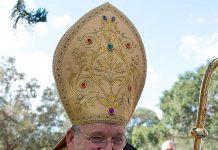
Pope Leo XIV’s private meeting with accused Peruvian Cardinal Cipriani revives abuse scandal, spotlighting Vatican accountability and conservative alliances in Peru.
Newsroom (06/10/2025, Gaudium Press ) Pope Leo XIV held a private meeting on Monday with Peruvian Cardinal Juan Luis Cipriani Thorne, an 81-year-old conservative figure whose involvement in pre-conclave discussions earlier this year ignited international outrage over longstanding allegations of sexual abuse.
The encounter comes nearly six months after Cipriani’s participation in the Catholic Church’s transitional rituals drew sharp criticism, highlighting tensions over accountability for clerical misconduct. The cardinal, a former archbishop of Lima, has faced accusations of abusing a minor in the confessional during the 1980s, charges that surfaced publicly in January in the Spanish newspaper El País.
According to the report, Pope Francis had imposed sanctions on Cipriani in 2019 following a 2018 complaint from the alleged victim, who was 16 or 17 at the time of the incident in 1983. The measures included restrictions on his ministry, barring him from wearing cardinal’s attire, limiting travel to Peru without permission, and excluding him from conclave participation. A prior complaint lodged with the Vatican in 2002 had yielded no action.
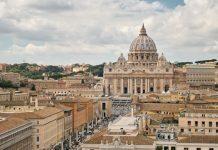
Despite these penalties, Cipriani flouted the restrictions repeatedly. He traveled to Lima in January to accept an award from Mayor Rafael López Aliaga, issued public statements denying the allegations and decrying the process as unjust, and demanded that Peruvian bishops retract confirmations of his limitations. He appeared in full cardinal regalia at Pope Francis’s lying-in-state on April 24, a Vespers service at the Basilica of St. Mary Major on April 27 — where the pontiff is buried — and reportedly at Francis’s funeral, moves decried by critics as disrespectful to the late pope who had sanctioned him.
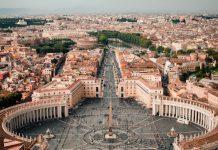
Cipriani’s defiance extended into the papal transition. He attended pre-conclave general congregation meetings in cardinal vestments, as well as Pope Leo XIV’s inaugural Mass with cardinals in the Sistine Chapel on May 9 and his installation Mass in St. Peter’s Square on May 18. Vatican spokesman Matteo Bruni later cited Universi Dominici Gregis, the apostolic constitution governing conclaves, which requires all cardinals without impediments — such as illness — to participate in preparatory sessions.
The cardinal’s presence at these events provoked discomfort among fellow participants, several of whom spoke anonymously to express unease. His accuser condemned the episodes as “revictimizing,” while survivor advocacy groups and Peruvian observers decried the optics, particularly given Cipriani’s enduring influence among Latin American Catholic conservatives.
A onetime powerhouse of the Church’s right wing, Cipriani led the Lima archdiocese from 1999 to 2019, forging alliances with political figures like López Aliaga, a frontrunner in Peru’s upcoming presidential race and a vocal supporter of the now-dissolved Sodalitium Christianae Vitae (SCV). The lay movement, once a bastion of conservative Catholicism, has been plagued by accusations of sexual abuse, psychological manipulation, and financial improprieties against its leaders.
The SCV’s shadow loomed large in September. López Aliaga, initially granted baciamano tickets for a front-row greeting and photo with Pope Leo at the September 17 general audience — alongside Cipriani’s brother, Javier — saw his access curtailed amid backlash. Sources familiar with the matter said the mayor had sought a private audience for the pair, but Vatican officials downgraded their tickets to reparto speciale seating on the main platform, without personal interaction. News of the planned encounter had sparked fury from abuse survivors, given López Aliaga’s SCV ties and his electoral ambitions. In the end, the mayor did not attend.
The episode underscored broader frustrations with Vatican opacity. Calls for the Dicastery for the Doctrine of the Faith to publish a formal penal precept against Cipriani have gone unheeded, leaving his canonical status in limbo. Media outlets linked to Cipriani and López Aliaga have sought to discredit the accuser, including by leaking his identity.
For Pope Leo XIV, a former missionary in Peru for more than two decades before his Vatican postings, the Cipriani saga is no abstraction. As Bishop Robert Prévost — Leo’s birth name — he helped probe the SCV’s abuses years ago. Whether Monday’s sit-down signals a resolution, further inquiry, or something else remains unclear, as the pontiff navigates a Church still reckoning with its past.
- Raju Hasmukh with files from Crux Now
Related Images: