














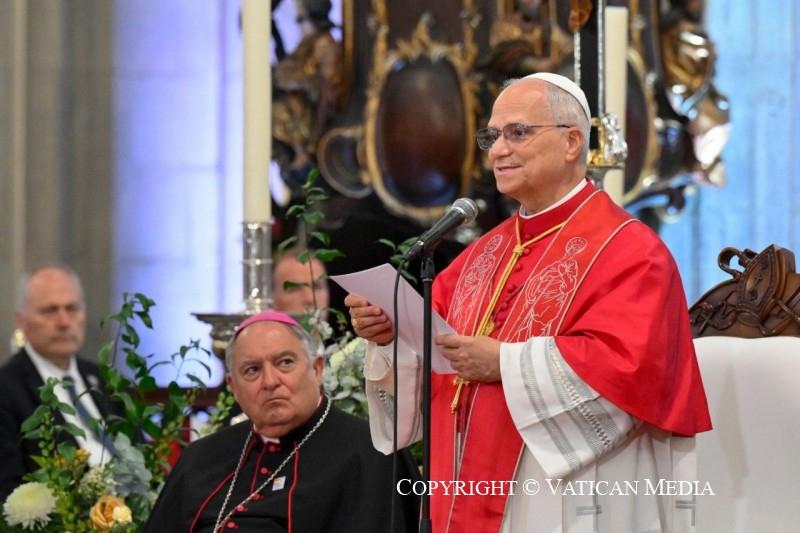
Pope Leo XIV urges Christians to prioritize the poor, condemn injustice, and rediscover solidarity in his 2026 World Day of the Poor message.
Newsroom (15/06/2026 Gaudium Press ) In a forceful and reflective message marking the upcoming 10th World Day of the Poor, Pope Leo XIV has called on Christians worldwide to rediscover the central importance of the poor in both faith and daily life. The observance is set for 15 November 2026, and the Pope’s message, dated June 13—the feast of St. Anthony of Padua—centers on the biblical theme: “The Lord is the refuge of the poor.”
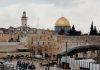
Drawing from Psalm 14, Pope Leo situates his reflection in a historical moment of profound suffering. The psalm emerged, he notes, during the destruction of the Temple in Jerusalem—a time when the people felt stripped of God’s presence and thrust into deep material and moral hardship. Yet, he underscores, its message remains strikingly relevant in the modern world.
A Timeless Contrast Between Wisdom and Arrogance
The Pope highlights a fundamental contrast within the psalm: that between those who live wisely and those who act as though they are self-sufficient. He warns that this attitude persists today in the form of “widespread social injustice arising from arrogant corruption.”
Such corruption, he writes, is both “deplorable” and discriminatory, producing systems that marginalize the most vulnerable. In contemporary societies, this dynamic is evident in the growing number of people pushed into poverty, often as a direct consequence of inequality and unchecked power.
The Silenced Cry of the Poor
Central to the Pope’s message is a stark warning: the voices of the poor are increasingly being silenced. He points to “a multitude of increasingly subtle tactics” that obscure or suppress their suffering, while also noting that digital environments can exacerbate prejudice and deepen indifference.
“The absence of God no longer places people side by side in mutual respect,” the Pope observes. Instead, it fosters relationships defined by domination and oppression. In this environment, the poor are left with little recourse but to turn to God, trusting in divine mercy and justice.
Yet, the Pope insists that this cry must not go unheard by humanity. He calls on Christians to remain attentive and responsive, rather than complicit in systems that ignore or obscure suffering.
Poverty Beyond Material Deprivation
Pope Leo expands the definition of poverty beyond economic hardship, emphasizing its human and social dimensions. “The poor of our day are the forgotten and the marginalised,” he writes, “robbed not only of bread, but also of a voice and a face.”
This loss of identity and dignity, he suggests, is one of the gravest injustices of modern society. The Church, therefore, has a duty to restore that dignity—not merely through charity, but through genuine encounter.
He expresses hope that those in need will encounter Christ through the actions of believers, describing the Church as a place where “Jesus offers bread and friendship,” brings hope, and restores each person’s sense of worth.
A Call to Active Solidarity
The Pope’s message moves beyond reflection to a clear call for action. Christians, he says, must not only seek refuge in God but become “a refuge for the poor.”
He criticizes the complacency of communities that remain inward-looking while ignoring those in need. “The Christian community cannot remain indifferent,” he writes, especially to those who stand at the door yet remain unseen.
This call for active solidarity echoes longstanding Catholic social teaching, which emphasizes the preferential option for the poor. Pope Leo reinforces this principle by citing his Apostolic Exhortation Dilexi te, reiterating that the Church must be rooted in the Beatitudes and walk alongside the vulnerable.
Examining Personal and Collective Priorities
Invoking Saint Augustine’s reflections on the parable of the rich man and Lazarus, the Pope challenges believers to examine their priorities. The story, which contrasts indulgence with neglect, serves as a moral lens through which modern Christians are invited to evaluate their own lives.
Pope Leo urges the faithful to move beyond abstract discussions of poverty, instead listening directly to those who experience it. “It is possible,” he writes, “to experience the same joy by putting ourselves in the shoes of the poor and listening to them rather than merely speaking about them.”
This emphasis on listening reflects a broader pastoral approach that values proximity, empathy, and shared humanity.
Renewing the Church’s Mission
As the Church prepares to mark the 10th World Day of the Poor, Pope Leo XIV expresses hope that the occasion will inspire renewed commitment. He calls for a rediscovery of “the faces of so many brothers and sisters who seek refuge in God and long to feel at home in our communities.”
Ultimately, his message frames the care of the poor not as an optional aspect of Christian life, but as its very heart. In a world marked by division and inequality, he presents solidarity with the marginalized as both a moral imperative and a path to spiritual renewal.
Through this appeal, Pope Leo challenges individuals and communities alike to confront indifference, dismantle injustice, and embody a faith that is lived through compassion and action.
- Raju Hasmukh with files form Vatican News
Related Images: