
















Cardinal Kurt Koch highlights ongoing global persecution of Christians, stressing unity in suffering and renewed commitment to support vulnerable communities.
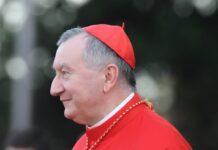
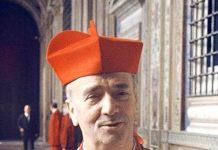
Newsroom (09/06/2026 Gaudium Press ) Persecution of Christians is not a relic of early Church history but a pressing and widespread reality in today’s world, according to Cardinal Kurt Koch, president of the pontifical foundation Aid to the Church in Need (ACN) International. Speaking at the annual pilgrimage for persecuted Christians held at the Benedictine Abbey of Einsiedeln in Switzerland, Koch underscored the enduring relevance of martyrdom within contemporary Christianity.
“Martyrdom truly belongs to the heart of Christianity,” the cardinal stated, emphasizing that the number of Christian martyrs today exceeds those of the Church’s earliest centuries. His remarks offered a sobering reflection on the scale and persistence of violence and discrimination faced by Christians across the globe.
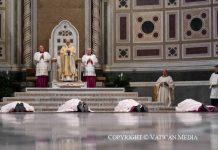
The pilgrimage, organized by ACN’s Swiss branch, serves as a platform for raising awareness and fostering solidarity with persecuted believers. It also reinforces the Church’s commitment to advocating for religious freedom and supporting communities in crisis.
An Ecumenism Forged in Suffering
Central to Koch’s message was the idea that persecution transcends denominational boundaries, creating a profound, shared experience among Christians of all traditions. In his homily, he highlighted that persecutors rarely distinguish between different branches of Christianity.
“Dictators do not distinguish between Catholics, Orthodox, Lutherans, Anglicans, or Protestants,” Koch said, echoing Pope Francis’s concept of the “ecumenism of blood.” This term reflects the belief that the shared suffering of Christians fosters unity that surpasses historical divisions.
“The blood shed unites Christians beyond their divisions,” Koch added, framing persecution as a paradoxical but powerful force for Christian unity. His remarks suggest that the lived witness of persecuted believers offers a compelling model of solidarity and faith that transcends theological differences.
A Mission Embraced with Commitment
In an interview conducted during the pilgrimage, Koch spoke about his recent appointment as president of ACN International, a role entrusted to him by Pope Leo XIV. Expressing both humility and enthusiasm, he said he accepted the mission “with great joy.”
“ACN has always been very close to my heart,” Koch explained, praising the foundation’s extensive work in supporting vulnerable Christian communities. He described ACN as an organization that “does immense good,” particularly by drawing attention to the hardships faced by ecclesial communities worldwide.
Under his leadership, ACN is expected to continue its dual approach of providing material assistance and spiritual support, combining humanitarian aid with prayer and pastoral care. Koch reaffirmed the foundation’s dedication to assisting those who are persecuted, discriminated against, or in urgent need.
Global Hotspots of Persecution
The pilgrimage also served as a moment of prayer and reflection for Christians suffering in regions marked by instability and violence. Special intentions were offered for communities in countries such as Iraq, Haiti, Pakistan, and Indonesia, where believers face a range of threats including discrimination, forced displacement, kidnapping, and targeted violence because of their faith.
These realities illustrate the diverse and complex challenges confronting Christians worldwide. In some regions, persecution is driven by political instability or extremist ideologies; in others, it manifests through systemic discrimination or social marginalization.
The inclusion of these countries in the pilgrimage’s prayers underscores the global scope of the issue and the need for sustained international attention and action.
Faith and Aid as Sources of Hope
Beyond prayer, the day’s program included a round table discussion examining the Church’s role in contexts of war, persecution, and humanitarian crises. Participants explored how faith, combined with concrete assistance and pastoral accompaniment, can provide resilience and hope for communities enduring hardship.
These discussions highlighted the importance of a multifaceted response to persecution—one that addresses immediate needs while also nurturing spiritual strength and communal solidarity.
Koch’s message ultimately points to a broader vision of the Church’s mission in the modern world: to stand in solidarity with the suffering, to advocate for justice and freedom, and to bear witness to unity through shared faith.
A Call to Awareness and Action
As global conflicts and tensions continue to affect religious communities, Koch’s remarks serve as a reminder that the plight of persecuted Christians remains an urgent concern. His emphasis on unity, compassion, and active support calls both individuals and institutions to greater awareness and responsibility.
The annual pilgrimage at Einsiedeln thus emerges not only as a spiritual gathering but also as a platform for advocacy, reflection, and renewed commitment to defending the dignity and rights of believers worldwide.
- Raju Hasmukh with files form Infocatholica
Related Images: