










At least ten Christians were killed on Palm Sunday in Jos, Nigeria, amid renewed sectarian violence and growing fears of further persecution.
Newsroom (30/03/2026 Gaudium Press ) The jubilant mood marking Palm Sunday turned into horror in central Nigeria as gunfire erupted across several Christian neighborhoods in Jos, Plateau State. By nightfall on March 29, at least ten people were confirmed dead in what local witnesses describe as a coordinated assault timed deliberately to coincide with one of Christianity’s holiest days.
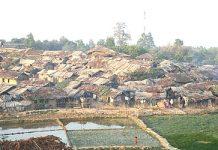
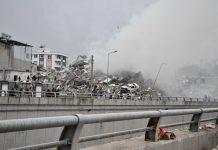
The attack unfolded in the districts of Angwa Rukuba and Eto Baba, areas heavily populated by students and young families. Witnesses reported armed men arriving on motorcycles, opening fire indiscriminately before retreating toward nearby hills. Houses and small shops were left smoldering as terrified residents fled indoors.
According to humanitarian volunteer Alex Barbir, who helped evacuate victims, “ten Christians were killed on Palm Sunday.” While that number has not been officially confirmed, multiple local sources corroborated the scale of the violence. Rescue workers struggled to navigate blocked roads and ongoing sporadic shooting late into the evening.
No armed group has yet claimed responsibility, but speculation quickly turned to the region’s familiar actors. Some residents accused Boko Haram insurgents of organizing the strike, while others pointed to Fulani militias that have carried out previous raids on Christian enclaves across Plateau State. Authorities are investigating both possibilities but have yet to issue an official statement.
A City Under Siege
Jos, long considered the heart of Nigeria’s middle belt, has become synonymous with violent flashpoints where religion, politics, and land rights collide. Sunday’s massacre is the latest in a grim sequence of attacks that have hollowed out entire communities and displaced thousands.
The echoes of last year’s Palm Sunday attack—which killed 54 worshippers in the same region—still linger. Survivors from those killings have since resettled in neighboring towns, many now mourning anew as violence revisits their doorstep.
Security forces remained on high alert Monday as authorities urged residents to stay indoors. Checkpoints were set up along major routes, and church leaders postponed Holy Week observances in solidarity with the victims.
“Where Is the Outrage?”
From Abuja, the Archbishop Ignatius Ayau Kaigama issued a passionate plea, calling for decisive international intervention. “We cannot continue counting bodies while the world watches in silence,” he said, urging the United States and former President Donald Trump to support Nigeria with intelligence sharing and arms assistance to combat Islamist militias.
While acknowledging Western awareness of Christian persecution, Kaigama expressed frustration that reactive policies and political calculations have, in his view, emboldened extremists. “Recognition means little without action,” he warned.
The archbishop also cautioned that without immediate steps to curb terror financing and rural militancy, Nigeria’s Christian population will continue to face kidnappings, forced displacement, and worsening atrocities. His appeal underscores a wider sentiment shared across the Plateau: fatigue, abandonment, and fear that faith itself has become a target.
A Holy Day in Mourning
Palm Sunday, commemorating Christ’s entrance into Jerusalem, traditionally heralds a week of hope and renewal. In Jos, it now bears the scars of yet another tragedy. Worshipers who survived the attack gathered quietly on Monday morning, laying palm fronds at the doors of burned-out homes in an impromptu memorial.
For the families of the dead, grief is entwined with disbelief that such violence could strike on sacred ground again. As smoke still rose from Angwa Rukuba, one question lingered over the city and beyond: why does the world remain silent when faith itself is under fire?
- Raju Hasmukh with files from Tribune Chretienne
Related Images: