















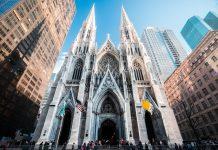












Notre-Dame restoration sparks controversy as stained-glass replacement is approved, opening a decisive two-month legal appeal window.
Newsroom (23/04/2026 Gaudium Press) The restoration of Notre-Dame Cathedral has reached a decisive and contentious milestone, as official authorization for the removal and replacement of stained-glass windows has now been granted and publicly posted near the site. Dated April 17, 2026, the administrative notice signals more than procedural progress—it opens a critical two-month appeal period that could determine the future direction of one of France’s most symbolic monuments.
The decision comes despite mounting resistance. Opposition has been unanimous from the National Heritage Commission, echoed by widespread public concern and reinforced by a petition that has gathered more than 250,000 signatures. Yet the authorization stands, advancing a project that now moves from debate into actionable phase.
At the heart of the plan is a series of complex interventions focused on six chapels along the south side of the nave. The work includes the removal of existing stained-glass windows, asbestos treatment, detailed restoration, and structural repairs to surrounding masonry and metal frameworks. Alongside these efforts, new contemporary stained-glass windows—designed by modern artists—are set to be installed in selected chapels.
The initiative is overseen by the public institution tasked with the cathedral’s conservation, working in coordination with chief architects of historical monuments. While officials emphasize a commitment to preservation—highlighted by plans to exhibit the restored original windows to the public—the inclusion of contemporary artistic elements has intensified an already heated debate.
For many heritage advocates, the issue extends far beyond technical restoration. The 19th-century stained-glass windows, closely associated with the vision of architect Viollet-le-Duc, are viewed as integral to the cathedral’s historical and aesthetic identity. Critics argue that their replacement risks undermining the unity and authenticity of the monument, raising broader concerns about how restoration should balance fidelity to the past with modern reinterpretation.
The newly opened two-month appeal period now represents a pivotal moment. Legal challenges can be filed with the administrative court, offering opponents a final opportunity to halt or modify the project before work begins in earnest.
In response, a range of civic and cultural initiatives has emerged. Advocacy campaigns have intensified, petitions continue to circulate, and financial support is being mobilized to fund legal actions and public awareness efforts. The debate has drawn in not only preservationists and art historians, but also members of the public who see Notre-Dame as more than a historic structure.
Indeed, the cathedral occupies a singular place in France’s cultural and spiritual landscape. It is a site of worship, memory, and national identity, where architectural decisions resonate far beyond aesthetics. Each intervention carries symbolic weight, shaping how future generations will encounter and understand this landmark.
The stained-glass project, now officially underway, crystallizes these tensions. It reflects an ongoing struggle between preservation and innovation, between safeguarding inherited heritage and embracing contemporary expression. As the appeal window unfolds, attention will turn to whether opposition efforts can alter the course of the project—or whether the current vision will proceed.
Nearly seven years after the devastating fire of 2019, every step in Notre-Dame’s reconstruction continues to command intense public scrutiny. What might once have been considered a technical detail has instead become one of the most sensitive and closely watched chapters in the cathedral’s restoration.
- Raju Hasmukh with files from Tribune Chretienne
Related Images: