





Lebanon faces a deepening displacement crisis as schools become shelters, families are uprooted and the Order of Malta warns of rising humanitarian needs.
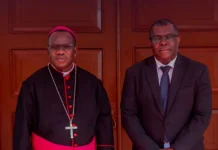
Newsroom (14/04/2026 Gaudium Press ) Lebanon is facing an acute humanitarian emergency in which displacement, insecurity and the collapse of basic services are converging, while schools are being pressed into service as emergency shelters and thousands of students risk losing their education. Oumayma Farah, Director of Communications and Development at the Lebanese Association of the Order of Malta, says the country is being dragged into a war “that is not ours” and warns that the social fabric is under severe strain
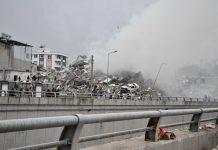
From Beirut, Farah describes a population that feels “trapped” by a conflict it did not choose, with many Lebanese fearing the country will be overwhelmed by violence and its regional repercussions. She says the trauma remains raw after the recent Israeli attack on 8 April, which she says left more than 2,000 people dead, destroyed homes and villages, and pushed more than 1.3 million people from their homes.
That scale of displacement has created a daily humanitarian struggle, especially in Beirut, the north and the Bekaa Valley, where displaced families are concentrated. The account points to a country where fear, uncertainty and exhaustion now shape ordinary life.
Shelters stretched thin
Farah says fewer than 150,000 displaced people are being housed in shelters, and that many of those shelters are public schools turned into reception centers. In some classrooms, 10 to 15 people sleep on the floor and eat in shared spaces, while shortages of bathrooms, toilets and heating are creating hygiene and health risks.
The situation is worsened by overcrowding, with some families staying in tents and others sharing cramped apartments with relatives or friends. She says the result is instability, shock and a constant sense that another alarm or raid could come without warning.
Education at risk
A major concern is the impact on children, because schools are no longer functioning normally and many are being used to house displaced families. Farah says this makes the learning environment unsafe and unhealthy, especially where classes continue on one floor while another floor shelters homeless families.
She warns that the disruption could prevent students from finishing the curriculum and sitting upcoming state exams. As a response, she says the Order of Malta is trying to support distance learning, while also providing psychosocial help to children and teachers who are themselves among the first victims of the war.
Order of Malta response
Farah says the Order of Malta’s mission is to serve everyone “without distinction of race, colour or religion, but focusing on needs and suffering”. She says the organization operates a network of 64 programs serving around 300,000 people in normal times, through health centers, mobile medical units, agro-humanitarian centers, mobile kitchens and reception centers for people with disabilities.
In Lebanon and across the region, the Order’s work includes health care, food aid, medicines, educational kits and emergency support, with activity also reported in Palestine, Gaza, Iraq and northern Syria. Farah says the priority now is to meet the needs of the displaced and to prevent the most vulnerable communities from being forgotten.
Tensions inside society
Farah also warns that the war is deepening internal divisions, with Hezbollah supporters and opponents pulling Lebanese society in different directions. She says many Lebanese oppose both Israel and Iran, and that the country’s Shiite community risks being stigmatized even though not all Shiites are linked to Hezbollah.
Her message is that the conflict should not become a war between ordinary people and that Lebanon’s fragile coexistence must be protected. In her view, the real emergency is not only military but social, because the country’s diversity is being tested by a conflict decided elsewhere
- Raju Hasmukh with files from Asianews.it
Related Images: